
Politics
धरना-प्रदर्शनों का नया कारोबार: लोकतंत्र की आड़ में आखिर किसके हित साधे जा रहे हैं?
October 10, 2026
1,612 views
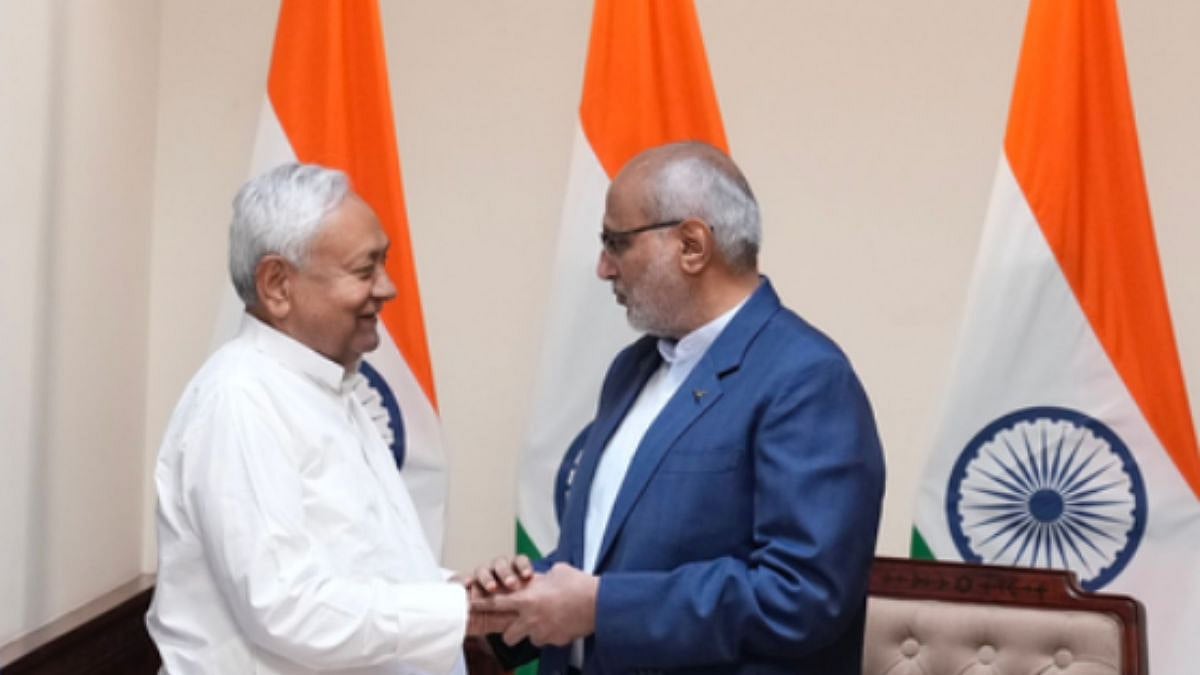
Nitish Kumar, a prominent figure in Indian politics and the Chief Minister of Bihar, has officially taken his oath as a member of the Rajya Sabha in New Delhi. This significant transition marks a pivotal moment in his extensive political career, which has spanned over several decades. Kumar, who has been a key player in Bihar's political landscape, has been elected unopposed to the upper house of Parliament, a testament to his influence and recognition within the political sphere.
With this move, Kumar has also announced his resignation from Bihar's Legislative Council. This decision comes after years of holding various positions within the state's political framework, including multiple terms as Chief Minister. His departure from the state leadership role not only signifies a personal transition but also heralds potential shifts in Bihar's governance and political dynamics.
Kumar's decision to step down as Chief Minister has sparked discussions about the future direction of Bihar's politics. His leadership has been characterized by a focus on development, social justice, and inclusive governance. However, as he takes on his new role in the Rajya Sabha, questions arise about who will step into the void he leaves behind and how this will affect the ruling coalition in Bihar.
Over the years, Nitish Kumar has been credited with significant reforms in Bihar, particularly in sectors such as education, infrastructure, and law and order. His tenure has been marked by efforts to improve the living standards of the citizens of Bihar and to restore the state's image, which had suffered due to political instability and governance issues in the past. As he transitions to the national stage, his experience and insights are expected to contribute to broader legislative discussions and policymaking at the national level.
Having served in all four legislative bodies of Bihar, Kumar's political journey is a reflection of his deep commitment to public service. His ability to navigate the complex political landscape of Bihar has earned him both respect and criticism. His tenure as Chief Minister has seen both highs and lows, but his resilience in the face of challenges has often been admired by his supporters.
As Kumar steps away from the Chief Ministerial position, the question on many minds is: who will succeed him? The ruling Janata Dal (United), or JD(U.), will need to rally behind a candidate who can maintain the party's influence in Bihar. Potential successors are already being discussed, with several party leaders in the mix. The challenge will be to find a leader who can continue the progress made under Kumar while also addressing the evolving needs of the electorate.
The new leadership will face numerous challenges, including economic recovery post-pandemic, addressing unemployment, and ensuring social harmony in a diverse state. Kumar's replacement will need to balance the expectations of various constituencies and maintain the coalition's stability in the face of opposition challenges.
As Kumar embarks on his new journey in the Rajya Sabha, he is likely to play a crucial role in shaping national policies and engaging in critical debates that affect not just Bihar but the entire nation. His experience in state governance will provide valuable insights as India navigates through complex issues like federalism, development, and social justice.
Kumar's presence in the Rajya Sabha is expected to influence discussions around regional development and the role of state governments in the national policy framework. His ability to advocate for Bihar's interests on a larger platform will be closely watched by both supporters and critics alike. The next few months will reveal how effectively he can leverage his experience to impact national policy debates.
Nitish Kumar's transition from Bihar's Chief Minister to a member of the Rajya Sabha represents a significant shift in both his political career and the political landscape of Bihar. As he embarks on this new chapter, the implications of his decision will resonate throughout the state and the nation. With new leadership on the horizon for Bihar, the focus will now be on how effectively the new Chief Minister can uphold the legacy of development and governance that Kumar has established.


Loading more news...
You've reached the end of our news feed. Check back later for more updates!