
Business
Invetech & MeMed win 2026 Good Design Award Gold for MeMed Key™
October 9, 2026
2,539 views
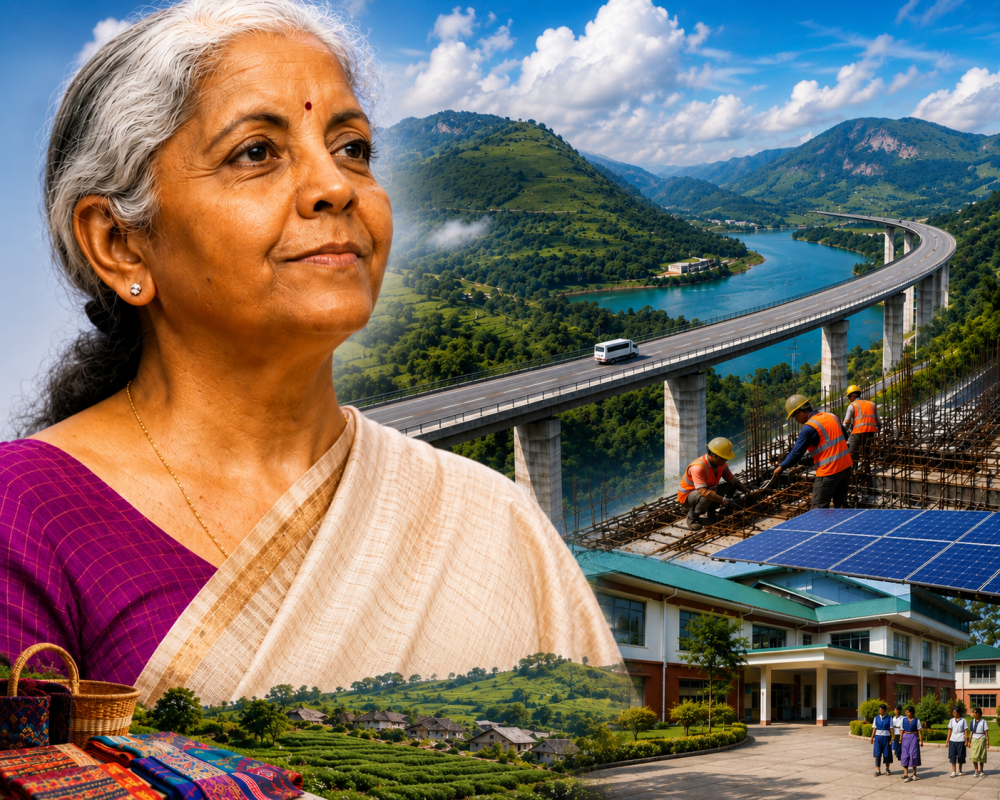
Union Finance Minister Nirmala Sitharaman recently emphasized the transformative role of the Northeast region in India's economic landscape. During the launch of new projects funded by the External Assistance Program (EAP) in Meghalaya, she stated that this region is no longer perceived as the periphery of India but instead stands as a crucial driver of national growth and development.
The statement by Sitharaman marks a significant shift in how the Northeast is viewed within the larger context of India's economy. Historically, this region faced challenges such as geographical isolation and limited infrastructure. However, the current government is committed to changing this narrative by investing in connectivity and development initiatives. The focus is now on how the Northeast can contribute to India's overall prosperity.
The launch of the EAP-funded projects in Meghalaya is a testament to the government's commitment to enhancing infrastructure in the Northeast. These projects are aimed at improving roads, transportation, and connectivity, which are essential for economic growth. Sitharaman highlighted that better infrastructure will not only facilitate trade and commerce but will also attract investments, creating job opportunities for the local population.
Connectivity is a vital component in realizing the region's potential. Sitharaman pointed out that with improved transportation networks, the Northeast can become a hub for trade, linking the markets of Southeast Asia with the rest of India. This strategic position can play a pivotal role in boosting economic activities and fostering regional cooperation.
In her address, the Finance Minister also touched upon the importance of sustainable development in the region. The government aims to ensure that development projects not only focus on economic growth but also respect the ecological balance of the Northeast, known for its rich biodiversity. Sustainable practices will be integrated into the planning and execution of these projects, ensuring that local communities benefit without compromising the environment.
One of the central themes of Sitharaman's speech was the empowerment of local communities. The government plans to involve local stakeholders in the decision-making process related to development projects. This approach is designed to ensure that the benefits of growth reach the grassroots level, improving livelihoods and enhancing the quality of life for residents in the region.
The Northeast is endowed with natural beauty and cultural diversity, making it a potential hotspot for tourism. Sitharaman remarked that with improved infrastructure and connectivity, the region could attract both domestic and international tourists. This not only increases revenue but also promotes cultural exchange and appreciation of the region's heritage.
As the Northeast becomes a focal point for development, it is also gaining global recognition. The region's strategic location and rich resources can serve as a gateway for international trade. The government is keen on positioning the Northeast as an important player in the global economy, enhancing India's standing on the world stage.
The message from Nirmala Sitharaman reflects a broader vision for the Northeast that transcends traditional limitations. With a renewed focus on infrastructure, connectivity, and sustainable development, the region is poised to emerge as a key contributor to India’s growth story. As projects funded by the EAP take shape, the people of the Northeast can look forward to new opportunities and a brighter future.


Loading more news...
You've reached the end of our news feed. Check back later for more updates!