Politics
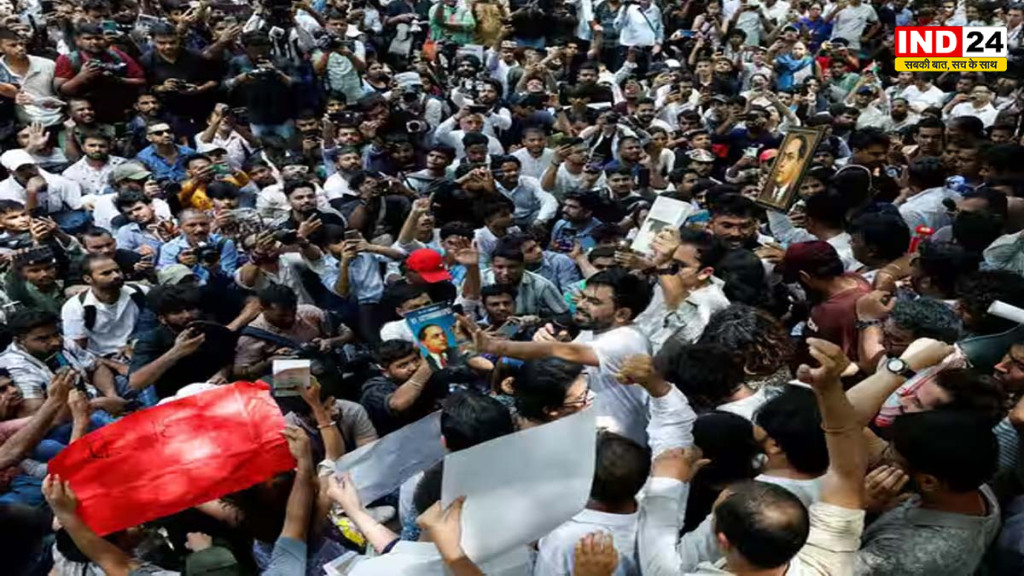
धरना-प्रदर्शनों का नया कारोबार: लोकतंत्र की आड़ में आखिर किसके हित साधे जा रहे हैं?
October 10, 2026
1,612 views

In recent years, Nigeria has been embroiled in a complex web of religious and ethnic tensions, with the Christian community, particularly in the Middle Belt and northern regions, facing unprecedented violence. A report by Antonio Graceffo in Gateway Pundit highlights the dire situation that these communities are enduring as they come under repeated attacks from Fulani extremists. In light of the federal government's failure to provide adequate security, these Christian communities are now advocating for constitutional reforms that would empower state-level police forces to ensure their safety and defend their rights.
The violence against Christian farming villages in Nigeria has escalated alarmingly in recent years. Attacks are often brutal and indiscriminate, targeting men, women, and children, leaving communities devastated and in fear for their lives. Reports indicate that thousands of Christians have been displaced, with many forced to flee their ancestral lands. The Fulani herdsmen, traditionally seen as nomadic cattle herders, have increasingly engaged in violent confrontations over land and resources, which have compounded the existing tensions between different ethnic and religious groups in the region.
The Christian communities in Nigeria’s Middle Belt argue that the federal security apparatus has consistently failed to protect them. In response, they are advocating for reforms that would allow for the establishment of state-level police forces. This change is seen as critical for local communities to take charge of their own security and to respond effectively to threats. Advocates argue that local policing would lead to a more responsive and accountable security force, better attuned to the unique challenges faced by these communities.
Proponents of local policing emphasize several important points. Firstly, they argue that local law enforcement would be more knowledgeable about the specific threats and dynamics within their communities, enabling them to respond more effectively to incidents of violence. Secondly, having a police force that is culturally and ethnically aligned with the community can foster trust and cooperation, which is often lacking in federally controlled forces. Lastly, they assert that state-level policing would provide a crucial deterrent to potential attackers, who might think twice if they know that their actions will be met with immediate local resistance.
The situation in Nigeria has not gone unnoticed by the international community. Human rights organizations and foreign governments have expressed growing concern over the persecution of Christians in Nigeria and the broader implications for religious freedom. Some have called on the Nigerian government to take immediate action to protect vulnerable communities and to address the root causes of the violence. However, critics argue that despite international pressure, the Nigerian government has been slow to implement meaningful reforms, leaving communities to fend for themselves.
As Nigerian Christians press forward in their legal battle for the right to self-defense, the outcomes of these efforts remain uncertain. The proposed reforms would require significant political will and public support, both of which are currently in question. However, the resilience of these communities, coupled with increasing awareness and advocacy from outside Nigeria, may pave the way for meaningful changes in the future.
The plight of Nigerian Christians is a stark reminder of the ongoing struggles for religious freedom and human rights in various parts of the world. As they fight for the legal right to defend themselves against violent extremism, their story underscores the urgent need for effective governance and protection of vulnerable populations. Whether through local policing reforms or international advocacy, the hope remains that these communities can find safety and peace in their homeland.
The situation in Nigeria highlights the critical intersection of religion, ethnicity, and governance in contemporary conflicts. The call for state-level police forces by Nigerian Christians is not just a plea for security; it is a demand for recognition, dignity, and the right to live without fear. As the world watches, the actions taken—or not taken—by the Nigerian government will have lasting implications for the future of religious freedom and coexistence in the region.


Loading more news...
You've reached the end of our news feed. Check back later for more updates!