
Politics
धरना-प्रदर्शनों का नया कारोबार: लोकतंत्र की आड़ में आखिर किसके हित साधे जा रहे हैं?
October 10, 2026
1,612 views
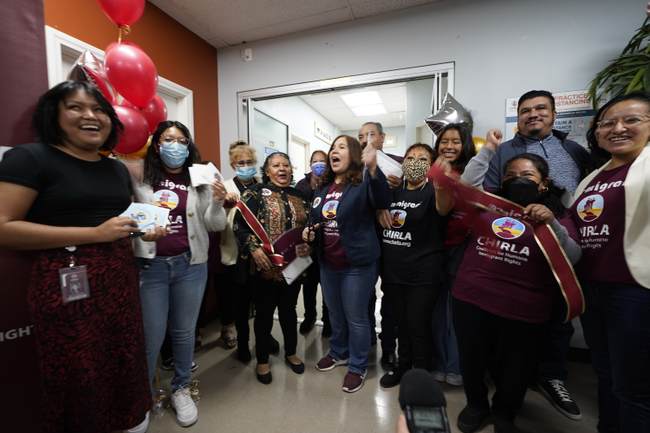
In a controversial move that has sparked a heated debate across California, Assembly Bill 2624, famously dubbed the “Stop Nick Shirley Act” by Republican Assemblyman Carl DeMaio, is making waves in the political landscape. This legislation, authored by Assemblywoman Mia Bonta, seeks to criminalize the act of posting any photographs of employees or volunteers associated with taxpayer-funded organizations that provide what are characterized as “immigration support services.” The implications of this bill have raised significant concerns regarding freedom of speech and the rights of investigative journalists.
The proposed legislation appears to have its roots in a broader movement against Immigration and Customs Enforcement (ICE) activities in California, which have been met with resistance from various NGOs and community organizations. These groups, often referred to as part of “Rapid Response Networks,” have been at the forefront of protests against ICE, particularly in urban areas like Los Angeles where tensions between immigrant communities and federal enforcement agencies have escalated in recent years. The Stop Nick Shirley Act is seen by critics as an effort to shield these organizations from public scrutiny and limit the ability of journalists to investigate their operations.
Journalists and First Amendment advocates have expressed alarm at the potential consequences of this legislation. By criminalizing the sharing of images of individuals involved in these taxpayer-funded organizations, the bill could effectively hinder investigative journalism aimed at uncovering abuses or mismanagement within these groups. Critics argue that it sets a dangerous precedent where transparency is sacrificed in favor of protecting certain organizations from accountability. Freedom of the press is a cornerstone of democracy, and any legislation that threatens this principle is met with serious scrutiny.
Reactions to the bill have been sharply divided along partisan lines. Supporters, primarily from the Democratic Party, argue that the measure is necessary to protect the identities of individuals who are often at risk due to their involvement in immigration support services. They claim that exposing these individuals can lead to harassment and intimidation, particularly in a climate where anti-immigrant sentiment has surged. However, critics, including Assemblyman DeMaio, have branded the bill as an attack on transparency and a means to obscure the activities of organizations that receive public funding.
The public reaction has been equally polarized. Advocacy groups supporting immigrant rights have rallied behind the bill, viewing it as a safeguard for those who assist vulnerable populations. Conversely, civil liberties organizations and watchdog groups have launched campaigns to defeat the legislation, emphasizing the importance of maintaining robust channels of accountability for organizations funded by taxpayer dollars. Activism on both sides is expected to intensify as the bill progresses through the legislative process.
As AB 2624 moves forward, it is crucial for constituents to remain informed about its implications and engage in the legislative process. Public hearings and discussions are anticipated in the coming months, where stakeholders will have the opportunity to voice their opinions. The outcome of this bill could have lasting effects not only on the landscape of immigration advocacy in California but also on the broader issues of transparency and accountability in government-funded services.
The Stop Nick Shirley Act presents a complex intersection of immigration policy, civil liberties, and journalistic integrity. As California continues to navigate the challenges of immigration reform and the role of NGOs in providing support services, the discussions surrounding this bill will undoubtedly continue to evolve. It is imperative for all Californians to stay engaged and informed, as the implications of this legislation could resonate far beyond the state’s borders, influencing national conversations about immigration and freedom of expression.


Loading more news...
You've reached the end of our news feed. Check back later for more updates!