
Health
Bhadohi News: 26 में से 25 आयुर्वेद अस्पतालों में मरीजों को भर्ती करने के लिए एक भी बेड नहीं
October 9, 2026
1,115 views
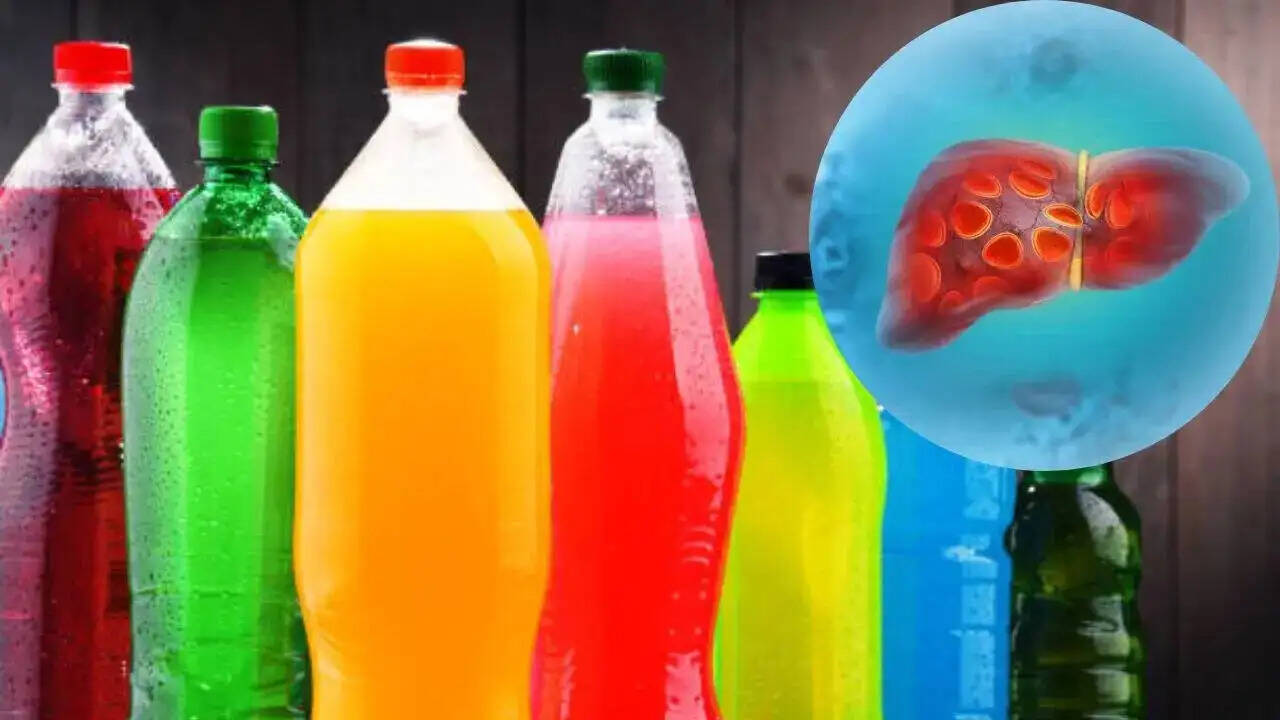
A recent study involving over 1.5 million adults indicates that regularly consuming sugar-sweetened beverages may elevate the risk of liver cancer. The research highlights the association between sugary drinks and two major liver cancer types, hepatocellular carcinoma and intrahepatic cholangiocarcinoma. While the study does not establish a direct cause-and-effect relationship, it suggests that excessive intake of fructose from these beverages could lead to liver damage and increase cancer risk. Experts recommend limiting sugary drinks and adopting healthier dietary habits to support liver health. This study adds to the growing body of evidence regarding the long-term health effects of sugary beverages.
The study, conducted by a team of researchers from various health institutions, analyzed data collected from health surveys that tracked the dietary habits and health outcomes of participants over several years. By focusing on a large demographic, the researchers aimed to gain a comprehensive understanding of how sugary drink consumption is linked to liver cancer incidences. The findings revealed that those who consumed sugary beverages consistently had a significantly higher risk of developing liver cancer compared to those who limited their intake.
While the correlation between sugary drinks and liver cancer is alarming, it is essential to understand the mechanisms at play. Sugar-sweetened beverages, particularly those high in fructose, can lead to a condition known as non-alcoholic fatty liver disease (NAFLD). NAFLD occurs when excess fat builds up in the liver, leading to inflammation and damage. Over time, this chronic inflammation can increase the risk of liver cancer. The study underscores the importance of recognizing sugary drinks not just as empty calories, but as potential culprits in serious health issues.
The two primary forms of liver cancer identified in the study, hepatocellular carcinoma and intrahepatic cholangiocarcinoma, are among the most common types of liver cancer worldwide. Hepatocellular carcinoma is often linked to chronic liver diseases and is the most prevalent form of liver cancer. Intrahepatic cholangiocarcinoma, on the other hand, originates from the bile ducts within the liver and is less common but equally lethal. Understanding the relationship between sugary drink consumption and these cancer types is critical for public health initiatives aimed at reducing liver cancer rates.
Fructose is a simple sugar found in many sweetened beverages and processed foods. When consumed in large amounts, it is metabolized in the liver, where it can contribute to the development of fatty liver disease. The study points out that the liver processes fructose differently than glucose, leading to increased fat production and the potential for liver damage. This metabolic pathway is particularly concerning when considering the high levels of fructose found in many commercially available soft drinks and fruit juices.
In light of these findings, health experts are urging individuals to reconsider their beverage choices. Limiting sugary drinks is a crucial step towards better liver health. Instead, experts recommend opting for water, herbal teas, or other low-sugar alternatives. Incorporating a balanced diet rich in fruits, vegetables, whole grains, and lean proteins can significantly contribute to overall health and reduce the risk of chronic diseases, including liver cancer.
This study serves as a wake-up call for public health advocates and policymakers. With rising rates of liver cancer globally, addressing dietary habits related to sugary drink consumption is essential. Initiatives to educate the public about the risks associated with sugary beverages, combined with policies to limit their availability in schools and public institutions, could play a significant role in reducing liver cancer incidences. Furthermore, health campaigns promoting healthier lifestyles can empower individuals to make informed dietary choices.
As research continues to unveil the detrimental effects of sugary drinks on health, it becomes increasingly clear that moderation is key. The link between sugar-sweetened beverages and liver cancer risk highlights the need for awareness and action. By prioritizing liver health and making conscious dietary choices, individuals can take proactive steps towards reducing their cancer risk and improving their overall well-being. This study not only adds to the existing literature but also emphasizes the importance of a holistic approach to health that includes mindful eating and lifestyle choices.


Loading more news...
You've reached the end of our news feed. Check back later for more updates!