
Business
‘Grief Burns Like Fever’: This novel is a flashback of depravity during the surreal pandemic years
October 10, 2026
3,447 views
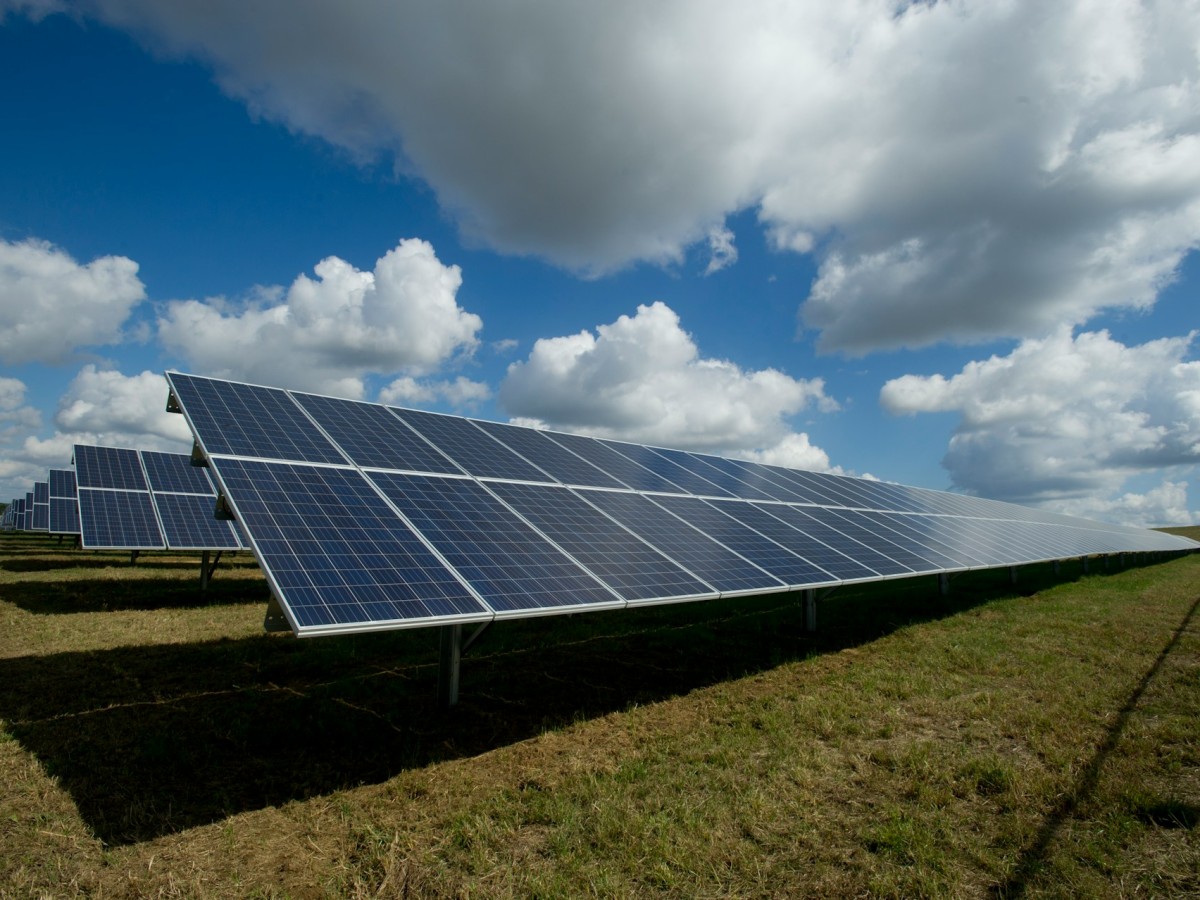
Solar power is far and away the cheapest form of new energy to install in nearly every context around the world. Even in the United States, where the cost of solar additions has jumped up 18 percent since Trump’s tariffs took hold, solar remains the most affordable option for energy capacity expansion. It stands to reason that solar is therefore the fastest growing form of energy in the world. However, as the solar sector has gone gangbusters, profitability has been squeezed thanks to an increasingly competitive market. Developing more advanced technologies has become crucial for manufacturers to thrive.
One of the key challenges facing solar panel manufacturers has been the efficiency of solar cells. Traditional silicon-based solar cells have a theoretical maximum efficiency limit known as the Shockley-Queisser limit, which is around 33.7%. Most commercially available panels operate at around 15-22% efficiency. This gap between theoretical and actual efficiency has long been a barrier to maximizing power output and, consequently, profitability.
Recent advancements in solar cell technology have introduced a new design that promises to enhance efficiency significantly. Researchers have been experimenting with various materials, including perovskites, which are known for their excellent light absorption properties and ease of manufacturing. The new design combines traditional silicon with perovskite layers, allowing for a multi-junction solar cell that can capture a broader spectrum of sunlight.
The most notable benefit of this innovative solar cell design is its increased efficiency. Preliminary tests show that these new cells can achieve efficiencies exceeding 30%, a figure that could revolutionize the solar industry. Higher efficiency means that less surface area is required to generate the same amount of power, which is particularly advantageous in urban environments where space is at a premium. Additionally, the reduced need for extensive land use for solar farms can help alleviate some of the environmental concerns associated with large-scale solar installations.
While the initial investment in advanced solar technologies can be higher, the long-term cost savings from increased efficiency and reduced land usage can make these new solar cells a more economical choice in the long run. The reduction in costs associated with installation and maintenance can further sweeten the deal for both consumers and investors. As manufacturers scale up production of these new cells, it is expected that prices will decrease, making advanced solar technology accessible to a broader audience.
The introduction of this new solar cell design represents a significant leap forward in the quest for sustainable energy solutions. As countries around the world continue to push for greener energy sources, advancements like these could play a crucial role in meeting global energy demands while reducing carbon footprints. Furthermore, the competitive nature of the solar market will likely drive further innovations, creating a cycle of improvement that benefits both the environment and the economy.
In summary, the new solar cell design is a promising development that addresses longstanding efficiency challenges within the solar industry. With the potential to significantly increase power output while minimizing land use and cost, this breakthrough could catalyze a new era of solar energy adoption. As manufacturers embrace these advanced technologies, the future looks bright for solar power, making it an even more viable solution for a sustainable energy future.


Loading more news...
You've reached the end of our news feed. Check back later for more updates!