
Politics
धरना-प्रदर्शनों का नया कारोबार: लोकतंत्र की आड़ में आखिर किसके हित साधे जा रहे हैं?
October 10, 2026
1,612 views
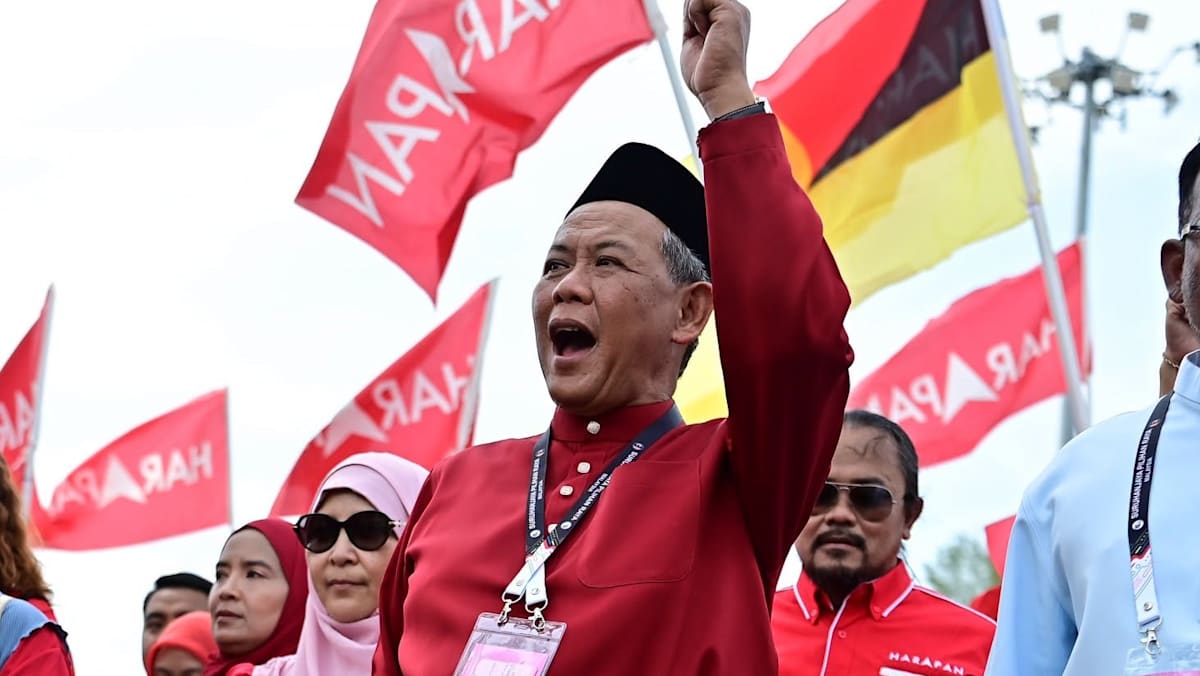
With the political landscape in Malaysia ever-evolving, the Negeri Sembilan state elections are set to commence as 103 candidates have officially been confirmed to contest in this significant event. The election campaign kicks off amid a backdrop of strategic alliances, with the Barisan Nasional (BN) and Perikatan Nasional (PN) parties announcing plans to support each other's candidates in a bid to consolidate their efforts against rival factions. This development marks a noteworthy shift in the usual political dynamics, where traditional rivalries appear to be overshadowed by the pursuit of collective electoral success.
The electoral battleground in Negeri Sembilan will consist of 36 constituencies, characterized by a diverse range of electoral contests. Voters will witness a total of 11 direct contests, where candidates from different parties will face off against each other without any third-party challengers. Additionally, there will be 21 three-cornered contests, making the competition more intense as candidates from various parties vie for the same voter base. The election will also feature two four-cornered contests and two five-cornered contests, which will undoubtedly complicate the strategies employed by the candidates.
This multi-faceted contest structure presents a unique challenge for the candidates as they navigate through alliances, voter sentiments, and campaign strategies. The presence of multiple candidates in several constituencies could potentially dilute voter support and lead to unpredictable outcomes. Political analysts are closely monitoring how these dynamics will play out, especially with the BN and PN parties collaborating in certain areas, which could alter the traditional voting patterns in the region.
The collaboration between Barisan Nasional and Perikatan Nasional is a significant strategic maneuver aimed at maximizing electoral gains. Historically, these two parties have been seen as political rivals, but the decision to campaign for each other indicates a pragmatic approach to ensure that they do not split the vote against a common opponent. This partnership is expected to enhance their visibility and appeal among voters, as they present a united front in addressing the key issues affecting the constituents.
As the campaign unfolds, voter engagement will be a critical factor determining the success of the candidates. Both BN and PN are likely to leverage their combined resources to appeal to the electorate, focusing on issues that resonate with the local population. Key topics such as economic development, infrastructure improvements, and social welfare are expected to dominate the campaign rhetoric. Candidates will need to communicate their visions clearly and compellingly to sway undecided voters and solidify their support base.
In the lead-up to the elections, several pivotal issues are expected to come to the forefront. Economic recovery post-COVID-19 remains a pressing concern, with voters keen on understanding how candidates plan to stimulate growth and create job opportunities. Furthermore, the management of public services, education, and healthcare are also likely to be hot-button topics during the campaign. Candidates must articulate their positions effectively and provide actionable solutions to these challenges if they wish to earn the trust of the electorate.
Polling data and public sentiment analysis will play a crucial role in shaping campaign strategies. Understanding the priorities and concerns of the voters will allow candidates to tailor their messages accordingly. Engaging with constituents through town hall meetings, social media platforms, and grassroots initiatives will be essential for candidates to gauge the pulse of the electorate and adjust their campaigns in real-time.
As the election campaign progresses, the atmosphere in Negeri Sembilan is likely to become increasingly charged. With the confirmation of 103 candidates and the strategic collaboration between BN and PN, the stakes have never been higher. The upcoming weeks will be critical, as candidates ramp up their efforts to connect with voters and solidify their positions in the race.
Political analysts and observers are keenly watching how these developments will impact voter turnout and preferences. The election campaign is not just a contest of political ideologies but also a reflection of the changing landscape of Malaysian politics. As Election Day approaches, the anticipation continues to build, with many eagerly awaiting the outcomes of this pivotal election in Negeri Sembilan.
In conclusion, the Negeri Sembilan elections promise to be a fascinating event, marked by strategic alliances and a diverse array of candidates. As the campaigns unfold, it will be essential for all parties involved to adapt to the evolving political climate and engage meaningfully with the electorate to secure victory on the ballot.


Loading more news...
You've reached the end of our news feed. Check back later for more updates!