Politics
धरना-प्रदर्शनों का नया कारोबार: लोकतंत्र की आड़ में आखिर किसके हित साधे जा रहे हैं?
October 10, 2026
1,612 views

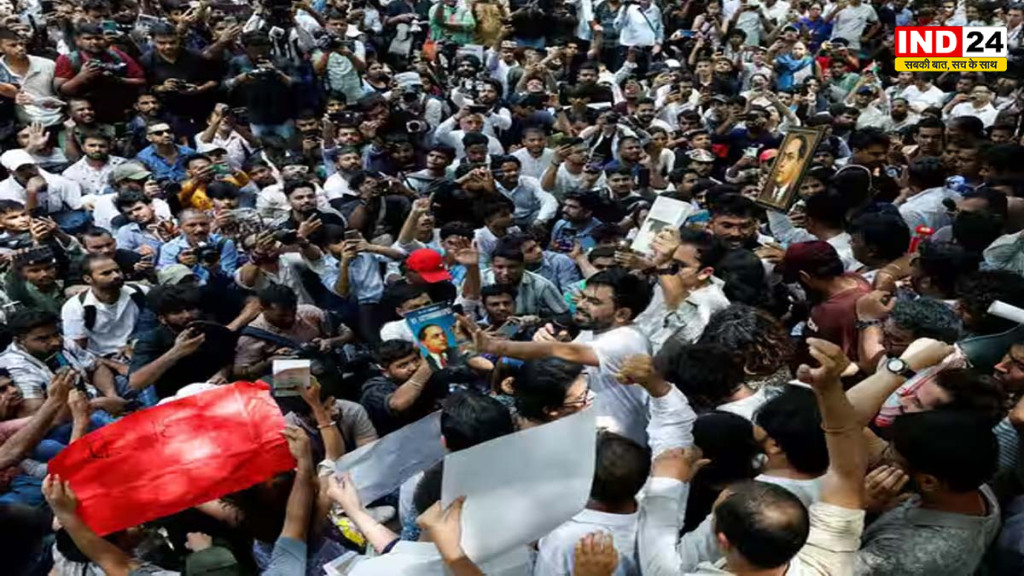
In a significant move amid ongoing protests surrounding the National Eligibility cum Entrance Test (NEET), the Delhi Police has issued a directive mandating that all officers deployed at Jantar Mantar wear their official uniforms. This decision comes as a response to the rising tensions and public scrutiny related to the NEET examination, which has been a contentious topic among students and parents alike.
The NEET examination has been a focal point of frustration for many students across the country. Allegations of unfair practices, discrepancies in question papers, and the pressure of high-stakes testing have fueled widespread protests. Various student organizations, particularly those representing the interests of aspiring medical students, have taken to the streets to voice their concerns. The protests have not only gained traction in Delhi but have also spread to other major cities, creating a wave of unrest.
One of the primary reasons behind the Delhi Police's decision to enforce uniformity among officers at Jantar Mantar is to ensure professionalism and order during the protests. By wearing uniforms, officers can be easily identified by the public, which helps to build trust and maintain a sense of security among demonstrators and onlookers alike.
Moreover, the presence of uniformed officers can deter potential violence and misconduct. It sends a message that the police are prepared to handle any situation that might arise, fostering a safer environment for both protesters and law enforcement. This measure is particularly important given the unpredictable nature of large gatherings, where emotions can run high, and tensions can escalate quickly.
The implementation of this uniform directive is likely to influence the dynamics of the protests at Jantar Mantar. With officers visibly present and identifiable, there is a possibility of increased dialogue and communication between police and protesters. This could facilitate a more peaceful interaction, allowing grievances to be aired without the fear of violent confrontations.
On the other hand, the visibility of uniformed police may also heighten the sense of surveillance among protesters, potentially leading to a more charged atmosphere. Activists argue that the presence of police in uniforms can act as a double-edged sword, as it may deter some individuals from participating in the protests due to fear of retribution or arrest.


Loading more news...
You've reached the end of our news feed. Check back later for more updates!