Politics
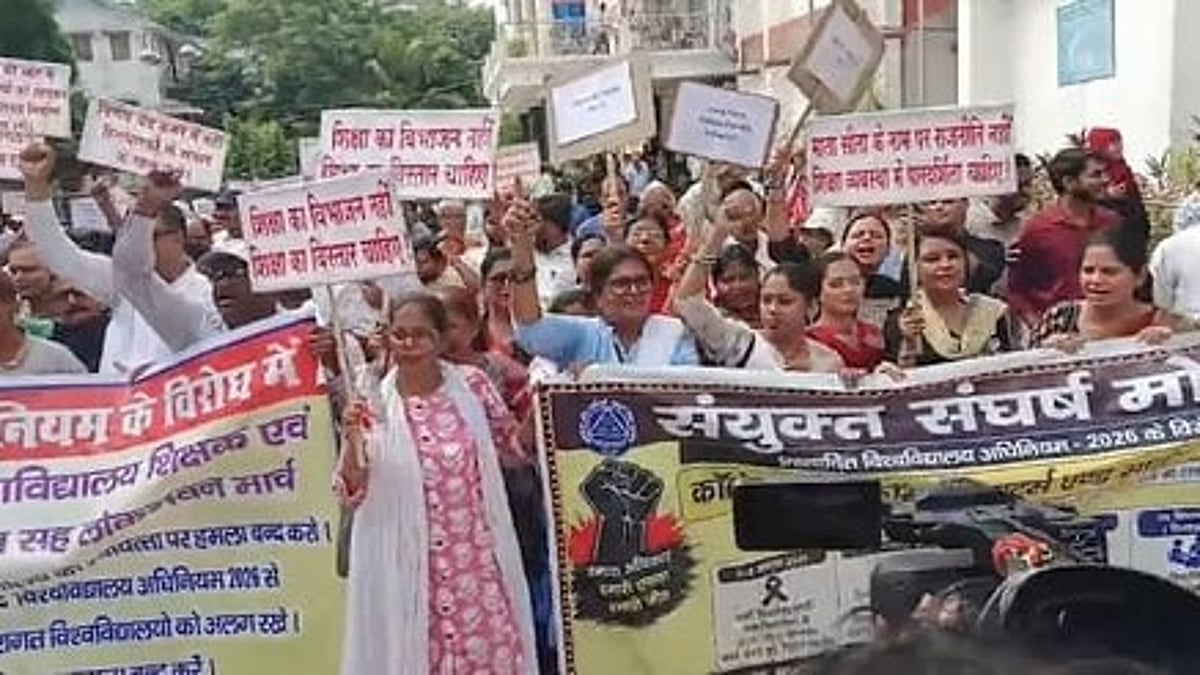
Bihar: Over 50 held in protest against Mata Sita women’s university
October 10, 2026
1,707 views
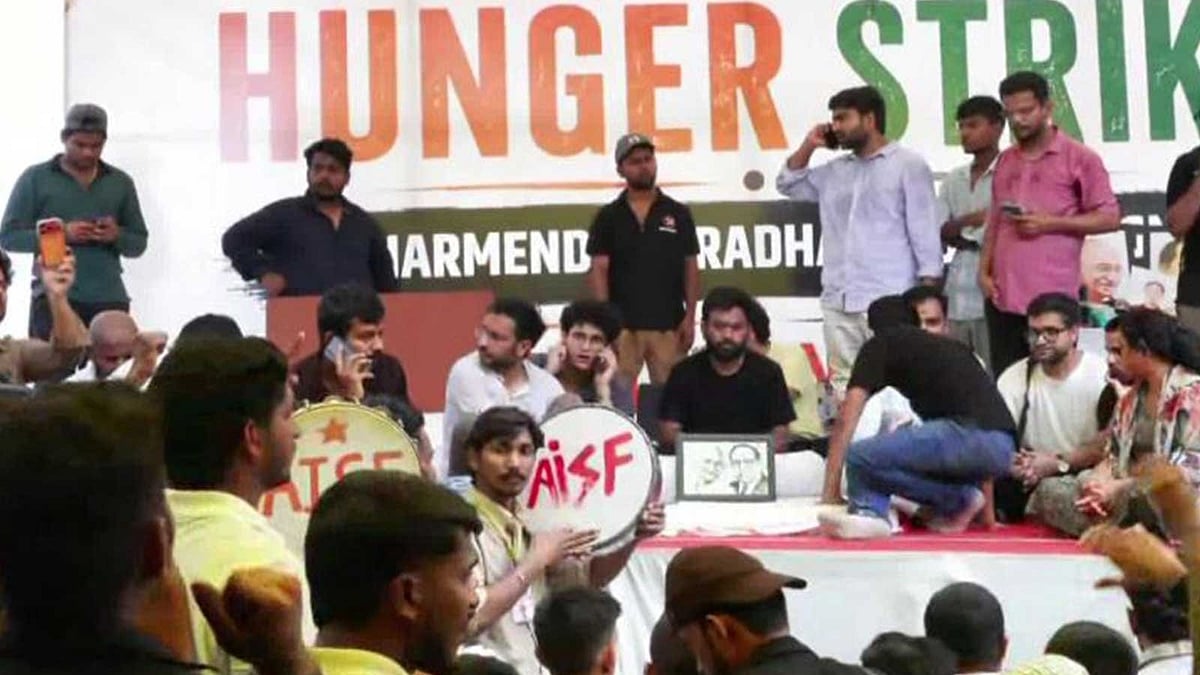
In a poignant display of grief and anger, the father of Abhijeet Dipke, a student deeply affected by the recent NEET (National Eligibility cum Entrance Test) protests, has called on the government to listen to the concerns of the students. The protests have erupted across various states, with students voicing their frustration over the examination policies and the perceived lack of empathy from the authorities. "How can the government be so merciless towards students? They are Indians, not Pakistanis," lamented the father, who is also the founder of the Citizen's Justice Party (CJP).
The NEET exams have long been a contentious issue in India, with students often expressing dissatisfaction over the format and the pressures associated with it. As a standardized entrance test for medical colleges across the country, NEET has become a defining moment for students aspiring to enter the medical field. However, the examination process has been criticized for its rigidity and the immense stress it places on students. The protests have gained momentum, fueled by the tragic events that have transpired as a result of the intense competition and the high stakes associated with the exam.
Abhijeet Dipke's father, in his heartfelt address during a recent protest rally, highlighted the emotional toll that these examinations have on families. He underscored the urgent need for the government to step in and make necessary changes to the NEET examination process. "Every year, thousands of students prepare tirelessly for this exam, only to be met with heartbreak and disappointment. The government must take responsibility for their mental health and well-being," he stated, his voice filled with emotion.
The primary demands of the protesting students include a review of the NEET syllabus, the introduction of a more flexible examination format, and better support systems for students. They argue that the current system is outdated and does not cater to the diverse learning styles and needs of students across the country. The protests have seen students from all walks of life come together, unified by a common goal: to reform the medical entrance examination process for the better.
The protests have also highlighted the unity among students from various backgrounds. Many have shared their personal stories of struggle and perseverance, fostering a sense of community that transcends regional and cultural divides. “We are not just fighting for ourselves; we are fighting for future generations,” remarked a student leader during the rally. This sentiment resonates deeply with many, as they recognize the systemic issues that have long plagued the education sector in India.
In response to the escalating protests, government officials have expressed their willingness to engage with student representatives to discuss their concerns. However, many students remain skeptical of these promises, citing past experiences where their voices were ignored. The lack of concrete action from the government has only fueled their resolve to continue protesting until their demands are met.
Experts in the field of education have also weighed in on the situation, suggesting that a comprehensive overhaul of the NEET examination process may be necessary. Potential solutions include a shift towards a more holistic assessment model that evaluates students on their overall capabilities, rather than solely relying on a single examination. Additionally, the introduction of counseling services and mental health support for students preparing for NEET could help alleviate some of the stress associated with the exam.
The NEET protests, sparked by the tragic events surrounding Abhijeet Dipke, have brought to light the urgent need for reform in India's medical entrance examination system. As students continue to rally for their rights, the hope remains that the government will heed their calls and implement meaningful changes. The emotional appeal from parents like Abhijeet’s father serves as a powerful reminder of the human cost of educational policies and the necessity for compassion in governance. Only by addressing these issues can the government ensure a brighter future for the aspiring medical professionals of India.
As the situation unfolds, it is crucial for all stakeholders, including parents, educators, and policymakers, to engage in constructive dialogue aimed at reforming the NEET process. The future of countless students rests on the decisions made today, and it is imperative that their voices are not only heard but acted upon. Together, we can strive for an educational system that prioritizes the well-being of students and nurtures their potential.


Loading more news...
You've reached the end of our news feed. Check back later for more updates!