Politics
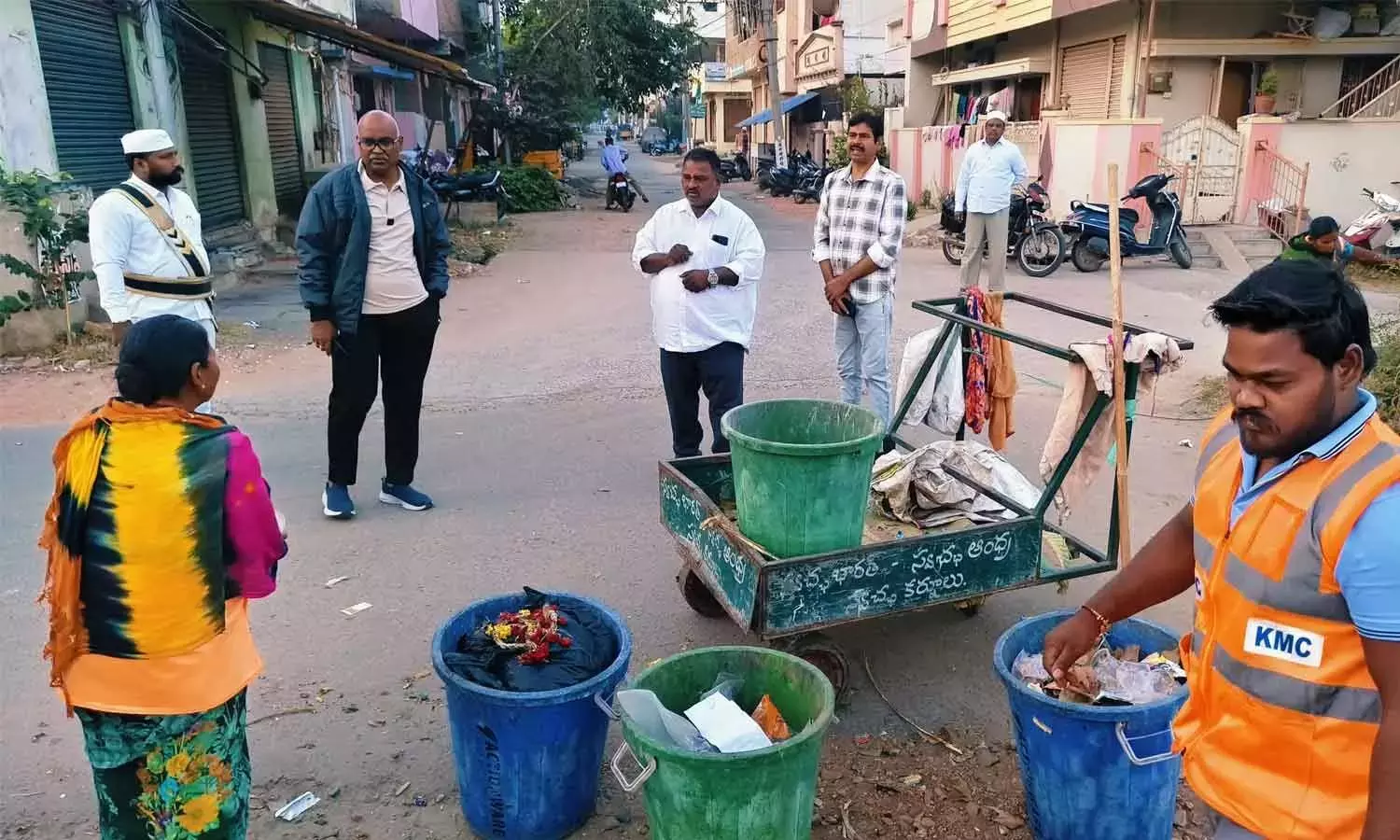
स्वच्छता कार्य में लापरवाही पर कड़ी कार्रवाई होगी: केएमसी आयुक्त
November 19, 2026
2,481 views
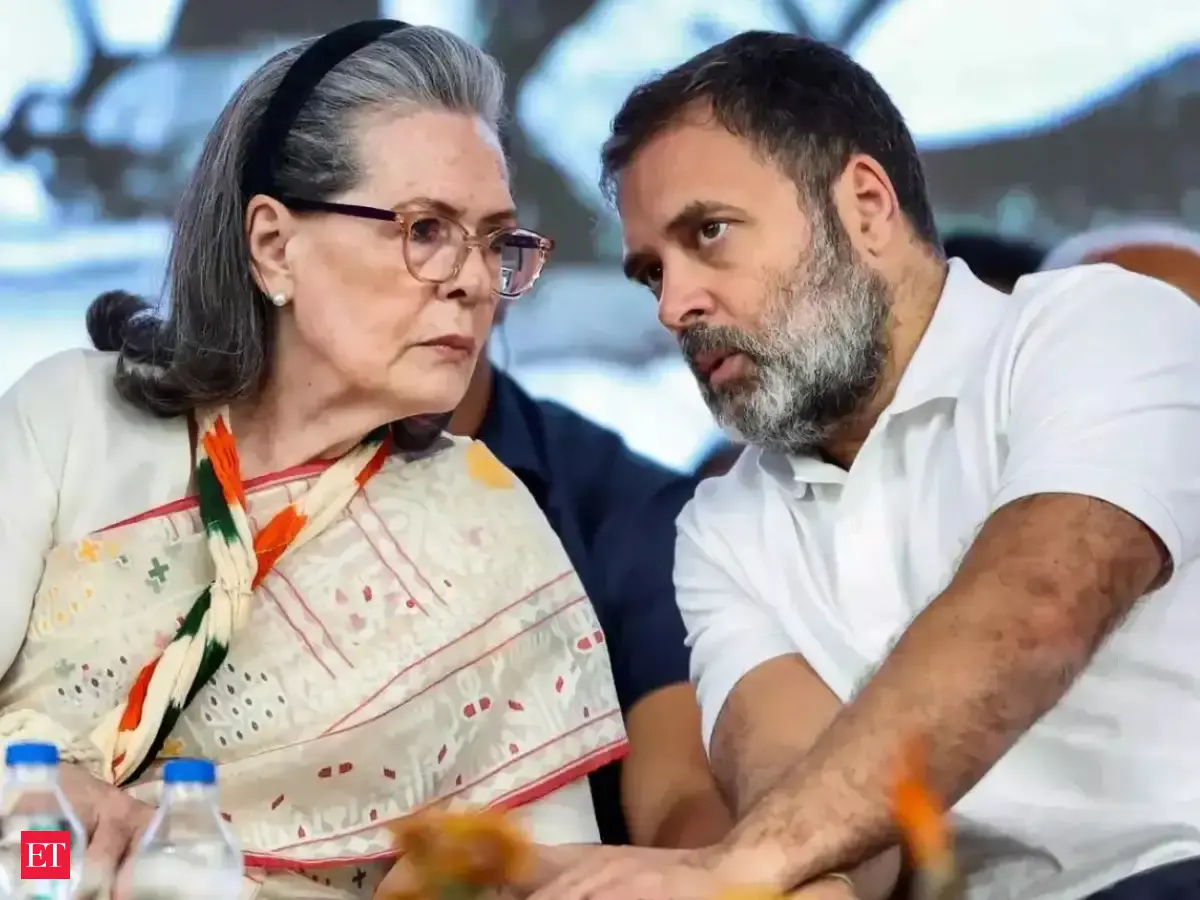
In a significant legal development, the Delhi High Court has scheduled a hearing for October 12 regarding a plea filed by the Enforcement Directorate (ED) aimed at challenging a trial court's decision. The trial court had previously refused to take cognizance of the ED's charge sheet, which implicates prominent figures of the Indian National Congress, including Sonia Gandhi, Rahul Gandhi, and several others, in a serious money laundering case. The ED has described the need for an expedited hearing as urgent, highlighting the importance of the matter in the context of ongoing investigations into financial misconduct.
The National Herald case traces its origins to allegations of financial irregularities linked to the acquisition of the National Herald newspaper by the Congress party. The newspaper, which has historical significance in India's struggle for independence, has become embroiled in controversy, with accusations suggesting that the Gandhi family and others have misused their political influence for personal gain. The Enforcement Directorate's charge sheet outlines a web of transactions and financial dealings that allegedly constitute money laundering, raising questions about transparency and accountability among public figures.
The Enforcement Directorate, an agency responsible for enforcing economic laws and fighting financial crime in India, has been under pressure to pursue the case vigorously. In its plea, the ED argued that the trial court's refusal to acknowledge the charge sheet hampers the progress of the investigation and undermines the judicial process. The agency emphasized the necessity of addressing the allegations promptly, asserting that prolonged delays could jeopardize the integrity of the evidence and the overall case.
On the other side, the legal team representing the Gandhis has been proactive in responding to the ED's accusations. Their counsel has filed replies and sought a hearing date, indicating a readiness to defend against the charges laid out in the charge sheet. The Gandhis maintain that the allegations are politically motivated and intend to discredit their longstanding legacy in Indian politics. They argue that the case lacks substantial evidence and that the ED's actions are part of a broader strategy to malign opponents of the current government.
The outcome of this case could have far-reaching implications for the Indian political landscape, especially for the Congress party, which has historically been one of the dominant political forces in the country. As the case unfolds, it may influence public perception of the Gandhis and their political viability. Critics of the ruling party may view the case as an attempt to weaken the opposition, while supporters of the ED argue that accountability should extend to all individuals, regardless of their political affiliations.
The National Herald case has captured significant media attention, with various news outlets providing extensive coverage of the proceedings. Public sentiment appears divided, with some segments of the population expressing support for the Gandhis, viewing them as victims of political vendetta, while others advocate for stringent measures against alleged financial crimes, regardless of the perpetrators' political stature. The case has ignited discussions on the role of investigative agencies in a democratic society and the balance between political accountability and judicial independence.
As the October 12 hearing approaches, all eyes will be on the Delhi High Court and the arguments presented by both sides. The court's decision could set a precedent for how similar cases are handled in the future and may impact ongoing investigations into financial misconduct involving other political figures. Legal experts predict that the ruling may not only affect the Gandhis but could also ripple through the broader political landscape, influencing strategies and narratives leading up to upcoming elections.
The National Herald case continues to be a focal point of legal and political discourse in India, with implications that extend beyond the individual figures involved. The upcoming hearing will be crucial in determining the trajectory of this high-profile case and may influence public confidence in the judicial system's ability to address allegations of financial impropriety among politicians.


Loading more news...
You've reached the end of our news feed. Check back later for more updates!