
Entertainment
Faridabad News: रामजन्म से लेकर ताड़का वध तक के प्रसंगों का मंचन
October 9, 2026
669 views
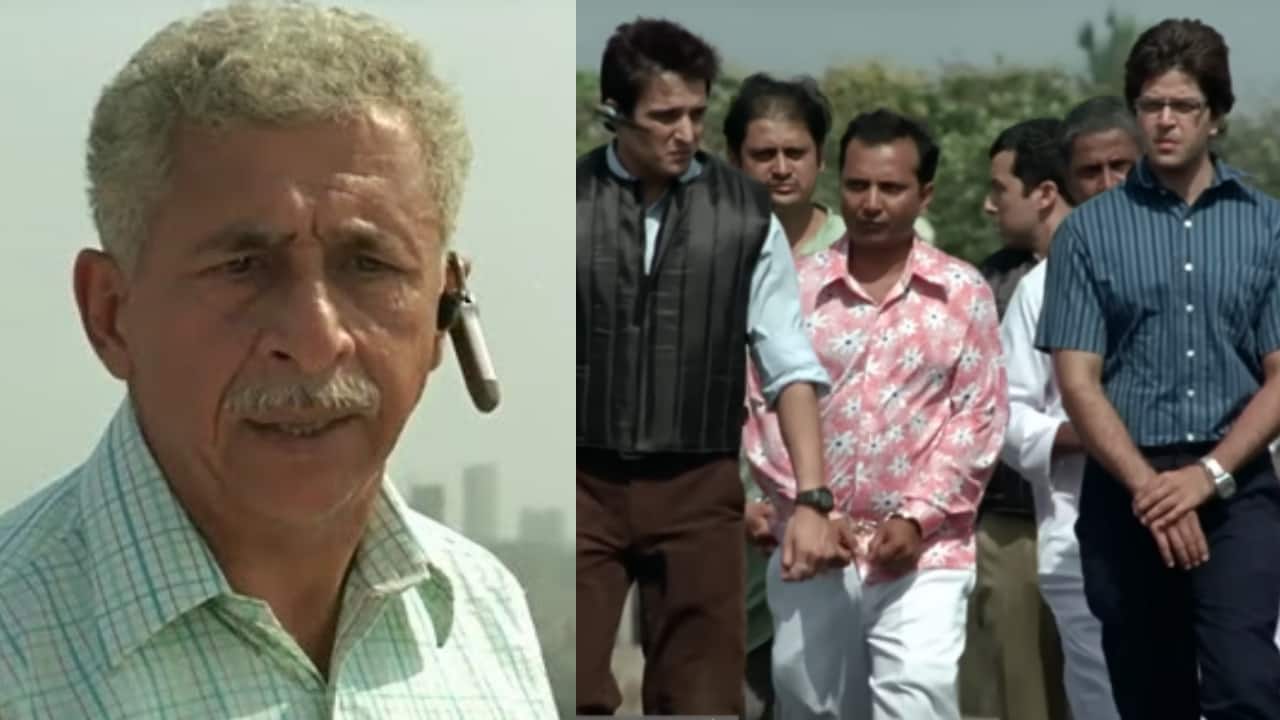
In a recent interview, acclaimed filmmaker Neeraj Pandey shared intriguing insights regarding the making of his critically acclaimed film "A Wednesday." The film, which was released in 2008, has remained a topic of discussion for its bold portrayal of terrorism and the psychological depths of its characters. Central to this discussion is the renowned actor Naseeruddin Shah, who played a pivotal role in the film. Pandey revealed that Shah was never uncomfortable with the depiction of terrorists as Muslims, a fact that has often sparked controversy and debate.
"A Wednesday" is a gripping narrative that revolves around a common man’s desperate measures against terrorism. The film features a tense standoff between the protagonist, played by Shah, and the police, as he takes several terrorists hostage to make a powerful statement. The film's bold narrative style and its exploration of a sensitive subject matter raised eyebrows upon its release, prompting discussions about the responsibility of filmmakers in portraying religious identities in the context of terrorism.
Neeraj Pandey emphasized that Shah’s approach to the role was deeply rooted in his understanding of the complexities surrounding terrorism. According to Pandey, Shah viewed the characters not merely as representatives of a religion but as individuals shaped by their circumstances. This nuanced understanding allowed Shah to deliver a compelling performance without any reservations about the characters’ backgrounds.
During the interview, Pandey stated, "Naseeruddin’s belief is that terrorism does not belong to any one community. He approached the role with an open mind and a commitment to the story we were telling." This perspective is particularly significant in a time when media representations of terrorism often lead to stereotypes and generalizations about Muslim communities.
Since its release, "A Wednesday" has garnered critical acclaim, not only for its riveting plot and performances but also for its timely commentary on the state of security in urban India. The film has sparked dialogues regarding the portrayal of communal identities in cinema and the ethical responsibilities of filmmakers. Critics have praised the film for its ability to engage audiences in a conversation about the moral dilemmas surrounding vigilantism and the fight against terrorism.
Despite its positive reception, "A Wednesday" was not without its controversies. The portrayal of Muslim characters as terrorists drew criticism from certain quarters, with some arguing that it perpetuated negative stereotypes. However, Pandey defended the film, asserting that it was meant to reflect the harsh realities of terrorism, and was not intended to demonize any community.
Moreover, Shah’s stance has been crucial in navigating these discussions. His ability to separate the character from the broader societal implications has led many to appreciate his artistry and his commitment to truthful storytelling. “Art should provoke thought, not just entertain,” Shah reportedly believes, aligning with the film’s intention to challenge viewers’ perceptions of justice and morality.
Years after its release, "A Wednesday" continues to be relevant, resonating with audiences facing contemporary issues of security and identity. The film has inspired numerous conversations about how cinema can reflect social realities while also pushing for change. Neeraj Pandey's revelation about Naseeruddin Shah’s unyielding commitment to the film's narrative underscores the importance of thoughtful representation in media.
As the world grapples with increasing instances of terrorism and the complexities of identity politics, "A Wednesday" stands as a poignant reminder of the power of storytelling to address pressing issues without resorting to simplifications or biases.
In conclusion, the insights shared by Neeraj Pandey regarding Naseeruddin Shah’s reaction to the characterizations in "A Wednesday" shed light on the thought process behind one of Indian cinema's most impactful films. Shah's understanding and portrayal of a terrorist as a complex character rather than a mere stereotype reflect a maturity in his craft and a profound connection to the themes of the film.
As filmmakers continue to navigate the tricky waters of representation in the modern world, "A Wednesday" serves as a model for creating compelling narratives that challenge societal norms while fostering meaningful discussions about identity and justice. The legacy of the film, bolstered by Shah's nuanced performance and Pandey's vision, will undoubtedly continue to inspire future generations of filmmakers and audiences alike.


Loading more news...
You've reached the end of our news feed. Check back later for more updates!