Politics
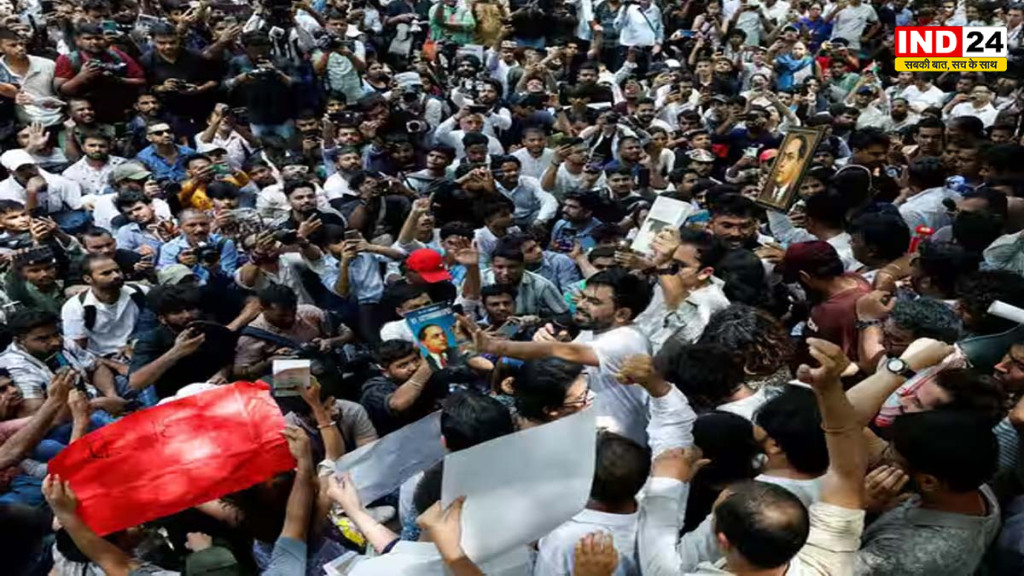
धरना-प्रदर्शनों का नया कारोबार: लोकतंत्र की आड़ में आखिर किसके हित साधे जा रहे हैं?
October 10, 2026
1,612 views

Hyderabad: The All India Muslim Personal Law Board (AIMPLB) along with several prominent Muslim organisations has raised serious concerns regarding the Uttarakhand government's proposed madrasa legislation. On Monday, April 27, they issued a joint statement condemning the bill which mandates that all madrasas in the state must register with a government educational board. The AIMPLB argues that this move infringes upon the fundamental rights guaranteed under the Constitution of India, particularly the rights to freedom of religion and the right to manage educational institutions.
The proposed legislation has sparked a wave of dissent among the Muslim community, who see it as an attempt to exert undue control over their educational institutions. The AIMPLB has emphasized that madrasas have been vital in providing religious and secular education to thousands of students, especially in rural areas where access to quality education is limited. They contend that the government’s intervention could lead to the erosion of religious education and undermine the autonomy of these institutions.
One of the major concerns voiced by the AIMPLB and other organisations is the potential for government overreach. By requiring madrasas to register with a government board, critics argue that the state could impose regulations that conflict with Islamic teachings and traditions. The joint statement highlights that such actions violate the principle of individual autonomy and could result in the alteration of the curriculum to align with governmental standards, which may not reflect the values and beliefs of the communities running these madrasas.
The AIMPLB has vowed to challenge the bill in the Supreme Court of India, stating their commitment to protecting the rights of Muslim educational institutions. They are calling upon the community to unite in opposition to this legislation and to engage in peaceful protests and advocacy efforts. This call to action is seen as a crucial step to mobilize support from various sections of society who believe in the importance of educational freedom and the preservation of cultural identity.
The debate surrounding the Uttarakhand madrasa bill is part of a larger discourse on the status of religious education in India. Madrasas play a significant role in the educational landscape, especially in areas where public schooling may not be readily available or accessible. The AIMPLB argues that these institutions not only provide religious instruction but also contribute to the overall development of students by teaching essential life skills and values.
In defense of the bill, the Uttarakhand government has argued that the registration of madrasas is necessary to ensure that they meet basic educational standards and to enhance accountability. They claim that the move is intended to protect the interests of students and ensure that they receive a comprehensive education that prepares them for the future. However, this perspective has been met with skepticism by the AIMPLB and other community leaders who view it as a guise for controlling religious education.
The response from the Muslim community has been swift and vocal. Numerous organisations have joined the AIMPLB in denouncing the bill, and community leaders have held meetings to discuss strategies for legal and political action. The sentiment expressed by many is that any attempt to regulate madrasas should be done in consultation with the communities they serve, rather than through unilateral government action. There is a growing call for dialogue between the government and community leaders to address concerns without compromising the integrity of religious education.
As the situation develops, all eyes will be on the legal proceedings that follow. The AIMPLB's decision to approach the Supreme Court signals a significant escalation in the fight for religious freedom and educational autonomy. The outcome of this case could set important precedents for the future of madrasas not only in Uttarakhand but across India. The broader implications for religious minorities and their rights to self-governance in educational matters are at stake, making this a pivotal moment in the ongoing dialogue about education, religion, and state intervention in India.
In conclusion, the clash over the Uttarakhand madrasa bill exemplifies the tensions between governmental authority and community rights. As the AIMPLB and other Muslim organisations prepare to challenge this legislation legally, the outcome will be closely watched by various stakeholders interested in the intersection of law, education, and religious freedom in India.


Loading more news...
You've reached the end of our news feed. Check back later for more updates!