Health
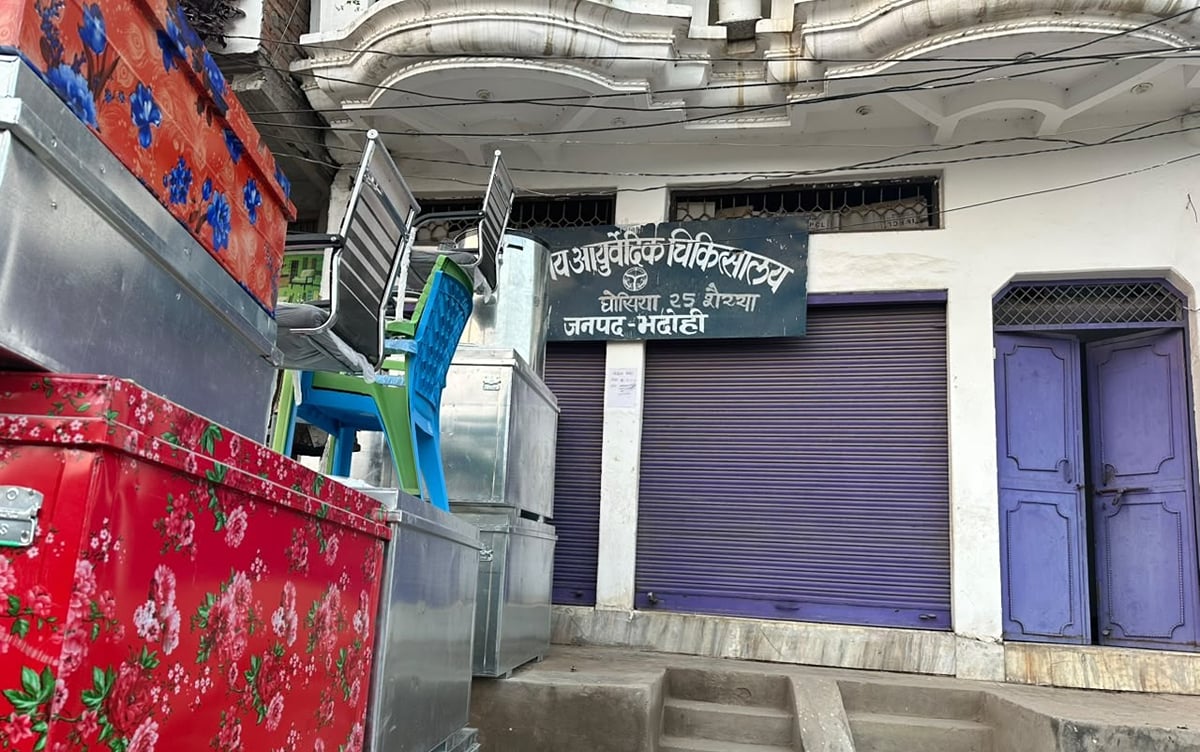
Bhadohi News: 26 में से 25 आयुर्वेद अस्पतालों में मरीजों को भर्ती करने के लिए एक भी बेड नहीं
October 9, 2026
1,115 views
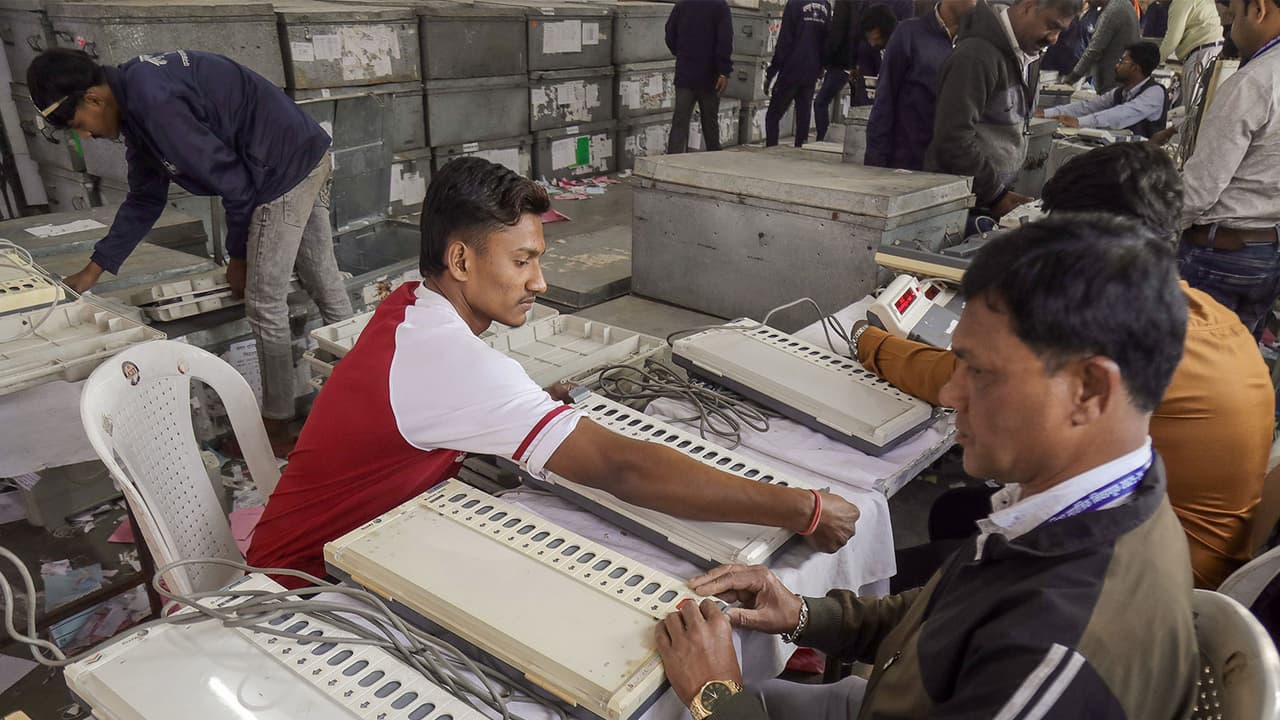
In a significant development for the electoral process in Mumbai, a diagnostic check of the Electronic Voting Machines (EVM) and Voter Verified Paper Audit Trail (VVPAT) for the Chandivali constituency is scheduled for April 16. This decision follows an application filed by Congress leader Naseem Khan in the Bombay High Court, emphasizing the necessity for transparency and accuracy in the election process. The court had granted permission for the inspection of 20 EVMs, a crucial step in ensuring the integrity of the electoral system.
The controversy surrounding EVMs has been a point of contention in Indian politics for years, with various parties questioning the reliability of these machines. The Congress party, led by Naseem Khan in this instance, raised concerns about the potential for malfunction or tampering during elections. This prompted them to seek judicial intervention to ensure that the electoral machinery is functioning correctly and can be trusted by the electorate. The Bombay High Court's ruling in February 2026 marks a pivotal moment in addressing these concerns and restoring public confidence in the electoral process.
The diagnostic check of the EVMs is essential for a variety of reasons. First and foremost, it aims to verify that the machines are free from defects and can accurately record votes as intended. This is particularly crucial in a densely populated area like Chandivali, where every vote counts significantly. Ensuring the integrity of the voting process is vital for maintaining democracy and the faith of citizens in their elected representatives.
Moreover, the process will involve a thorough examination of the machines, checking for any discrepancies or irregularities that might affect the voting outcome. The involvement of independent observers during this diagnostic check can further bolster the credibility of the results, making the electoral process more transparent.
The announcement of the EVM diagnostic check has sparked varied reactions among the public and political circles alike. Many residents of Chandivali have expressed their support for the initiative, viewing it as a step toward greater accountability in the electoral process. Voter confidence is paramount, and efforts to ensure that elections are conducted fairly can help restore faith in the democratic system.
On the other hand, some political analysts argue that the focus on EVM diagnostics could be perceived as a tactic by the Congress party to distract from other pressing issues facing the electorate. Yet, it is crucial to note that the demand for a transparent electoral process is not merely a political maneuver; it reflects a broader concern among citizens about the sanctity of their vote.
As the date for the diagnostic check approaches, discussions surrounding the future of EVM and VVPAT technology in Indian elections are gaining momentum. The current situation might serve as a catalyst for more comprehensive reforms in the electoral system. Enhanced technology and stricter regulations could be implemented to further secure the voting process and alleviate concerns regarding EVM reliability.
Additionally, the outcomes of this diagnostic check could pave the way for similar initiatives across other constituencies in Mumbai and beyond, encouraging political parties and election authorities to adopt more robust measures for ensuring electoral integrity. Stakeholders are keenly observing how this situation unfolds, as it has implications for future elections and governance in the region.
In conclusion, the upcoming EVM and VVPAT diagnostic check in Chandivali is set to play a crucial role in reinforcing the integrity of the electoral process in Mumbai. With the Bombay High Court's involvement and the backing of political leaders like Naseem Khan, there is hope for a more transparent and accountable electoral system. As citizens eagerly await the results of the diagnostic check, the importance of safeguarding democracy and the trust of voters remains at the forefront of this initiative. This could potentially lead to a paradigm shift in how elections are conducted in India, emphasizing the need for technology that not only serves its purpose but does so with the utmost reliability.

Loading more news...
You've reached the end of our news feed. Check back later for more updates!