
Entertainment
Faridabad News: रामजन्म से लेकर ताड़का वध तक के प्रसंगों का मंचन
October 9, 2026
669 views
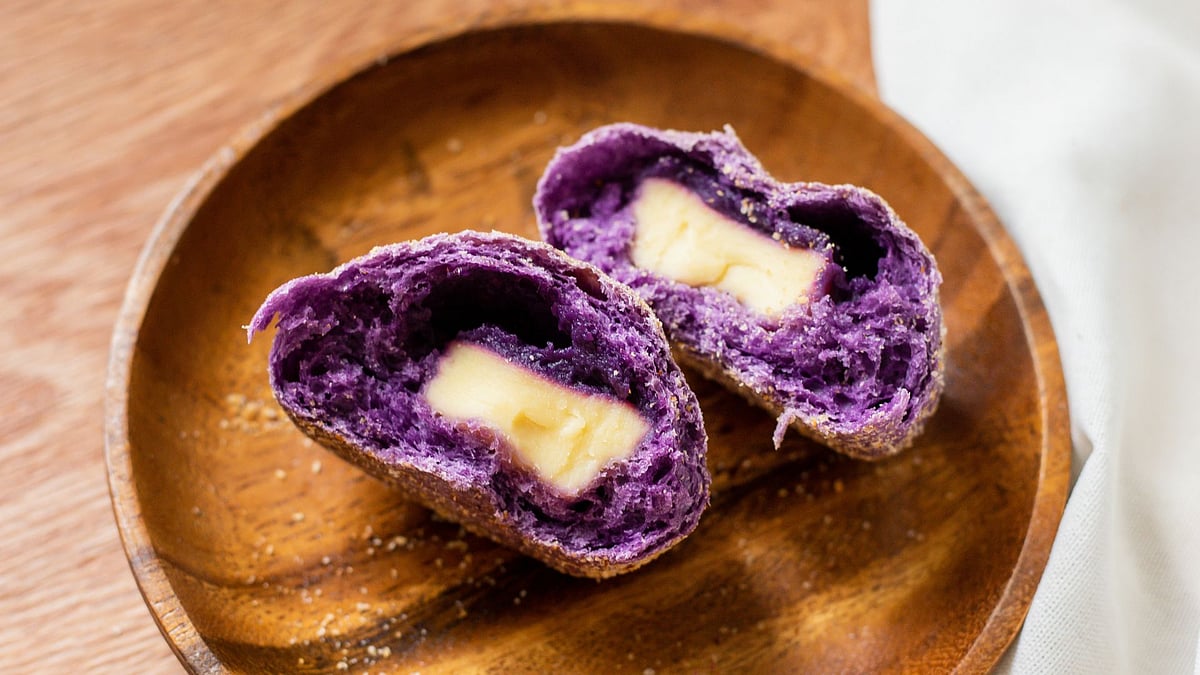
In recent months, ube has taken social media by storm, quickly becoming the new darling of food enthusiasts around the globe. This vibrant purple yam, native to the Philippines, has found its way into a variety of dishes, ranging from decadent desserts to refreshing beverages. As health-conscious consumers and foodies alike continue to seek out unique flavor profiles and eye-catching aesthetics, ube's sweet, vanilla-coconut undertones have made it a standout ingredient.
Ube, or Dioscorea alata, has been a staple in Filipino cuisine for centuries. Traditionally used in festive dishes such as halo-halo and ube halaya, this root vegetable has deep cultural significance. It was often reserved for special occasions and celebrations, but its rising popularity has led to a wider appreciation beyond the Philippines. Today, ube is not just a local delicacy; it's a global phenomenon that has captured the attention of chefs and home cooks alike, thanks to its stunning color and unique flavor.
Several factors contribute to ube's rapid rise to fame. For one, its vibrant purple hue makes it the perfect candidate for Instagram-worthy dishes. Food bloggers and influencers have embraced ube for its photogenic qualities, using it in everything from cakes to ice cream. The striking color not only draws attention but also signifies the health benefits associated with the ingredient. Ube is rich in antioxidants, vitamins, and dietary fiber, making it a nutritious addition to any meal.
While ube and taro are often confused due to their similar appearances, they are distinct in both flavor and texture. Ube has a milder sweetness and a creamier texture, while taro tends to have more of an earthy taste. Ube is celebrated for its versatility, easily transitioning from sweet to savory dishes. This adaptability allows chefs to experiment with ube in various culinary applications, leading to innovative creations that continue to impress diners.
Ube has found its way into a myriad of modern recipes, showcasing its flexibility as an ingredient. From ube lattes and ube pancakes to ube cheesecakes and ube donuts, the possibilities are nearly endless. Cafés and bakeries around the world have begun incorporating ube into their menus, catering to the growing demand for unique flavor combinations. This trend has not only elevated the dessert landscape but has also introduced many to the rich flavors of Filipino cuisine.
As ube continues to gain traction, several standout recipes have emerged, capturing the hearts of food lovers everywhere. Ube ice cream has become a must-try treat, offering a refreshing and indulgent way to enjoy this vibrant root. Additionally, ube mochi has gained popularity as a chewy, flavorful snack that pairs well with various fillings. For those looking to bake at home, ube cupcakes are a fantastic option, providing a moist and flavorful experience that leaves a lasting impression.
As this purple yam continues to trend, culinary experts predict that its popularity will only grow. With a focus on using natural ingredients and exploring global flavors, ube fits perfectly into the current culinary landscape. It not only caters to the aesthetic desires of food enthusiasts but also aligns with a growing interest in health-conscious eating. As more consumers discover the unique taste and vibrant color of ube, it is likely that it will solidify its place alongside matcha and other superfoods in the culinary canon.
For those interested in incorporating ube into their diet, there are several ways to do so. Ube can be found in various forms, including frozen puree, powdered form, or fresh tubers, making it accessible for home cooks. Try adding ube puree to smoothies for a colorful and nutritious boost, or use it to create ube-infused buttercream for your next baking project. The possibilities are limited only by your imagination!
Ube is more than just a trend; it’s a celebration of flavor and culture that invites culinary exploration. With its unique taste, stunning color, and health benefits, it’s no surprise that this Filipino staple has captured the hearts of food lovers worldwide. As you embark on your culinary journey with ube, remember to share your creations and inspire others to join in on this vibrant food revolution.


Loading more news...
You've reached the end of our news feed. Check back later for more updates!