Politics
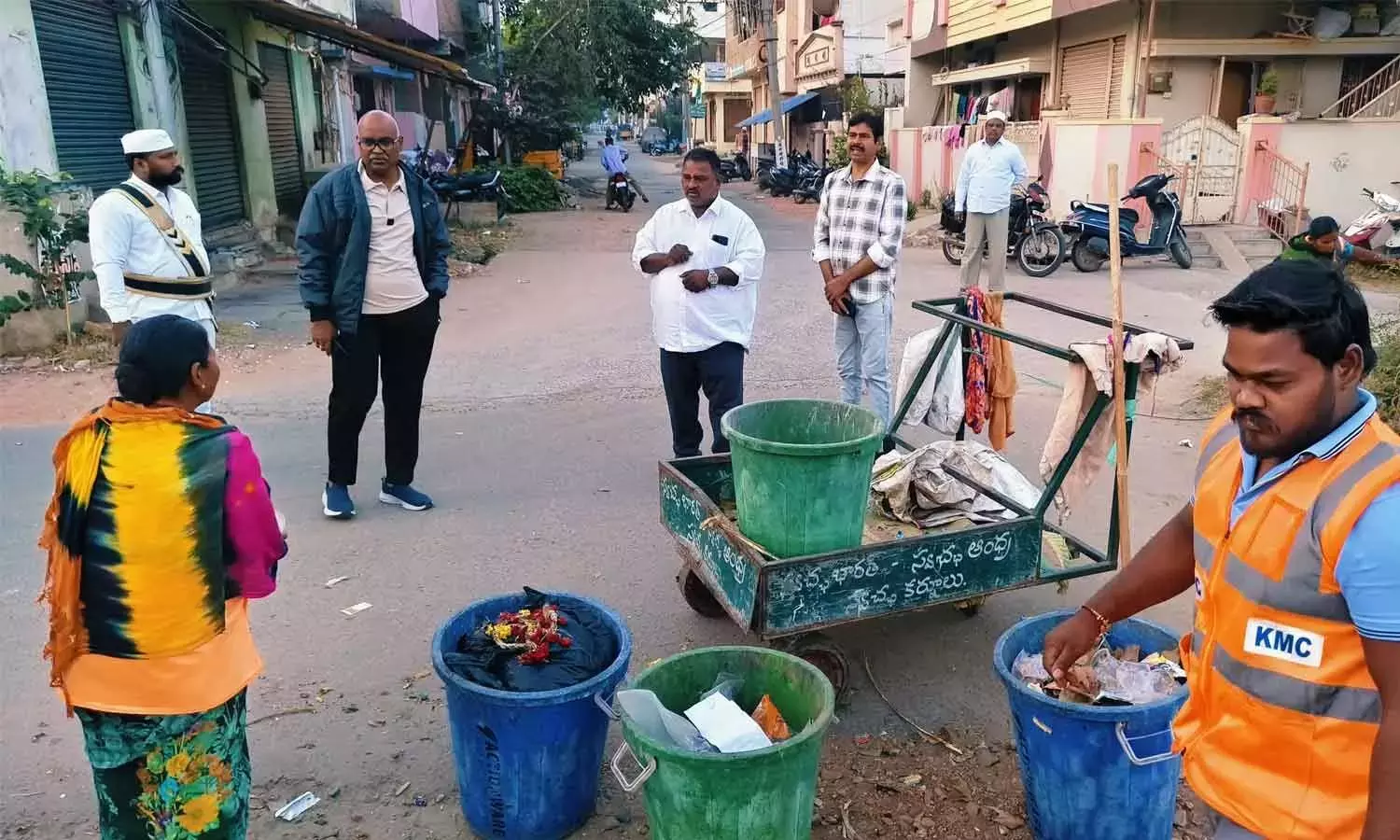
स्वच्छता कार्य में लापरवाही पर कड़ी कार्रवाई होगी: केएमसी आयुक्त
November 19, 2026
2,481 views
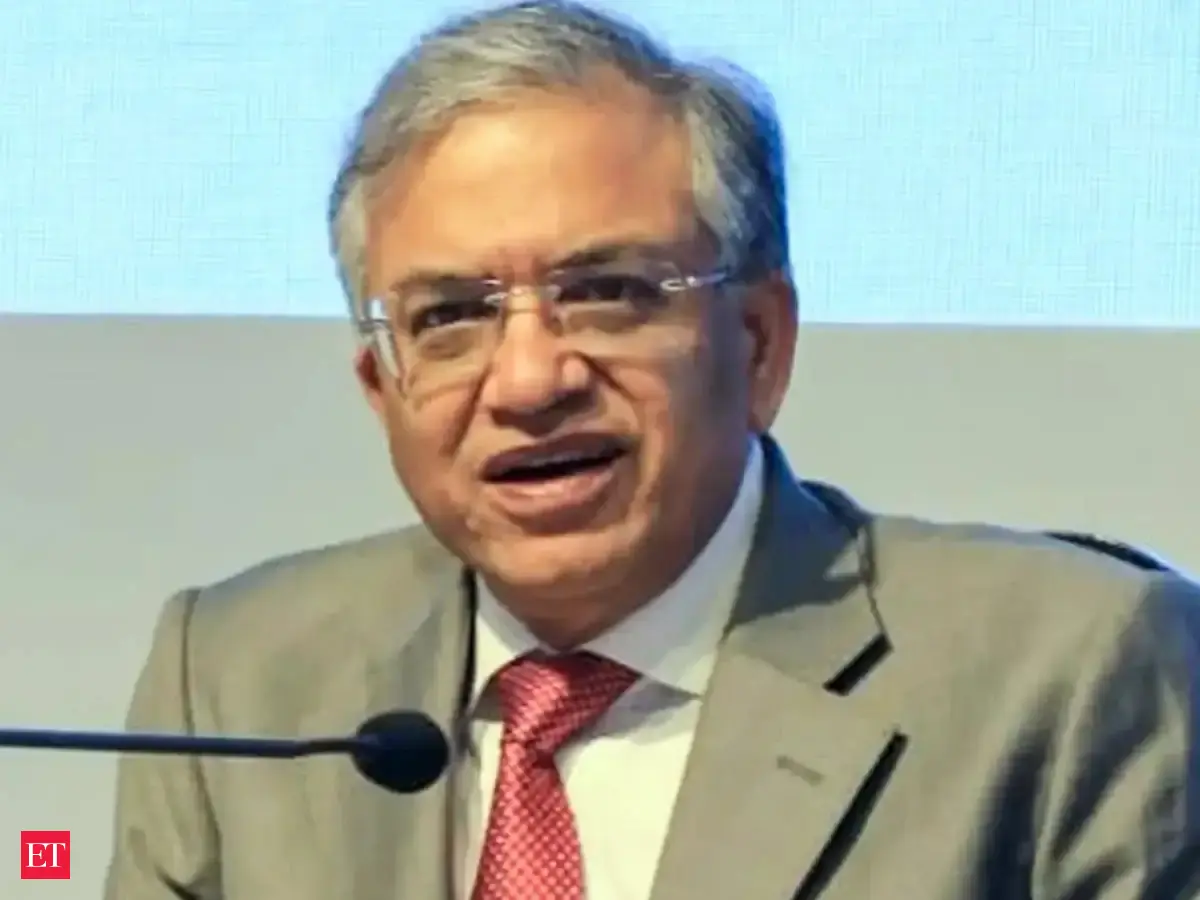
In a significant political outburst, Congress leader Rahul Gandhi accused Prime Minister Narendra Modi and Home Minister Amit Shah of orchestrating a scheme to manipulate India's electoral process. Gandhi's allegations center around the Chief Election Commissioner, Gyanesh Kumar, who he claims has been positioned to facilitate what he describes as "match-fixing" in the upcoming elections. This statement follows a controversial post shared on social media by the Kerala Congress, which highlighted Kumar's purported advice to a former Kerala chief secretary regarding contesting elections on a BJP ticket after retirement.
Gandhi's remarks have ignited a firestorm of political debate, as they suggest a direct correlation between the ruling BJP and the independence of the Election Commission. The Chief Election Commissioner, who is expected to uphold the integrity of the electoral process, is now embroiled in allegations that could undermine public confidence in the democratic framework of India. The Congress party has long accused the BJP of manipulating institutions for political gain, and this latest incident seems to reinforce those claims.
The context of Gandhi's allegations is critical in understanding the political landscape leading up to the elections. The Congress party has been vocal about its concerns regarding the transparency and integrity of the electoral process, particularly in states where the BJP has a stronghold. The accusation that a senior election official is involved in facilitating candidates for the ruling party raises alarms about the potential for widespread electoral corruption.
The ramifications of these allegations could be profound, especially as India approaches a crucial election period. With the general elections on the horizon, both the Congress and BJP are ramping up their campaigns, and accusations like these can have a significant impact on voter sentiment. The credibility of the Election Commission is vital for ensuring that citizens believe in the electoral process. If the public perceives that the Commission is compromised, it could lead to widespread disenfranchisement and apathy toward voting.
In response to Gandhi's allegations, the BJP has consistently defended its position, claiming that the Congress party is resorting to baseless accusations to divert attention from its own failures. The ruling party argues that the Election Commission operates independently and that any insinuation of collusion is merely a tactic used by the opposition to undermine trust in democratic institutions. This back-and-forth is emblematic of the larger political battle in India, where each party seeks to assert its legitimacy while casting doubt on the other's credibility.
As the situation unfolds, it remains to be seen how this controversy will influence the upcoming elections. The Congress party is likely to continue its offensive against the BJP, capitalizing on allegations of electoral manipulation to galvanize support. On the other hand, the BJP will aim to counter these claims and reinforce its narrative of governance and progress. Voter engagement will be critical, as citizens are urged to remain vigilant and informed about the integrity of the electoral process.


Loading more news...
You've reached the end of our news feed. Check back later for more updates!