Politics
धरना-प्रदर्शनों का नया कारोबार: लोकतंत्र की आड़ में आखिर किसके हित साधे जा रहे हैं?
October 10, 2026
1,612 views

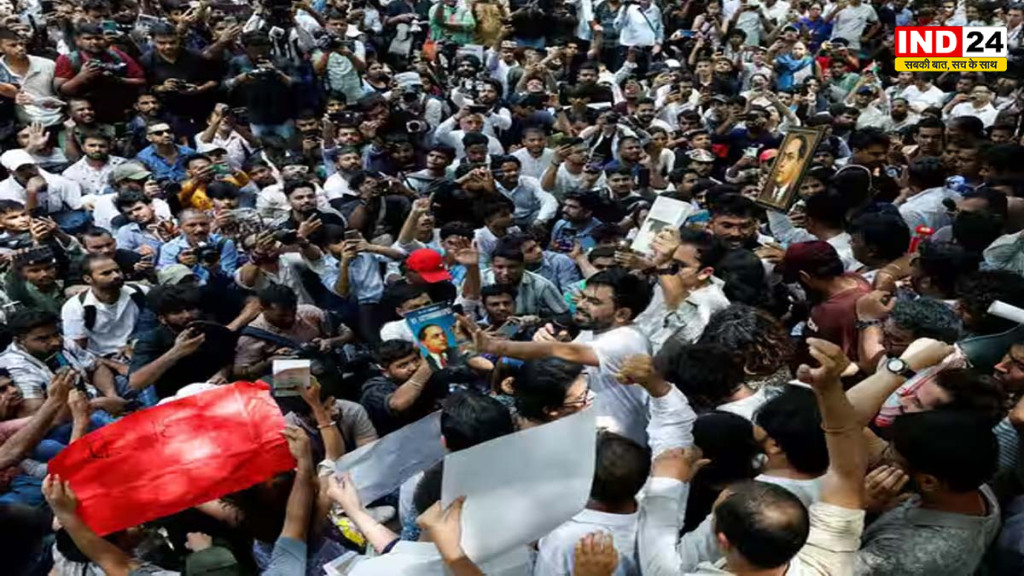
In a significant show of support for student protests, Tamil Nadu's Chief Minister MK Stalin has voiced his strong opposition to the National Eligibility cum Entrance Test (NEET). Speaking at a rally at Jantar Mantar, Stalin emphasized that merely modifying the existing system is insufficient and that the only viable path forward is to completely abolish NEET. His remarks come in the wake of ongoing demonstrations by students who have been vocal about their grievances regarding the centralized examination system.
NEET, introduced in 2013, has been a contentious issue across India. It was designed to standardize the admission process for medical colleges, aiming to eliminate discrepancies in evaluation methods used by different states. However, many students, particularly from Tamil Nadu, argue that this single entrance examination system disadvantages those from rural backgrounds and under-resourced educational environments. They believe that NEET favors students who can afford extensive coaching, thereby creating an unequal playing field.
During his speech, Stalin articulated a vision of educational equity, stating that the current examination system perpetuates social and economic disparities. He remarked, “Education should be a right, not a privilege. The scrapping of NEET is essential to ensure that every student has an equal opportunity to pursue a career in medicine.” His administration has been a vocal advocate for state-run medical admissions processes, which they believe would better reflect the capabilities of Tamil Nadu's students.
The protests at Jantar Mantar have seen a diverse group of students, including those from various educational backgrounds and regions, coming together to voice their frustrations. Many students have expressed feelings of anxiety and pressure due to the high stakes associated with NEET. A representative from the protesting students shared, “We are not against examinations, but we want a system that recognizes our potential and hard work, not just our ability to pay for coaching classes.”
Stalin's support for the protests not only aligns with the sentiments of his constituents but also positions him as a champion of youth issues in the upcoming elections. Political analysts have noted that this move could galvanize support among younger voters who feel marginalized by the current educational policies. By aligning with the students, Stalin is also sending a clear message to the central government regarding state rights in educational matters.
In response to the increasing pressure from state leaders like Stalin, the central government has been largely defensive. Education Minister Dharmendra Pradhan reiterated the government's commitment to maintaining NEET, arguing that it promotes transparency and standardization in medical education. However, this stance has not appeased the growing calls for reform, with many accusing the central government of ignoring the unique needs of states like Tamil Nadu.
The future of medical admissions in India hangs in the balance as the debate over NEET continues to evolve. With states like Tamil Nadu pushing back against the centralized examination system, the possibility of reforms or even a complete overhaul remains a topic of heated discussion. Students and educators alike are advocating for a more inclusive system that would allow for state-level assessments, which they argue could better reflect the abilities of candidates.
As the protests at Jantar Mantar gain momentum, it is clear that the issue of NEET is not just about medical admissions; it is emblematic of larger questions surrounding educational equity and access in India. MK Stalin's support for the students highlights the need for a comprehensive dialogue about the future of education in the country. “We must listen to our youth and prioritize their future,” he stated, urging the central government to reconsider its stance. The coming weeks will be crucial for both the students and the policymakers as they navigate this complex and pressing issue.

Loading more news...
You've reached the end of our news feed. Check back later for more updates!