Politics
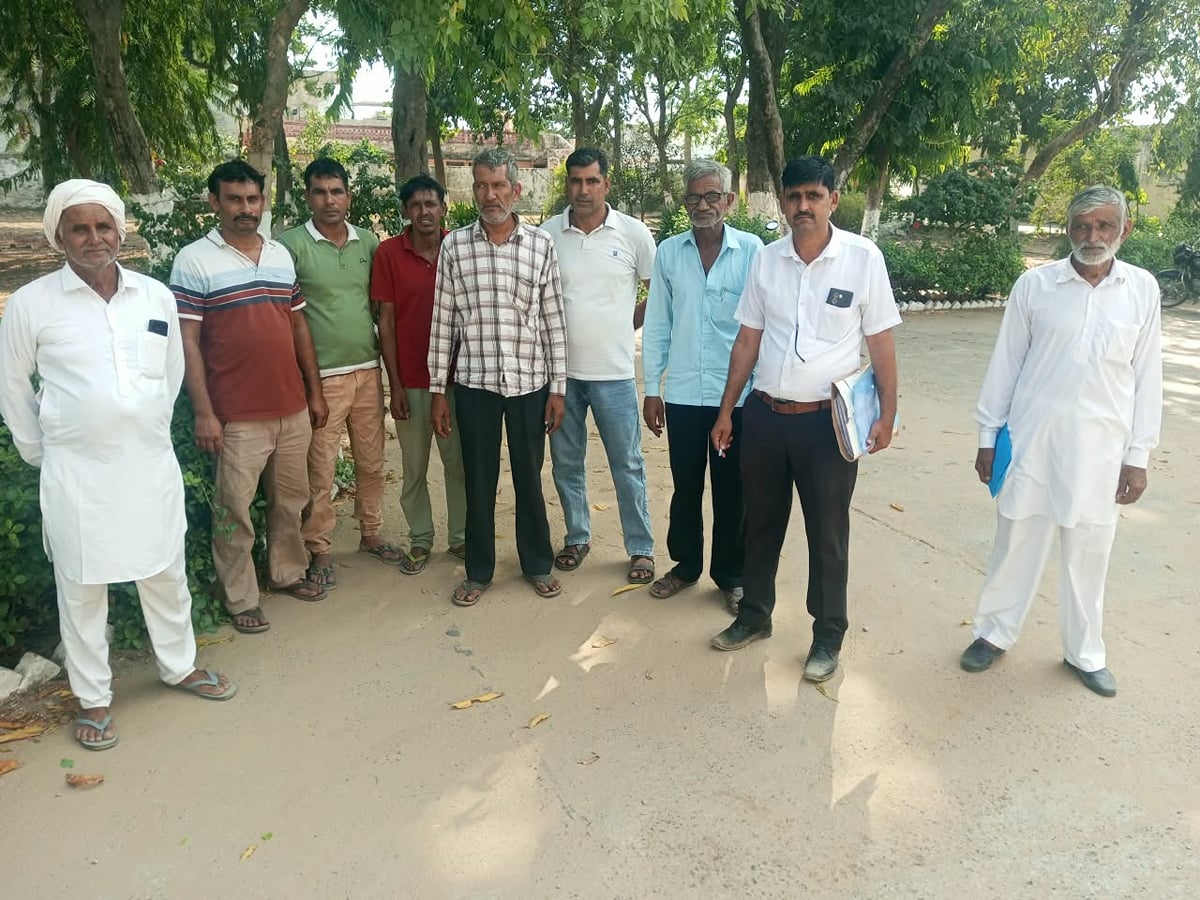
Charkhi Dadri News: निमड़ी-बड़ेसरा में चकबंदी पटवारी बदलने की मांग, ग्रामीणों ने एसडीएम को सौंपा शिकायत पत्र
October 12, 2026
2,812 views
Middle East War: Iran clears passage for two Indian LPG tankers through Strait of Hormuz

In a significant development for international shipping and energy trade, Iran has granted permission for two Indian liquefied petroleum gas (LPG) tankers to navigate the strategically vital Strait of Hormuz. This announcement comes at a time when ongoing conflicts in West Asia have raised serious concerns about the safety and security of maritime routes in the region. The Strait of Hormuz, a narrow passage that connects the Persian Gulf to the Arabian Sea, is a critical chokepoint for global oil and gas shipments, making its security a matter of international interest.
The decision by Iranian authorities is particularly noteworthy given the backdrop of rising tensions in the region. Various geopolitical factors, including ongoing conflicts in neighboring countries and threats from non-state actors, have put pressure on shipping activities. Despite these challenges, Iran’s Supreme Leader's representative has assured that the strait remains open for navigation. This statement is crucial as it underscores Iran's willingness to facilitate maritime commerce, even amidst rising security concerns.
The transit of Indian LPG tankers through the Strait of Hormuz is expected to have significant implications for global energy markets. With India being one of the largest consumers of LPG, this move can help stabilize supply routes that have been increasingly fraught with tension. The Indian government has been keen to secure energy supplies for its growing economy, and access to Iranian LPG is a vital component of this strategy.
While the news of the tankers' passage is positive, it does not eliminate the inherent security risks associated with navigating the Strait of Hormuz. The region has seen various incidents of maritime insecurity, including attacks on vessels and confrontations between military forces. As such, the safety of shipping operations remains a significant concern for companies and governments alike.
The successful passage of the two Indian LPG tankers could pave the way for increased maritime trade between Iran and India. Both countries have deep-rooted economic ties, particularly in the energy sector, and this development may signal a renewed commitment to strengthening these relations despite external pressures. Furthermore, it could encourage other nations to explore energy partnerships with Iran, which has been subject to various international sanctions that have hampered its economic growth.
The decision to allow Indian LPG tankers to navigate the Strait of Hormuz is a noteworthy development in the context of West Asian geopolitics. It reflects Iran's strategic priorities and its desire to maintain open channels for trade, even in the face of regional challenges. As the situation evolves, stakeholders in the energy markets, shipping industries, and geopolitical analysts will be closely watching the developments in this critical maritime route.


Loading more news...
You've reached the end of our news feed. Check back later for more updates!