Politics
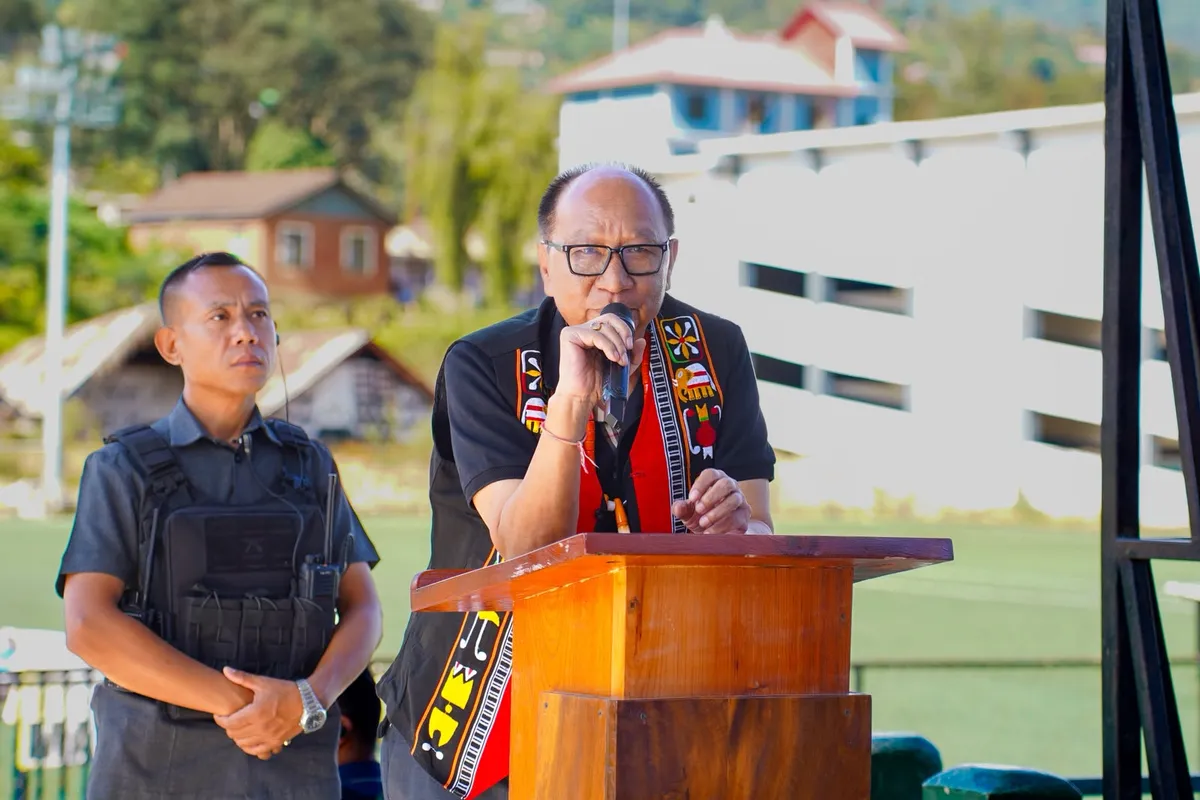
Manipur CM assures assistance to victims of spurious liquor tragedy
November 23, 2026
3,491 views

In a move that has sparked considerable debate across Italy, Prime Minister Giorgia Meloni announced her plans to introduce legislation aimed at banning the wearing of burqas and niqabs in Italian schools. This proposal also includes measures to limit the number of foreign students in classrooms, a decision that has raised questions about the future of multicultural education in the country.
Meloni's proposal stems from her belief that certain cultural practices, particularly those associated with Islam, are incompatible with the values of Italian society. The Prime Minister has expressed concerns that the wearing of full-face coverings in educational institutions obstructs communication and hinders the integration of foreign students into Italian culture. By implementing a ban on burqas and niqabs, Meloni aims to promote an environment that she believes will enhance social cohesion and respect for national identity.
Alongside the proposed ban on religious garments, Meloni's government is also looking to implement a cap on the number of foreign students allowed in each classroom. This measure, according to the Prime Minister, is designed to ensure that Italian students do not feel overwhelmed in their own educational environment. Meloni argues that a balanced mix of national and foreign students is essential for maintaining educational standards and promoting a harmonious learning atmosphere.
The announcement has elicited strong reactions from various political factions and social organizations. Supporters of Meloni's initiatives, primarily from the far-right factions, claim that these measures are necessary to protect Italian culture and values. They argue that the integration of foreign students should not come at the expense of the identity of Italian citizens.
The implications of Meloni's proposals extend beyond the realm of education. They reflect broader societal attitudes towards immigration and multiculturalism in Italy. As the country grapples with an increasing number of immigrants and refugees, the government's stance could set a precedent for future policies regarding cultural integration and diversity.
As Italy continues to navigate the complexities of a multicultural society, the outcomes of Meloni's proposed measures will likely have lasting effects on the educational landscape. The debate surrounding the ban on burqas and niqabs, as well as the capping of foreign students, will undoubtedly shape discussions about identity, integration, and inclusivity in Italian schools.


Loading more news...
You've reached the end of our news feed. Check back later for more updates!