Politics
धरना-प्रदर्शनों का नया कारोबार: लोकतंत्र की आड़ में आखिर किसके हित साधे जा रहे हैं?
October 10, 2026
1,612 views
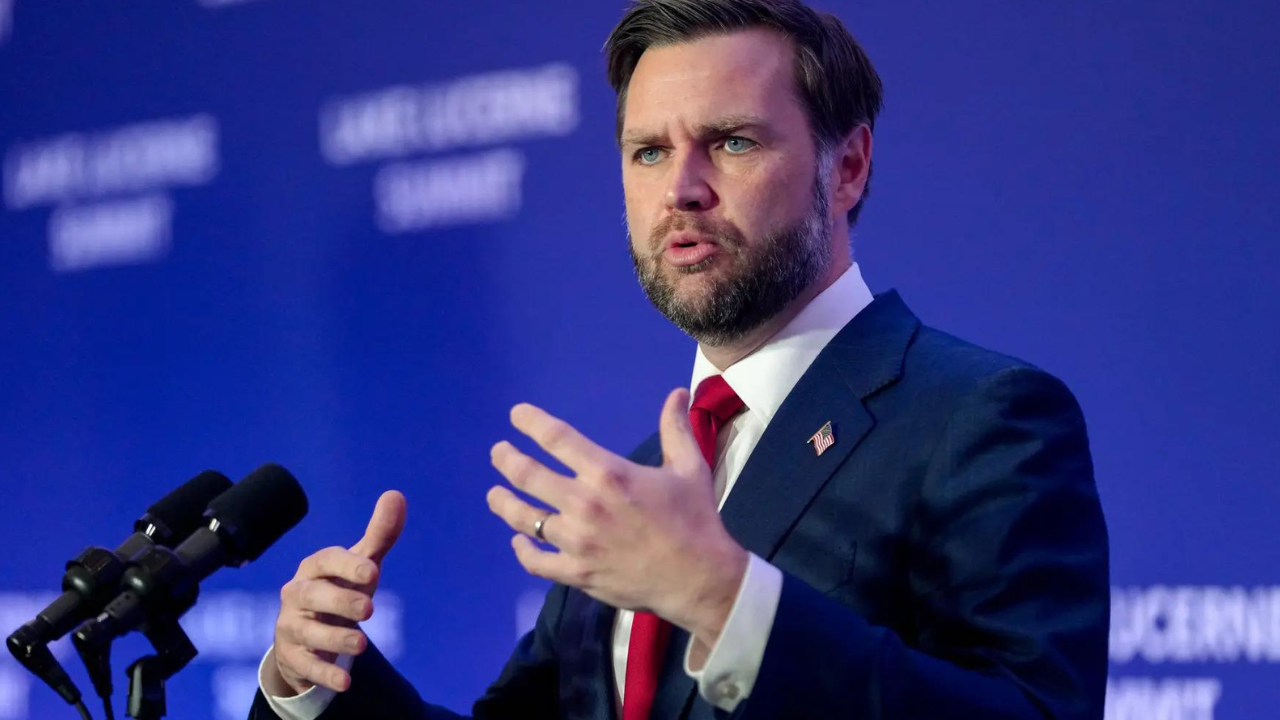
In a surprising turn of events, US Vice President JD Vance has recently sparked a wave of controversy following his public admiration for former President Richard Nixon. Nixon, a figure often associated with significant hostility towards India and its people, particularly Indian women, is now being reevaluated by Vance as a "political genius." This statement has raised eyebrows, especially considering the already complex and delicate nature of US-India relations.
Richard Nixon served as the 37th President of the United States from 1969 to 1974. His presidency is frequently remembered for the Watergate scandal, which ultimately led to his resignation. However, his administration's foreign policy towards India has also left a lasting impression, characterized by significant tension and discord. During the Indo-Pakistani War of 1971, Nixon's administration openly sided with Pakistan, further alienating India and its leaders.
Nixon's policies and remarks often reflected a deep-seated animosity towards India, which has not been forgotten by many Indian observers. His presidency was marked by a lack of diplomatic engagement with India, contrasting sharply with the relationship the US has sought to build in recent years. Vance’s recent comments about Nixon may come across as tone-deaf, especially to those who remember the historical context of Nixon's actions.
Vance's characterization of Nixon as deserving a "renaissance" in his reputation has been met with backlash from various quarters. Critics argue that Vance is attempting to rewrite history and gloss over the negative impacts Nixon's policies had on US-India relations. By downplaying the significance of the Watergate scandal, Vance appears to be engaging in a selective memory that resonates poorly with many who value historical accuracy and the implications of past political decisions.
While Vance refers to Nixon as a "political genius," many are questioning whether this label is appropriate given Nixon's controversial legacy. The implications of such admiration come at a time when the global political landscape is shifting, and the US is actively trying to strengthen ties with India amid rising geopolitical tensions in Asia. Vance's comments can be seen as a significant misstep, risking alienation of an important ally.
In recent years, the US and India have made strides in enhancing their bilateral relationship, focusing on trade, defense, and counter-terrorism cooperation. However, Vance's remarks have the potential to undermine these efforts. Indian policymakers and citizens may view his comments as a lack of understanding or respect for their history and struggles. As the Vice President, Vance's statements carry weight and can influence perceptions on both sides.
This incident highlights a disconnect that can occur when historical figures are celebrated without considering their full impact on global relations. The current administration has emphasized the importance of a strong US-India partnership, yet Vance's comments may inadvertently send conflicting signals. Diplomacy thrives on mutual respect and understanding, and revisiting Nixon's legacy in such a positive light may complicate ongoing efforts.
The public response to Vance's comments has been largely negative, with many taking to social media to express their discontent. Critics have accused him of attempting to revive a controversial figure without acknowledging the harm Nixon's policies caused. Additionally, Indian media outlets have covered the backlash extensively, further amplifying the discord surrounding Vance's remarks.
Members of the Indian community in the US have also voiced their concerns. Many feel that Vance’s comments could contribute to a narrative that overlooks the struggles faced by Indian immigrants and the contributions they have made to American society. This sentiment is particularly pronounced among those who have lived through the challenges of discrimination and bias, making Vance's praise for Nixon all the more troubling.
As the US navigates its relationship with India in an increasingly complex global environment, it is crucial for its leaders to approach historical figures and their legacies with sensitivity. JD Vance's remarks serve as a reminder of the importance of understanding the historical context behind political admiration. The call for a "renaissance" of Nixon's reputation should not come at the expense of the valuable lessons learned from history. Moving forward, fostering a respectful and informed dialogue will be key to strengthening the US-India partnership and ensuring that past mistakes do not hinder future cooperation.

Loading more news...
You've reached the end of our news feed. Check back later for more updates!