Politics
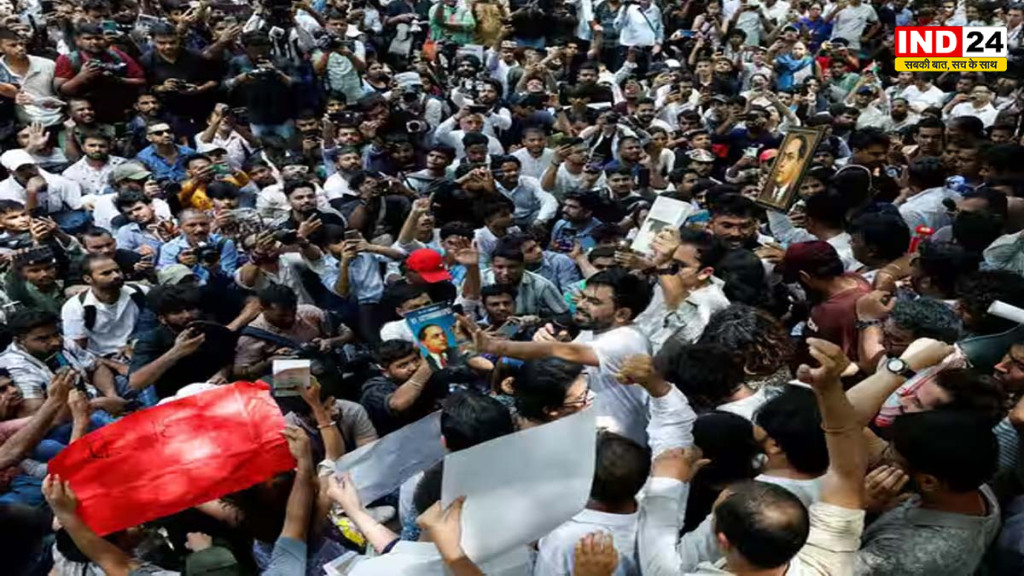
धरना-प्रदर्शनों का नया कारोबार: लोकतंत्र की आड़ में आखिर किसके हित साधे जा रहे हैं?
October 10, 2026
1,612 views

In a significant move, Mallikarjun Kharge, the President of the Indian National Congress, has reached out to Prime Minister Narendra Modi, urging him to convene an all-party meeting to discuss the highly anticipated women's quota bill. This call comes against the backdrop of an ongoing delimitation row, which has raised numerous questions regarding the proper implementation of the bill as well as the overall electoral landscape in India.
The women's quota bill aims to reserve a certain percentage of seats for women in the Lok Sabha and state legislative assemblies. This legislation is seen as a crucial step towards enhancing women's representation in Indian politics. However, Kharge's concerns primarily revolve around the lack of clarity on how this bill will be implemented, particularly in relation to the recent delimitation process.
Delimitation refers to the process of redrawing the boundaries of electoral constituencies. This process can significantly impact political representation, especially for marginalized groups. Kharge has pointed out that the current delimitation exercise may hinder the effective rollout of the women's quota bill. He emphasized the need for transparency in how these changes will affect women's representation and the overall electoral balance.
Another critical issue raised by Kharge is the reliance on the Census data as a baseline for the delimitation process. The last Census took place in 2011, and many states have witnessed significant demographic changes since then. Kharge argues that using outdated data could skew the representation in favor of certain regions while disadvantaging others. He has urged the Prime Minister to consider the need for a new Census before finalizing any delimitation.
As the country gears up for the upcoming elections, Kharge has raised questions about the timing of the delimitation and the women's quota bill. He suggested that the government's approach appears to be politically motivated, potentially aimed at maximizing electoral advantages rather than genuinely promoting women's rights. The Congress leader has called for a collaborative approach among all political parties to ensure that the women's quota is implemented fairly and effectively.
Recognizing the importance of unity in addressing these pressing issues, Kharge's call for an all-party meeting is a strategic move to foster dialogue among political leaders. Such a meeting could provide a platform for discussing the nuances of the women's quota bill, the implications of the delimitation process, and the broader electoral challenges that lie ahead. By engaging with multiple stakeholders, the government can better understand the concerns and suggestions of various political factions.
Mallikarjun Kharge’s proactive stance on the women’s quota bill highlights the urgent need for transparency and inclusivity in Indian politics. As discussions around delimitation and representation continue to evolve, it is imperative for the government to address the concerns raised by opposition leaders. The call for an all-party meeting not only underscores the importance of collective decision-making but also signals a potential shift towards a more equitable political framework for women in India.


Loading more news...
You've reached the end of our news feed. Check back later for more updates!