Health
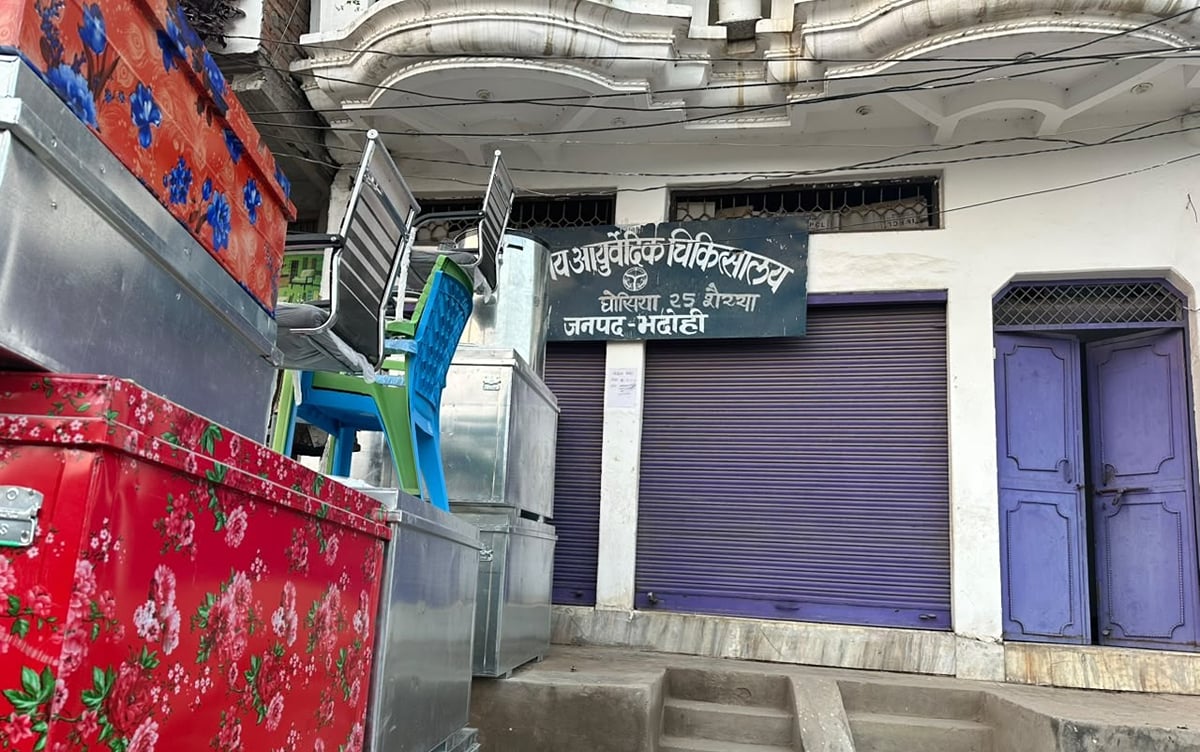
Bhadohi News: 26 में से 25 आयुर्वेद अस्पतालों में मरीजों को भर्ती करने के लिए एक भी बेड नहीं
October 9, 2026
1,115 views

In a significant move to address the ongoing crisis surrounding the availability of essential medicines, the Maharashtra government has issued directives requiring government medical colleges and hospitals to ensure that patients have free access to necessary medications. This decision comes in response to a surge in complaints from patients and their families regarding the unavailability of vital drugs, which have led to increased out-of-pocket expenses and compromised healthcare quality.
The healthcare system in Maharashtra has faced mounting pressure over the past few months, with numerous reports highlighting the struggle of patients to obtain essential drugs. Many individuals have been forced to turn to private pharmacies, often at exorbitant prices, to secure medications that should be readily available in public health facilities. This situation has not only strained the financial resources of patients but has also raised concerns about the overall effectiveness of the public healthcare infrastructure.
In light of these challenges, the Maharashtra government has taken decisive action to mitigate the medicine shortage. The new guidelines stipulate that all government-run hospitals and medical colleges are prohibited from directing patients to private pharmacies for essential medicines. This regulation aims to ensure that patients receive the medications they need without incurring additional costs.
Authorities have identified poor inventory management and a lack of oversight as critical factors contributing to the shortages. To combat these issues, the state government has implemented a series of measures that include:
These steps are designed to enhance the overall efficiency of the public healthcare system and ensure that patients receive the necessary medications without delay.
The imposition of these regulations is expected to have a profound impact on both patients and healthcare providers in Maharashtra. For patients, the assurance of free access to essential medicines can alleviate the financial burden associated with healthcare costs. This measure also aims to restore trust in the public healthcare system, encouraging individuals to seek treatment without fear of incurring excessive expenses.
Healthcare providers, on the other hand, will need to adapt to the new regulations by improving their inventory management practices and ensuring compliance with the government's directives. Hospitals will likely need to invest in better tracking systems and training for staff to manage stock levels effectively and prevent future shortages.
While the government's initiative is commendable, several challenges lie ahead. One major concern is the sustainability of the measures implemented. Ensuring a consistent supply of essential medicines will require ongoing collaboration between government agencies, pharmaceutical suppliers, and healthcare providers. Furthermore, the state must allocate sufficient resources to support these efforts, including funding for procurement and inventory management systems.
Additionally, there may be resistance from certain stakeholders who benefit from the existing system of directing patients to private pharmacies. Addressing these concerns and fostering a cooperative environment will be crucial for the success of the government's initiatives.
As Maharashtra embarks on this ambitious plan to rectify the medicine shortage crisis, it sets a precedent for other states facing similar challenges. The emphasis on transparency and accountability in the healthcare sector is a necessary step toward ensuring that all citizens have access to quality medical care without the burden of excessive costs.
In conclusion, the Maharashtra government's crackdown on medicine shortages represents a pivotal moment in the fight for equitable healthcare. By prioritizing the needs of patients and holding healthcare providers accountable, the state is taking meaningful strides toward building a more resilient and accessible healthcare system for all.
As the implementation of these measures unfolds, it will be critical to monitor their effectiveness and make adjustments as necessary. Stakeholders across the healthcare spectrum must work collaboratively to ensure that the vision of free access to essential medicines becomes a lasting reality for the people of Maharashtra.

Loading more news...
You've reached the end of our news feed. Check back later for more updates!