Politics
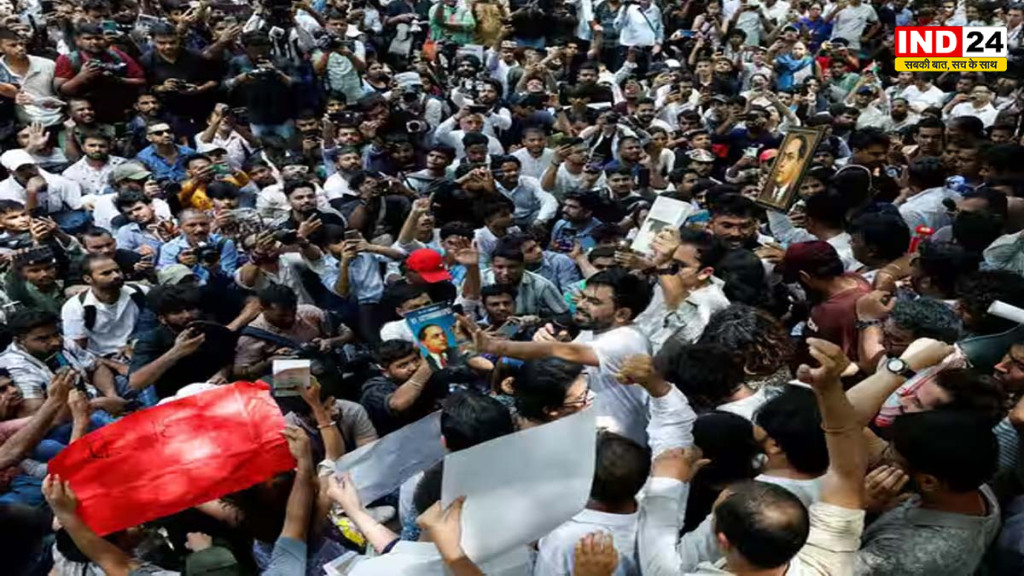
धरना-प्रदर्शनों का नया कारोबार: लोकतंत्र की आड़ में आखिर किसके हित साधे जा रहे हैं?
October 10, 2026
1,612 views

In a shocking revelation, an infrastructure scandal has emerged from Ujjain, Madhya Pradesh, where officials from Setu Nigam have allegedly compromised the integrity of a newly constructed bridge. Reports indicate that the bridge's alignment was altered by a staggering 35 degrees, shifting its position by approximately 100 meters from its originally planned trajectory. This controversial decision has raised eyebrows and sparked outrage among citizens and local activists, who are demanding accountability and transparency from the government.
The bridge, which was intended to facilitate better connectivity and ease traffic congestion in Ujjain, was initially designed to follow a straight path that would minimize disruptions to the surrounding areas. However, as construction progressed, it became apparent that the alignment was changed without any public explanation. Sources suggest that this alteration was made to avoid encroaching on valuable land owned by influential individuals in the region.
The decision to tilt the bridge's design has led to allegations of corruption and collusion between government officials and local landowners. Activists argue that the manipulation of the bridge's alignment is a clear case of favoritism, where public resources are misused to benefit a select few at the expense of the broader community. Transparency in governance has been a long-standing issue in Madhya Pradesh, and this incident has only amplified calls for reform.
The local community has reacted strongly to the news, organizing protests and rallies to demand a thorough investigation into the matter. Residents have expressed their concerns over the potential safety risks associated with the altered bridge design. Engineers and urban planners have warned that such drastic changes could compromise the structural integrity of the bridge, potentially leading to disastrous consequences during heavy rainfall or seismic activity.
In response to the mounting pressure, government officials have stated that the changes were made for engineering reasons, claiming that the new alignment would ensure greater stability and durability of the bridge. However, critics remain unconvinced, arguing that the lack of transparency and public consultation undermines this justification. The absence of clear documentation and engineering assessments further fuels suspicions about the motivations behind the decision.
This incident has broader implications for infrastructure development in Madhya Pradesh. With ongoing projects being scrutinized for potential irregularities, the public's trust in the government is at stake. As infrastructure plays a crucial role in the economic development of the region, ensuring that projects are executed with integrity is paramount. The scandal has ignited debates about the need for stricter regulations and oversight in public works projects to prevent similar occurrences in the future.
As the outcry continues, there are calls for legal action against those involved in the decision-making process. Activists are urging the state government to launch a formal investigation to hold accountable any officials found guilty of misconduct. Legal experts suggest that if evidence of wrongdoing is established, it could lead to serious repercussions, including criminal charges, and might necessitate a complete reevaluation of the project.
The Ujjain bridge scandal serves as a stark reminder of the challenges facing infrastructure development in India, where the intersection of politics, land ownership, and public service often leads to questionable decisions. As citizens rally for accountability, the outcome of this situation could set a precedent for future projects in Madhya Pradesh and beyond. The demand for integrity in public infrastructure is not just about one bridge; it is about ensuring that the needs of the many are prioritized over the interests of the few.


Loading more news...
You've reached the end of our news feed. Check back later for more updates!