
Business
‘Grief Burns Like Fever’: This novel is a flashback of depravity during the surreal pandemic years
October 10, 2026
3,447 views
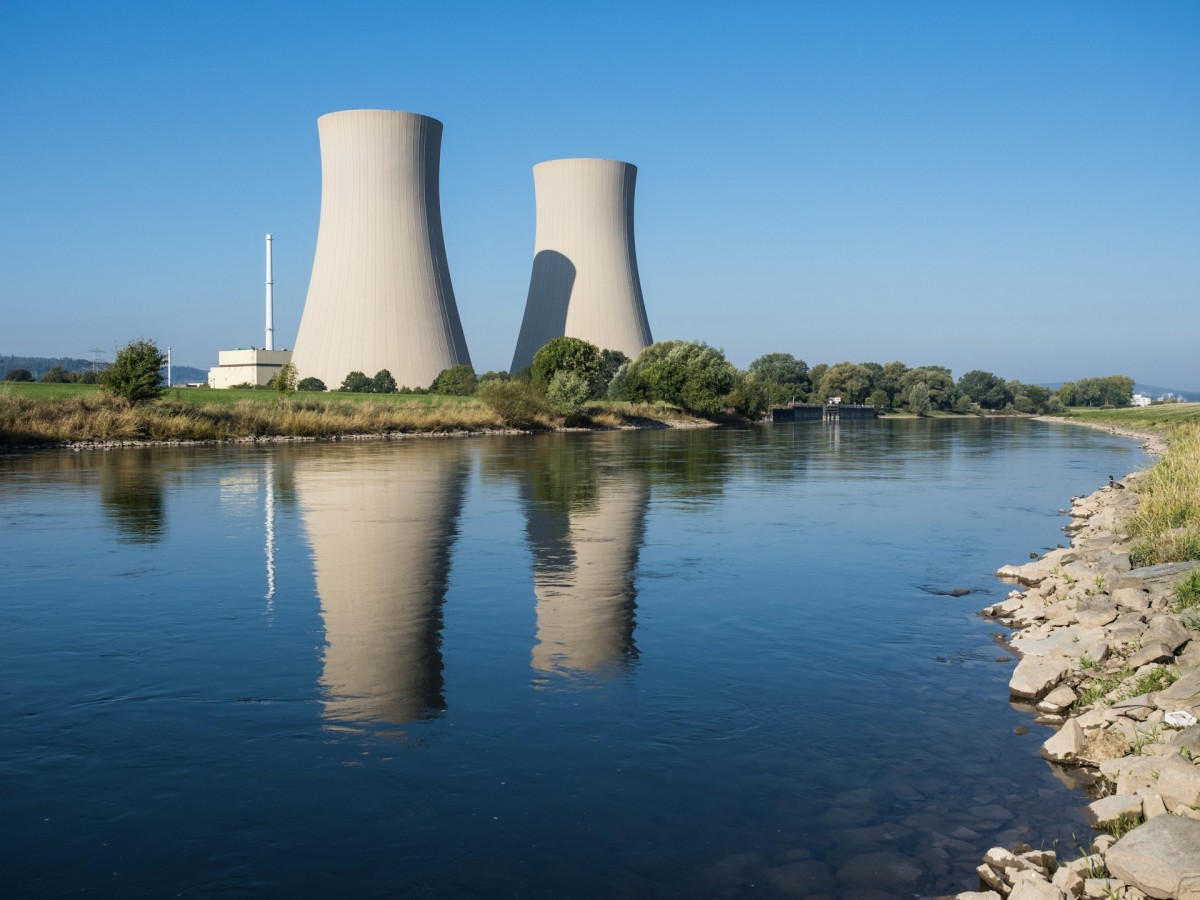
The extreme heat experienced across Europe in recent weeks has caused widespread disruption to nuclear power plants. Governments across the region have been forced to take extraordinary measures to keep nuclear facilities operating, but some are failing to meet their goals, with river levels at record lows. This is expected to have a significant impact on Europe’s GDP, with economic losses in the billions. Europe has endured five heatwaves so far this summer, bringing record temperatures, prolonged drought, and wildfires, with many regions grappling with the consequences of climate change and its impact on energy production.
Nuclear power plants rely heavily on water for cooling, drawing from nearby rivers and lakes to maintain safe operational temperatures. As the temperatures soared, river levels have plummeted, leading to a precarious situation for these facilities. Cooling systems are essential for maintaining the integrity of nuclear reactors, and without sufficient water, plants have had to reduce output or even temporarily shut down. This situation has raised alarms among energy officials, as reduced nuclear output means greater reliance on fossil fuels, which can exacerbate already high carbon emissions during a summer marked by environmental challenges.
Rivers such as the Rhine, Danube, and Loire have reported historically low water levels, leading to significant challenges not just for nuclear plants, but for transportation and agriculture as well. The Rhine, which is a key artery for trade and energy transport, has seen barge traffic severely restricted due to shallow waters. This has led to increased costs and delays in the supply chain, further straining the economy. The low river levels are attributed not only to the current heatwave but also to a lack of rainfall over the preceding months, creating a perfect storm for Europe’s energy infrastructure.
In response to the crisis, several European governments have implemented emergency measures aimed at mitigating the impact on nuclear energy production. These measures include temporary adjustments to regulatory standards, allowing plants to operate at higher temperatures than normally permitted. However, this approach has raised concerns about safety and long-term environmental impacts. Critics argue that while these changes may provide short-term relief, they could set dangerous precedents for the future of nuclear energy in Europe, where safety regulations are typically stringent.
The economic fallout from the cooling crisis is expected to be profound. Analysts predict that the cumulative effect of reduced nuclear output, coupled with increased fossil fuel reliance, could cost Europe billions of euros in lost productivity. Electricity prices are already surging, driven by a combination of high demand and dwindling supply, leaving consumers and businesses facing escalating energy costs. The European Commission has urged member states to collaborate on energy strategies that prioritize sustainability while also ensuring energy security in the face of climatic challenges.
This summer's events have underscored the vulnerabilities of Europe’s energy infrastructure to climate change. As the frequency and intensity of heatwaves increase, the risks associated with nuclear power generation could become more pronounced. Experts warn that without a comprehensive strategy to adapt to these changing conditions, Europe may face a series of energy crises in the coming years. Investment in alternative cooling technologies, alongside a broader transition to renewable energy sources, will be crucial in mitigating future risks.
The ongoing situation serves as a stark reminder of the interconnectedness of climate, energy, and economic policy. As Europe grapples with the immediate challenges posed by low river levels and high temperatures, the long-term implications for energy security and climate resilience are becoming clearer. Stakeholders across the energy sector are being called upon to innovate and adapt, ensuring that Europe’s power generation can withstand the pressures of a warming planet. The urgency of the situation cannot be overstated, as the decisions made today will shape the future of energy in Europe for generations to come.
As the continent navigates this challenging period, the need for a resilient and adaptive energy framework has never been more pressing. The crisis stemming from low river levels and extreme heat is not just a wake-up call for the nuclear industry, but for all sectors reliant on stable energy supplies. By embracing sustainable practices and investing in innovative technologies, Europe can aim to emerge stronger from this crisis, paving the way for a more secure and environmentally friendly energy future.


Loading more news...
You've reached the end of our news feed. Check back later for more updates!