
Entertainment
Faridabad News: रामजन्म से लेकर ताड़का वध तक के प्रसंगों का मंचन
October 9, 2026
669 views
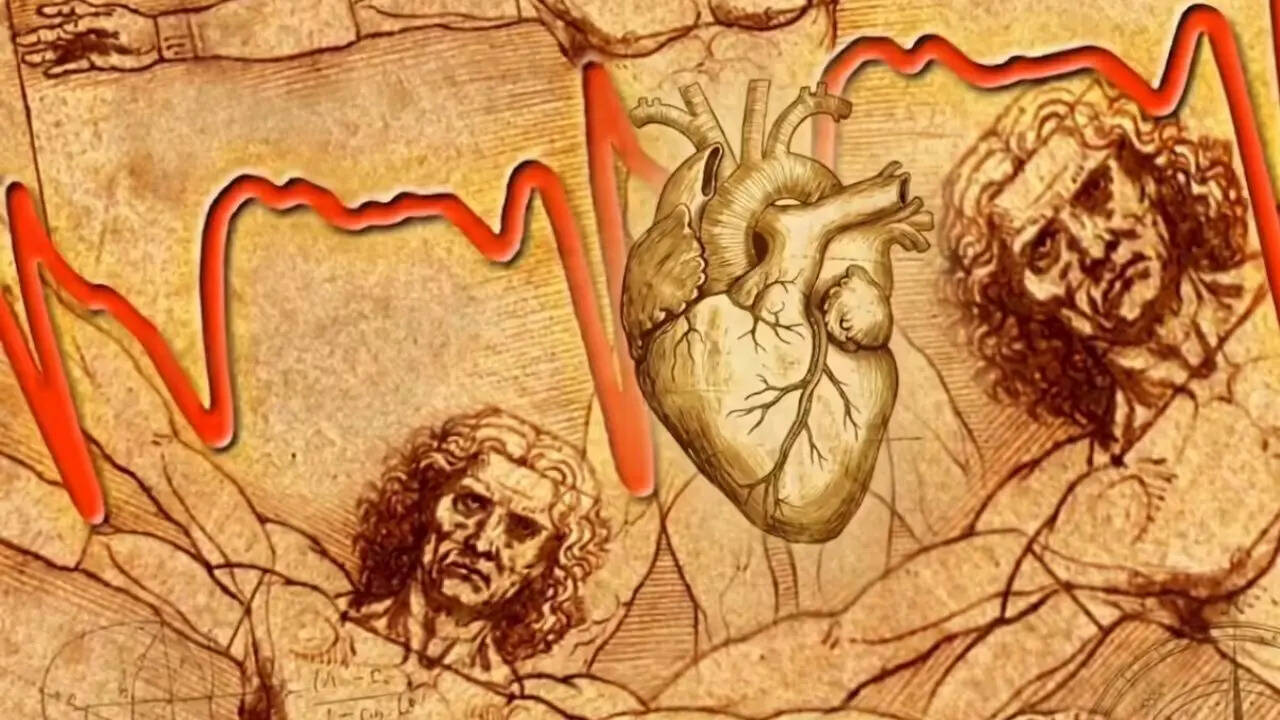
Science News: Leonardo da Vinci was sketching the human body long before modern medicine even existed. One of his more curious drawings focused on the inside of the human heart, a topic that intrigued the polymath for its complexity and beauty. Recently, a team of scientists claims to have unraveled the mystery behind one of Da Vinci's heart sketches, suggesting that it could provide insights into predicting heart disease, a leading cause of death worldwide.
Leonardo Da Vinci, who lived during the Renaissance, was not just an artist; he was also a scientist, engineer, and inventor. His meticulous anatomical drawings have long been celebrated for their detail and accuracy. Among these, the heart sketches stand out as a remarkable achievement that combined art with an early understanding of human physiology. Da Vinci's fascination with the heart was not merely artistic; he sought to understand its function, structure, and significance in the human body.
In a groundbreaking study, researchers from various institutions have analyzed Da Vinci’s heart drawings, employing advanced imaging technologies and computational models. They discovered that the structure depicted by Da Vinci closely resembles the anatomical features involved in certain heart diseases. This correlation suggests that Da Vinci may have unknowingly captured essential aspects of cardiac anatomy that are crucial for understanding contemporary heart conditions.
The implications of this discovery are significant. By understanding the anatomical relationships that Da Vinci highlighted, scientists believe they can develop better predictive models for heart disease. This could lead to earlier diagnosis and more effective treatment strategies, ultimately saving lives. The ability to predict heart disease based on anatomical variations could revolutionize how healthcare providers approach cardiovascular health.
This discovery serves as a reminder of the intricate relationship between art and science. Da Vinci's work exemplifies how creative expression can lead to scientific inquiry and understanding. His drawings were not merely artistic representations; they were investigations into the mysteries of life and the human body. Today, as we delve into the depths of his sketches, we can appreciate how they continue to influence modern science and medicine.
As we reflect on Leonardo Da Vinci's contributions to both art and science, it becomes evident that his legacy extends far beyond the canvas. The recent findings regarding his heart sketches not only celebrate his genius but also pave the way for advancements in understanding and predicting heart disease. This remarkable fusion of history and modern research highlights the timeless relevance of Da Vinci's work and the ongoing quest for knowledge in the field of medicine.


Loading more news...
You've reached the end of our news feed. Check back later for more updates!