The Myth-Busting Guide to Tuberculosis: Separating Fact from Fiction
As we mark World Tuberculosis (TB) Day on March 24th, it's essential to address the misconceptions surrounding this deadly disease. TB, caused by Mycobacterium tuberculosis bacteria, is a highly contagious and potentially fatal condition that affects millions worldwide. In this article, we'll delve into the myths and facts surrounding TB, shedding light on the reality of this disease and promoting awareness among the public.
Myth 1: TB is a thing of the past
Reality: Unfortunately, TB is not a thing of the past. According to the World Health Organization (WHO), there were 10 million new cases of TB reported in 2020, with 1.5 million deaths worldwide. TB is still a significant public health threat, particularly in low- and middle-income countries.
Myth 2: TB is only found in developing countries
Reality: While TB is more prevalent in developing countries, it's not exclusive to these regions. TB can affect anyone, regardless of their nationality or socioeconomic status. In fact, the WHO reports that TB is a growing concern in high-income countries, particularly among marginalized populations.
Myth 3: TB is easily treatable
Reality: While TB is curable with proper treatment, it's not always a straightforward process. TB treatment typically involves a combination of antibiotics taken for at least six months, which can be challenging for patients, especially those with weakened immune systems. Additionally, the disease can relapse if treatment is not completed or if the patient does not adhere to the regimen.
Myth 4: TB is spread through casual contact
Reality: TB is primarily spread through the air when an infected person coughs, sneezes, or talks, releasing TB bacteria into the air. However, casual contact with someone who has TB is unlikely to transmit the disease. In fact, the risk of transmission is higher in enclosed spaces, such as crowded public transportation or poorly ventilated homes.
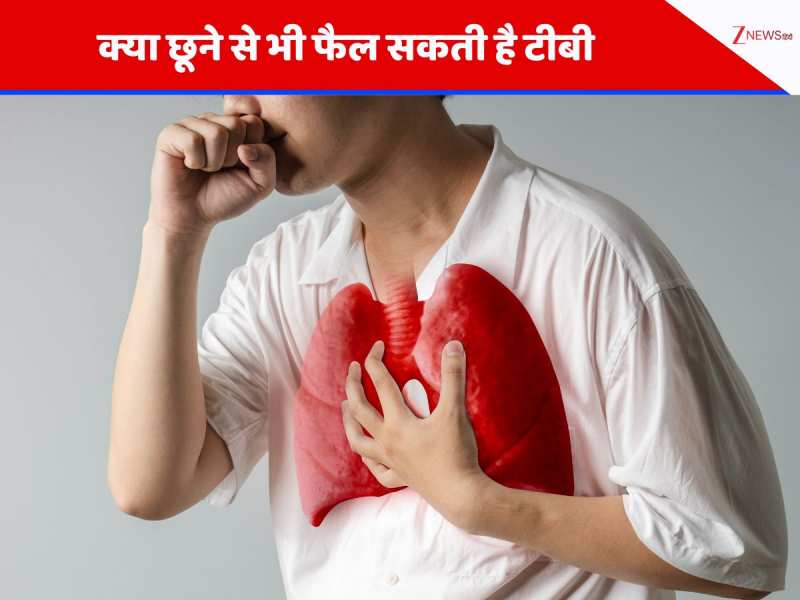
Myth 5: TB can be spread through touch
Reality: This myth may have originated from the fact that TB bacteria can survive on surfaces for several hours. However, the risk of transmission is extremely low, and there is no scientific evidence to support the claim that TB can be spread through touch.
Myth 6: TB is only found in the lungs
Reality: While TB primarily affects the lungs, it can also affect other parts of the body, such as the brain, kidneys, and spine. This is known as extrapulmonary TB, which can be more challenging to diagnose and treat.
Myth 7: TB is a disease of the past for people with HIV
Reality: Unfortunately, this is not true. TB is a significant concern for people living with HIV, as their weakened immune systems make them more susceptible to the disease. In fact, TB is one of the leading causes of death among people with HIV.
Myth 8: TB treatment is the same for all patients
Reality: TB treatment is tailored to each patient's individual needs. The type and duration of treatment depend on various factors, including the patient's age, health status, and the severity of their TB.
Myth 9: TB is a disease of the poor
Reality: While poverty and lack of access to healthcare can contribute to the spread of TB, it's not exclusive to low-income populations. TB can affect anyone, regardless of their socioeconomic status.
Myth 10: There is no cure for TB
Reality: This is a misconception. TB is curable with proper treatment, and the WHO reports that 95% of people with TB can be cured with appropriate treatment. However, the disease can relapse if treatment is not completed or if the patient does not adhere to the regimen.
Conclusion
TB is a complex and multifaceted disease that requires a comprehensive approach to prevention, diagnosis, and treatment. By separating fact from fiction, we can promote awareness and understanding of this deadly disease, ultimately saving lives. As we mark World TB Day, let us remember that TB is a global health threat that requires a collective effort to combat.