
Politics
Bihar: Over 50 held in protest against Mata Sita women’s university
October 10, 2026
1,707 views
Kharg Island, struck by US, is key hub for Iran oil exports
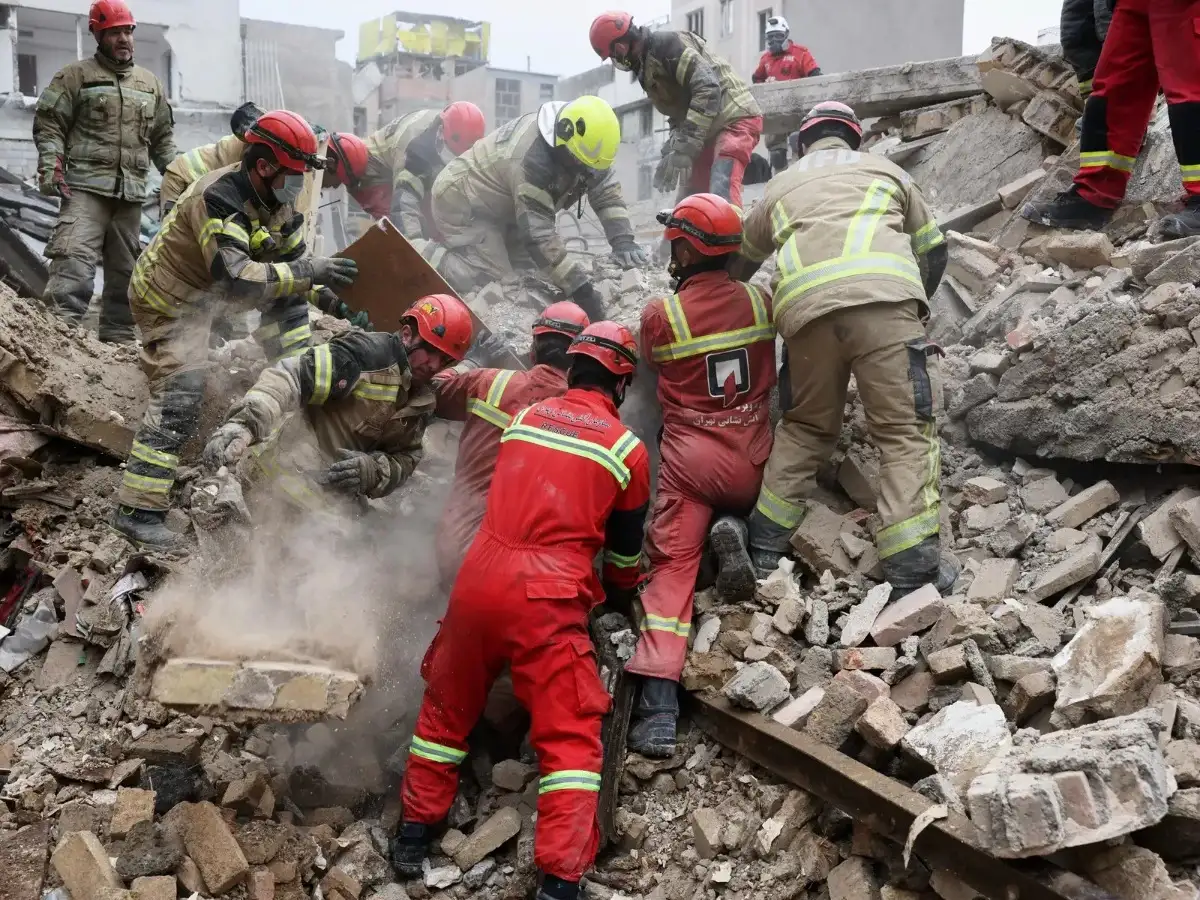
In a significant escalation of military tensions in the Middle East, US forces have launched targeted strikes on military assets located on Iran's Kharg Island. This strategic island plays a crucial role in Iran's oil exports, serving as a key hub for the nation’s crude oil operations. The implications of this military action extend far beyond the immediate conflict, raising serious concerns over potential disruptions in global oil supply chains and the stability of energy markets worldwide.
Kharg Island, situated in the Persian Gulf, is Iran's largest oil terminal and is vital for its export capabilities. Approximately 90% of Iran's oil exports pass through this small yet significant landmass. The island features a network of facilities including pipelines, storage tanks, and loading docks that facilitate the transfer of oil to international markets. Consequently, any military action targeting this infrastructure poses a direct threat not only to Iran's economy but also to global energy stability.
In the wake of the US strikes, global oil markets have reacted with heightened volatility. Investors have expressed growing concerns about potential supply disruptions, leading to fluctuations in oil prices. Brent crude, a major global benchmark, soared in early trading hours following news of the strikes. Market analysts warn that sustained military engagement in the region could push prices even higher, adversely affecting economies that are already grappling with inflation and energy costs.
In response to the US strikes, Iranian officials have issued stern warnings regarding potential repercussions. Iranian military leaders have vowed to retaliate against any energy infrastructure that cooperates with the United States. This includes not only attacks on US assets but also threats against allied nations that continue to engage in oil trade with America. Such rhetoric raises the specter of a broader conflict that could engulf the region, impacting global oil supplies even further.
The situation in Kharg Island is emblematic of broader tensions that have plagued the Middle East for decades. Should military actions escalate, the ripple effects could be felt across various sectors globally. Energy experts suggest that prolonged instability in the region could lead to increased oil prices, affecting consumers and industries reliant on affordable fuel. Countries that depend heavily on oil imports may face significant economic challenges, potentially leading to political unrest.
As the situation develops, markets remain in a state of heightened alert. Traders and analysts are closely monitoring developments, weighing the risks of further military engagement against the potential for diplomatic resolutions. The volatility in oil prices underscores the precarious balance that exists in global energy markets, where even localized conflicts can quickly escalate into worldwide crises.
The military actions on Kharg Island may have lasting implications for energy security not only in the Middle East but around the globe. Nations are beginning to reassess their energy strategies, considering the potential for supply shocks as a result of geopolitical instability. Alternative energy sources and diversification of supply chains are likely to gain renewed focus as countries seek to insulate themselves from market fluctuations driven by conflict.
The US strikes on Kharg Island represent a critical juncture in the ongoing tensions between the United States and Iran. As both nations navigate this precarious landscape, the potential for further military escalation looms large, threatening to destabilize the already volatile energy market. With Iran's warnings of retaliation and the international community's watchful gaze, the future of oil supply and global energy security remains uncertain. Stakeholders across the globe must prepare for the implications that this conflict could bring, as the ramifications of these actions will be felt far and wide.
In these trying times, the importance of diplomacy and dialogue cannot be overstated. A collaborative approach to resolving these tensions may hold the key to restoring stability in the region, ultimately benefiting global energy markets and economies reliant on oil.


Loading more news...
You've reached the end of our news feed. Check back later for more updates!