Politics
धरना-प्रदर्शनों का नया कारोबार: लोकतंत्र की आड़ में आखिर किसके हित साधे जा रहे हैं?
October 10, 2026
1,612 views
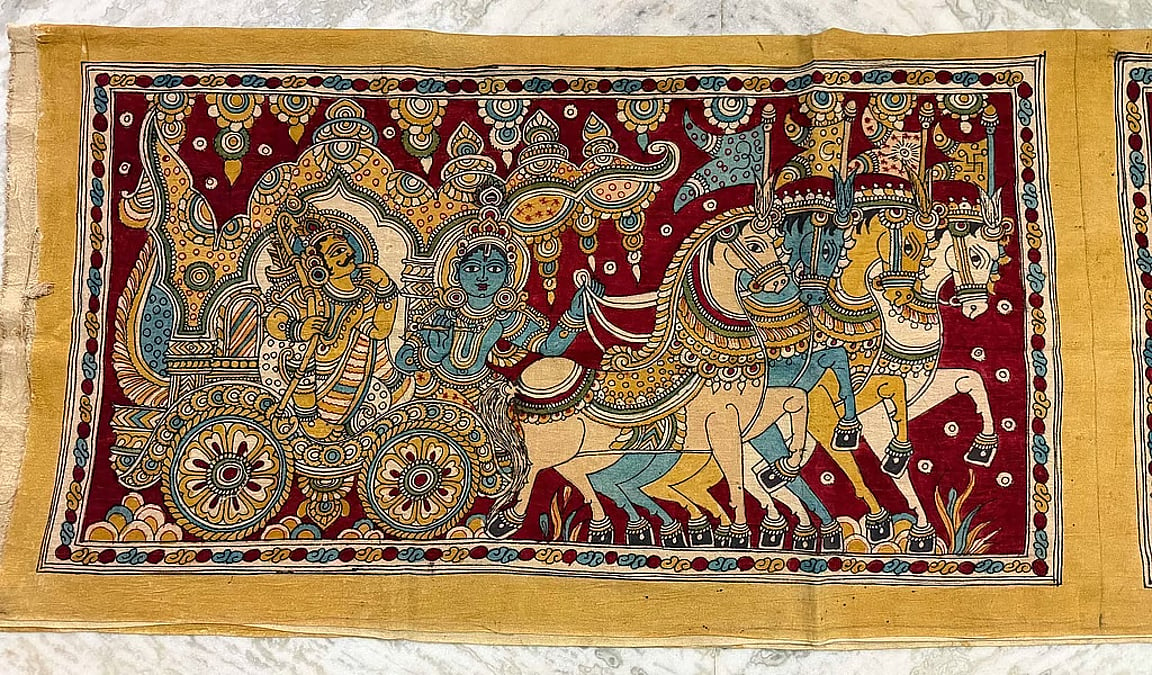
In a significant move towards embracing indigenous art forms, Rashtrapati Bhavan has begun replacing colonial portraits with vibrant Kalamkari artworks that reflect India's rich cultural heritage. This initiative not only aims to celebrate traditional art but also to create a more relatable and inspiring environment in one of the country's most important buildings. President Droupadi Murmu took a personal interest in this transformation, visiting the workspace where the remarkable Nandheeswara portrait was being painted. Her presence and appreciation for the artisans' dedication highlight the importance of this artistic revival.
Kalamkari, a traditional Indian art form that involves hand-painting or block-printing on fabric, has a history that dates back centuries. Originating from Andhra Pradesh, this art form is characterized by its intricate designs and vibrant colors, often depicting mythological narratives, flora, and fauna. The use of natural dyes and organic materials aligns perfectly with contemporary themes of sustainability and environmental consciousness. By incorporating Kalamkari into Rashtrapati Bhavan, the initiative not only promotes local artisans but also revives an art form that is deeply intertwined with India's identity.
The decision to replace colonial portraits with Indian heritage art is a powerful statement about the nation’s evolving identity. For decades, the walls of Rashtrapati Bhavan showcased portraits that often celebrated colonial figures, reflecting a history that many Indians feel disconnected from. This new initiative signifies a shift towards embracing Indian narratives and celebrating the country's diverse heritage. Each piece of art tells a story, inviting visitors to engage with India's past and present in a more meaningful way.
During President Murmu's visit, she observed the meticulous process undertaken by skilled artisans who are passionate about their craft. The Nandheeswara portrait, a stunning representation of the deity, is being painted using traditional methods that have been passed down through generations. Artisans are dedicated to preserving the authenticity of the style while ensuring that the artwork resonates with contemporary audiences. This commitment to quality and tradition is what makes Kalamkari a valuable addition to Rashtrapati Bhavan.
This initiative is not just about transforming the aesthetics of Rashtrapati Bhavan; it has far-reaching implications for the cultural landscape of India. By promoting local art forms, the government is providing a platform for artisans to showcase their skills, thereby contributing to the revival of traditional crafts. This can lead to job creation, increased tourism, and a greater appreciation for India's artistic heritage. Moreover, the presence of Indian art in such a high-profile space sends a strong message about the value of cultural heritage in a globalized world.
The replacement of colonial portraits with Kalamkari art is just the beginning of a broader movement to integrate Indian art into national spaces. As more government institutions begin to recognize the importance of celebrating local culture, we can expect to see an increase in similar initiatives across the country. This shift not only honors the past but also encourages future generations to engage with their cultural heritage and take pride in their identity.
President Droupadi Murmu's visit to the workspace where the Nandheeswara portrait is being painted marks a pivotal moment in India's journey towards cultural reclamation. The infusion of Kalamkari into Rashtrapati Bhavan symbolizes a collective effort to embrace and celebrate Indian heritage while moving away from colonial legacies. As this initiative unfolds, it serves as an inspiration for other institutions to explore and promote the vast array of traditional arts that are an integral part of India’s identity. By doing so, we not only honor our past but also pave the way for a future that values and nurtures our rich cultural landscape.


Loading more news...
You've reached the end of our news feed. Check back later for more updates!