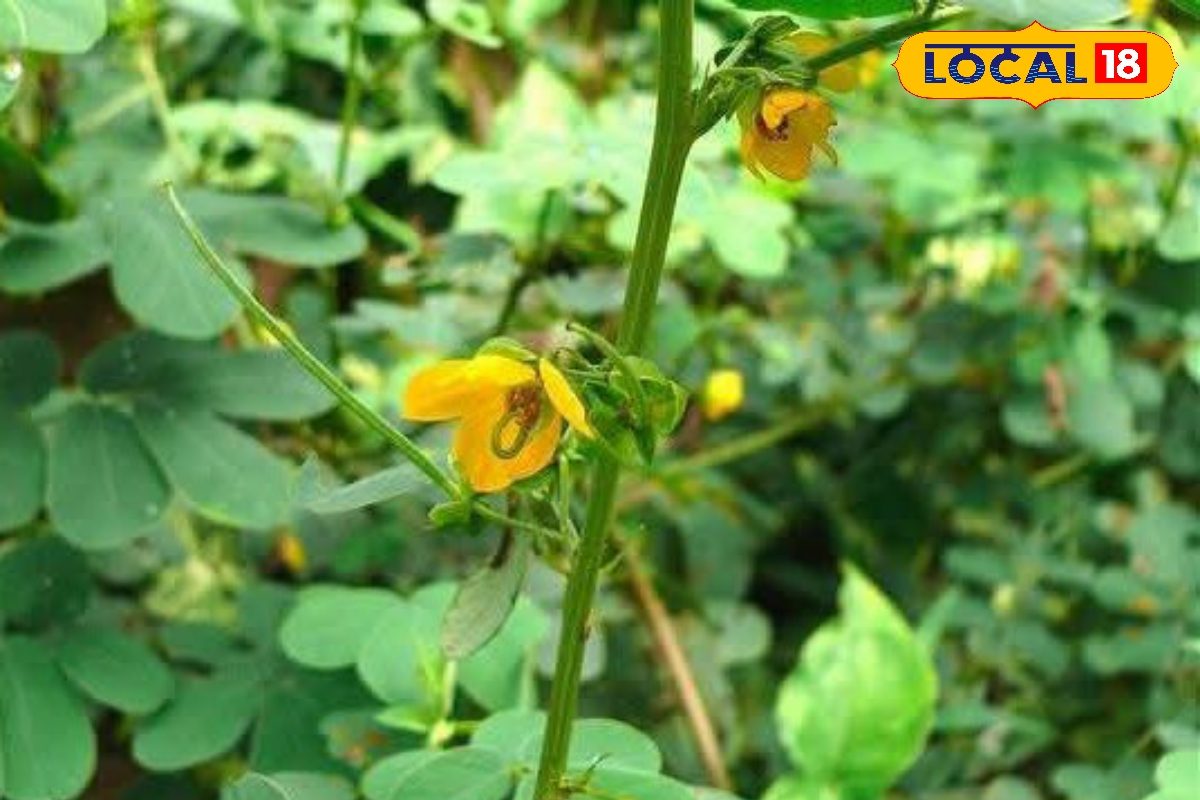
The Miraculous Chakor: A Multifaceted Medicinal Plant Thriving in the Vindhya Region
Introduction: Unveiling Nature\'s Pharmacy in the Heart of India
The Vindhya mountain range, a majestic geological spine stretching across central India, is renowned not only for its breathtaking landscapes and rich biodiversity but also for its hidden treasures of medicinal flora. During the monsoon season, the region transforms into a verdant sanctuary, teeming with a plethora of plants that have been integral to traditional Indian healing practices for centuries. Among these natural wonders, one plant stands out with particular significance: Chakor, a name that resonates with a deep-rooted history in Ayurveda and continues to offer remarkable therapeutic benefits for a wide array of ailments.
Known by various appellations across different regions and languages – Chakoda in local dialects, and Chakramarda in the classical Sanskrit tongue – Chakor is more than just a plant; it is a testament to nature\'s profound pharmacy. Its medicinal properties are not confined to a single part of the plant; rather, from its roots to its flowers, every component is imbued with potent healing qualities. This article delves deep into the multifaceted medicinal potential of Chakor, exploring its traditional uses, scientific validation, and expert endorsements, painting a comprehensive picture of this extraordinary botanical asset.
Understanding Chakor: Botanical Identity and Traditional Significance
Chakor, scientifically classified as *Cassia tora* or *Senna tora*, belongs to the Fabaceae family, commonly known as the legume family. It is an herbaceous annual plant that thrives in warm climates and is often found growing wild in tropical and subtropical regions, particularly in India, Nepal, and parts of Africa. In the context of the Vindhya region, its natural proliferation during the monsoon months makes it readily accessible for local communities who have long harnessed its therapeutic power.
The plant itself is characterized by its vibrant green, compound leaves, which are typically pinnately divided. Its flowers are a striking yellow, often appearing in clusters, and are followed by long, slender pods containing numerous seeds. The entire plant, including its roots, leaves, flowers, and seeds, has been historically recognized for its medicinal properties.
The use of Chakor in Ayurvedic medicine is not a recent development. Ancient Ayurvedic texts mention its efficacy in treating a variety of diseases, highlighting its role as a detoxifier, anti-inflammatory agent, and antimicrobial compound. This rich legacy of traditional knowledge forms the bedrock of our understanding of Chakor\'s therapeutic potential, which is increasingly being corroborated by modern scientific research.
Expert Insights: Dr. Vipin Singh on the Therapeutic Virtues of Chakor
To gain a deeper understanding of Chakor\'s medicinal applications, we turn to the expertise of Dr. Vipin Singh, an esteemed Ayurvedic Medical Officer. Dr. Singh has extensive experience in traditional Indian medicine and has witnessed firsthand the efficacy of Chakor in treating various health conditions. His insights provide a crucial bridge between ancient wisdom and contemporary understanding, validating the plant\'s enduring relevance.
According to Dr. Singh, Chakor is a highly beneficial plant with remarkable properties that can address a spectrum of health issues. He emphasizes its particular effectiveness in managing diabetes (sugar), cough, throat infections, and a range of skin diseases. His clinical observations and knowledge of Ayurvedic principles underscore the plant\'s comprehensive healing capabilities.
Chakor\'s Benefits Unveiled: A Deep Dive into Specific Ailments
Let us now explore the specific health benefits of Chakor as articulated by Dr. Singh and supported by traditional knowledge:
1. Respiratory Health: A Boon for Coughs and Colds
The monsoon season, while bringing much-needed respite from the heat, also ushers in a rise in respiratory ailments. Chakor emerges as a potent ally in combating these issues, particularly coughs and throat infections.
* Cough Relief: Dr. Singh highlights the efficacy of a decoction prepared from Chakor leaves in providing relief from phlegm-laden coughs. The mucilaginous properties of the leaves, when brewed, can help to loosen and expel mucus from the respiratory tract, thereby alleviating congestion and facilitating easier breathing. The anti-inflammatory and bronchodilatory effects of the plant\'s active compounds further contribute to its effectiveness in soothing irritated airways.
* Persistent Cough and Cold: For individuals suffering from persistent cough or cold, the juice extracted from Chakor leaves is recommended by Dr. Singh. Regular consumption of this juice can help to strengthen the immune system, reduce inflammation in the respiratory passages, and accelerate the healing process. The antiviral and antibacterial properties of Chakor can also play a role in combating the underlying infections that often cause these symptoms.
* Throat Infections and Swelling: The onset of a sore throat, characterized by swelling and infection, can be effectively managed with Chakor. The plant\'s antimicrobial and anti-inflammatory properties make it an excellent remedy for soothing an irritated throat and combating the pathogens responsible for the infection. Gargling with a decoction of Chakor leaves or consuming the leaf juice can provide significant relief.
2. Dermatological Disorders: A Natural Antidote for Skin Ailments
Skin diseases, often characterized by itching, redness, and inflammation, have plagued humanity for ages. Chakor, with its potent antifungal, antibacterial, and anti-inflammatory properties, has long been a trusted remedy in traditional medicine for a variety of dermatological concerns.
* Ringworm, Itching, and Rashes: Dr. Singh specifically mentions the effectiveness of Chakor seeds and leaves in treating ringworm (dad), itching (khujli), and rashes. The application of a paste made from ground Chakor seeds mixed with curd (dahi) to the affected area is a time-tested remedy. The seeds contain compounds that exhibit potent antifungal and antibacterial activity, which can effectively combat the microorganisms responsible for ringworm and other skin infections. The curd acts as a soothing base, providing a cooling effect and further reducing inflammation and itching.
* Other Skin Conditions: Beyond these specific ailments, the broader antimicrobial and anti-inflammatory properties of Chakor suggest its potential in managing other skin conditions like eczema, psoriasis, and acne. Further research may explore these applications in greater detail.
3. Diabetes Management: A Natural Ally for Blood Sugar Control
The rising prevalence of diabetes globally necessitates the exploration of natural and effective ways to manage blood sugar levels. Chakor offers a promising avenue in this regard, with its leaves and seeds being recognized for their potential hypoglycemic effects.
* Hypoglycemic Properties: Dr. Singh states that the juice of Chakor leaves and seeds is beneficial for individuals suffering from diabetes (sugar). While the exact mechanisms are still under investigation, it is believed that certain compounds in Chakor may help to improve insulin sensitivity, enhance glucose uptake by cells, or inhibit the enzymes involved in carbohydrate digestion. This can lead to a reduction in blood glucose levels, making it a valuable adjunct therapy for diabetes management.
* Traditional Use and Modern Validation: The traditional use of Chakor for managing blood sugar levels is now being supported by preliminary scientific studies. Research has indicated the presence of bioactive compounds in Chakor that possess antioxidant and anti-inflammatory properties, which are often beneficial for individuals with diabetes, as these conditions are frequently associated with oxidative stress and chronic inflammation.
Beyond the Highlighted Benefits: Exploring Further Potential
While Dr. Singh has pinpointed several key applications of Chakor, the plant\'s therapeutic repertoire extends further. Traditional knowledge and preliminary research suggest potential benefits in other areas as well:
* Digestive Health: Chakor is traditionally used to improve digestion and relieve constipation. Its fibrous nature and potential laxative properties can aid in promoting regular bowel movements.
* Liver Health: Some traditional practices suggest that Chakor can help in detoxification and support liver function. Its antioxidant properties might contribute to protecting liver cells from damage.
* Wound Healing: The antimicrobial and anti-inflammatory properties of Chakor may also be beneficial in promoting the healing of wounds and preventing infections.
* Anti-inflammatory Effects: The plant\'s inherent anti-inflammatory properties can be beneficial in managing various inflammatory conditions beyond those affecting the skin and respiratory system.
Scientific Validation and Future Research
While traditional knowledge provides a rich foundation, modern scientific research is crucial for validating and understanding the pharmacological basis of Chakor\'s medicinal properties. Several studies have been conducted on *Cassia tora*, exploring its chemical composition and biological activities.
* Phytochemical Analysis: Research has identified various bioactive compounds in Chakor, including flavonoids, anthraquinones, and phenolic acids. These compounds are believed to be responsible for its therapeutic effects. For instance, certain anthraquinones found in *Cassia* species are known for their laxative properties, while flavonoids are recognized for their antioxidant and anti-inflammatory activities.
* Pharmacological Studies: Preliminary studies have demonstrated the antimicrobial, antifungal, anti-inflammatory, antioxidant, and hypoglycemic activities of Chakor extracts and isolated compounds in laboratory settings and animal models. These findings lend scientific credence to its traditional uses.
* Areas for Further Research: Despite the promising findings, there is a need for more rigorous and extensive research, including well-designed clinical trials in humans, to confirm the efficacy and safety of Chakor for specific conditions. Further research can also focus on:
* Identifying the precise active compounds responsible for each therapeutic effect.
* Determining optimal dosages and administration methods.
* Investigating potential drug interactions and contraindications.
* Exploring its potential in treating other neglected tropical diseases.
Responsible Harvesting and Sustainable Utilization
As with any natural resource, the sustainable harvesting and responsible utilization of Chakor are paramount to ensure its continued availability for future generations.
* Identification: It is crucial to correctly identify Chakor, as several plants can appear similar. Misidentification can lead to the use of ineffective or even harmful plants. Consulting with local herbalists or botanists is recommended.
* Harvesting Practices: When harvesting from the wild, it is essential to do so in a way that does not deplete the natural population. This includes:
* Taking only what is needed.
* Avoiding over-harvesting of specific parts.
* Allowing plants to regenerate.
* Harvesting at the appropriate time of year for maximum potency.
* Cultivation: For commercial or widespread use, cultivation of Chakor can be a more sustainable approach, reducing pressure on wild populations.
* Traditional Knowledge Preservation: The knowledge surrounding the use of Chakor is often passed down through generations. Efforts should be made to document and preserve this invaluable traditional knowledge.
Conclusion: Embracing the Healing Power of Chakor
The Chakor plant, a humble yet powerful botanical resident of the Vindhya region, stands as a testament to the profound healing potential that lies within nature. From alleviating the discomfort of persistent coughs and throat infections to offering relief from stubborn skin ailments and potentially aiding in the management of diabetes, its applications are remarkably diverse. The wisdom of ancient Ayurvedic practices, coupled with the insights of modern practitioners like Dr. Vipin Singh, continues to illuminate the multifaceted benefits of this extraordinary plant.
As we continue to explore and understand the intricate pharmacological properties of Chakor, it is imperative that we approach its use with respect, wisdom, and a commitment to sustainability. By embracing the healing power of Chakor, we not only tap into a natural remedy for a range of health concerns but also honor the rich heritage of traditional medicine and the enduring wisdom of the natural world. The Vindhya region\'s Chakor is more than just a plant; it is a gift from nature, waiting to be understood, cherished, and utilized for the well-being of humanity.