Politics
धरना-प्रदर्शनों का नया कारोबार: लोकतंत्र की आड़ में आखिर किसके हित साधे जा रहे हैं?
October 10, 2026
1,612 views
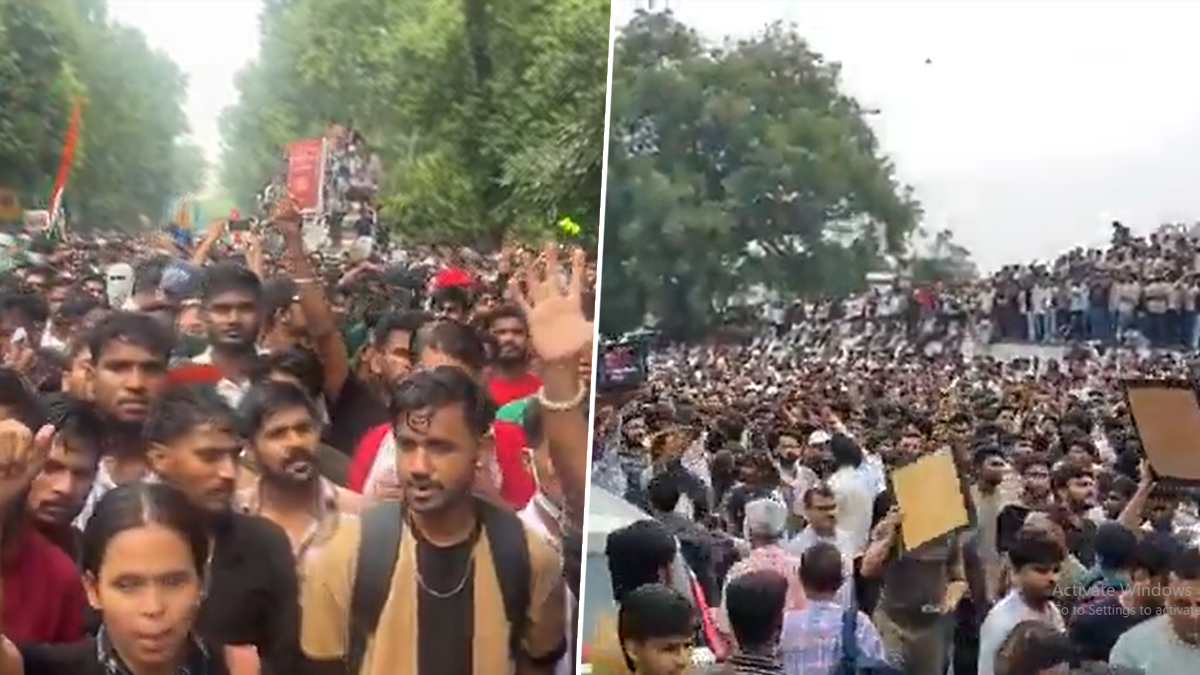
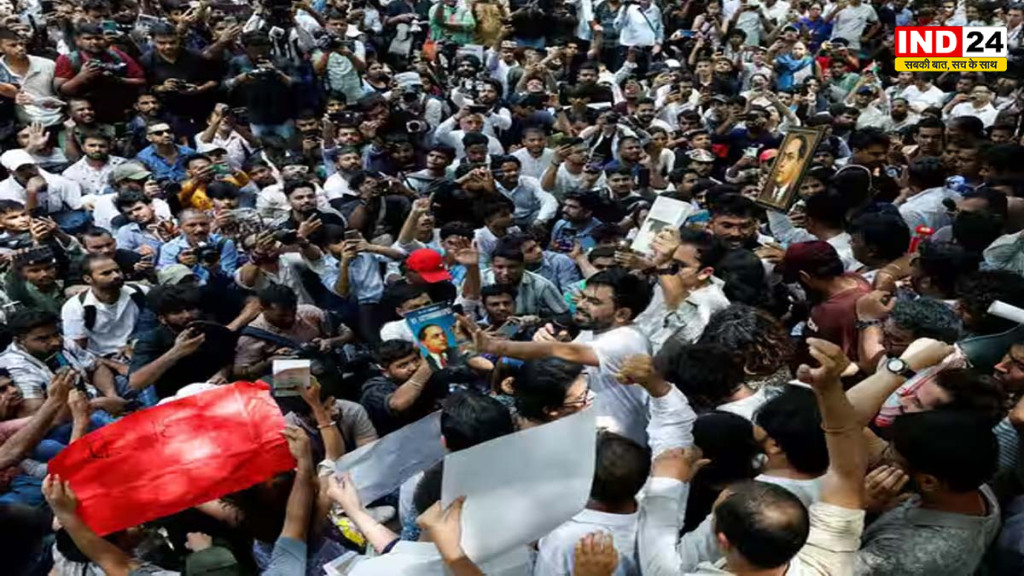
On a day marked by heightened tensions and fervent activism, the CJP (Citizens for Justice and Peace) organized a significant protest at Jantar Mantar aimed at drawing attention to pressing social issues. The protest, which was accompanied by a 'Sansad Chalo' march towards the Parliament, witnessed clashes with police as protesters attempted to breach barricades. The situation escalated quickly, leading to confrontations that saw numerous detentions and a strong police presence aimed at maintaining order.
The CJP has been at the forefront of advocating for justice and equality in India. The protest was aimed not only at raising awareness about specific issues but also at holding the government accountable for its actions. The organizers had anticipated a large turnout, and as the day progressed, it became evident that the enthusiasm of the participants was met with a robust police response.
As the protesters began their march towards the Parliament, they were met with a series of barricades set up by the police to prevent them from advancing. This led to a chaotic scene, with protesters pushing against the barricades and police attempting to maintain control. Witnesses reported that the atmosphere quickly shifted from peaceful demonstration to a scene of unrest, with both sides facing off in an increasingly volatile situation.
Among the notable figures at the protest was Sonam Wangchuk, a renowned engineer and education reformist, who sought permission to join the march. His involvement highlights the cross-section of various movements and personalities coming together to support the cause advocated by the CJP. Wangchuk's presence was significant, given his previous activism and commitment to social justice.
In an interesting turn of events, the Delhi High Court intervened by requesting medical reports concerning Wangchuk, which raised questions about his health and his ability to participate in the protest. This development added another layer of complexity to an already tense situation, as supporters rallied to show their solidarity with him.
The public reaction to the events at Jantar Mantar has been mixed, with some praising the CJP for their courage and determination to speak out against injustices, while others criticized the protest as a disruption to public order. Social media platforms have been abuzz with discussions surrounding the protest, showcasing a range of opinions and sentiments from different sections of society.
As the dust settles on this significant day of activism, questions remain about the future trajectory of the movement led by the CJP and its allies. The events at Jantar Mantar may serve as a catalyst for further action, inspiring more individuals to engage in advocacy and protest. The convergence of diverse activists under the CJP banner suggests that there is a growing coalition of voices demanding change, which could have far-reaching implications for the political landscape in India.
The CJP has indicated that they plan to continue their efforts to mobilize support and raise awareness about the issues at hand. As such, the protest at Jantar Mantar could be seen as just the beginning of a larger movement aimed at fostering justice and equality in the country.
The events surrounding the Jantar Mantar protest have highlighted the dynamic and often contentious relationship between activists and law enforcement in India. As the CJP and its supporters regroup and plan their next steps, it remains to be seen how this protest will influence the broader conversation about justice and governance in the nation. The resilience of the protesters, coupled with the growing public discourse on these issues, suggests that the fight for justice is far from over.


Loading more news...
You've reached the end of our news feed. Check back later for more updates!