Unveiling the Secrets of the 2,500-Year-Old "Mini Warriors"
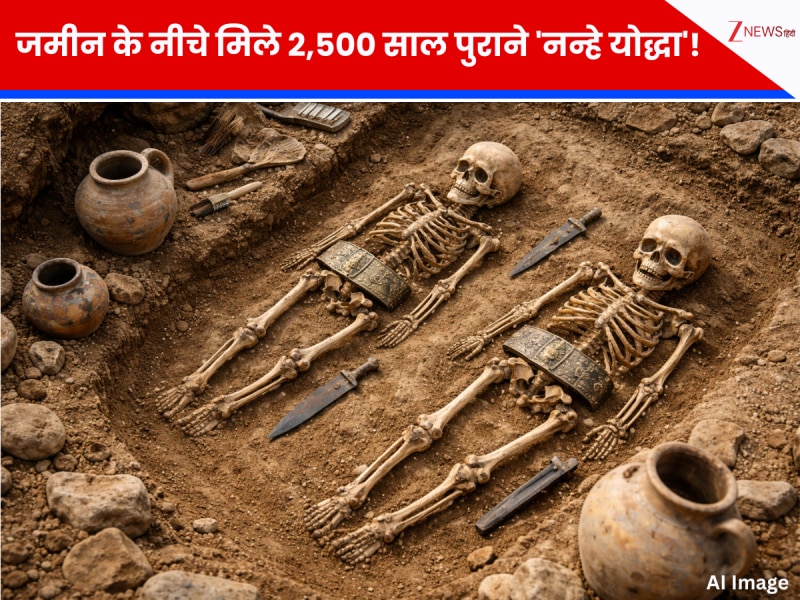
In a groundbreaking discovery, archaeologists in Italy's Abruzzo region have unearthed the remains of children, aged between 5-7 years old, who were buried with bronze belts and weapons, sparking a new chapter in the annals of history. The findings have sent shockwaves through the archaeological community, leaving scientists scrambling to unravel the mysteries surrounding these "mini warriors."
The Discovery
The discovery was made during an excavation at the Acquasanta site in Abruzzo, a region known for its rich archaeological heritage. The site, which dates back to the Iron Age, has yielded numerous artifacts, including tools, pottery, and jewelry. However, the recent discovery of the children's remains has generated significant interest, given the unusual burial practices and the questions it raises about the culture and customs of the time.
The Children's Burial
The remains of the children were found in a group of 12 tombs, each containing a small skeleton, dressed in a bronze belt and adorned with weapons, such as short swords and spears. The children's bodies were arranged in a specific position, with their arms crossed over their chest, suggesting a deliberate and intentional burial ritual. The discovery has sparked debate among archaeologists, with some speculating that the children were buried as warriors, while others believe they may have been part of a ritual or ceremonial practice.
The Significance
The discovery of the "mini warriors" has significant implications for our understanding of ancient cultures and societies. The fact that children were buried with weapons and bronze belts suggests a level of sophistication and complexity in the culture, which was previously unknown. The discovery also raises questions about the role of children in ancient societies, particularly in relation to warfare and burial practices.
The Scientific Analysis
To better understand the significance of the discovery, scientists are conducting a range of analyses, including radiocarbon dating, isotopic analysis, and DNA sequencing. These tests will help to determine the age of the remains, as well as the diet and lifestyle of the children. The analysis will also provide insights into the cultural and social practices of the time, including the significance of the bronze belts and weapons.
Theories and Speculations
While the discovery has generated significant interest, there are still many unanswered questions. Some archaeologists believe that the children may have been part of a warrior cult, where they were trained to fight and were buried with their weapons as a symbol of their status. Others speculate that the children may have been sacrificed as part of a ritual or ceremonial practice.
Conclusion
The discovery of the "mini warriors" in Abruzzo, Italy, has sent shockwaves through the archaeological community, offering a glimpse into the lives of ancient cultures and societies. While the significance of the discovery is still being debated, it is clear that the finding has the potential to rewrite the history books and challenge our understanding of the past. As scientists continue to analyze the remains and uncover the secrets of the "mini warriors," we are reminded of the importance of preserving our cultural heritage and the mysteries that lie beneath our feet.
Nishkarsh:
The discovery of the "mini warriors" in Abruzzo, Italy, is a significant find that has the potential to rewrite the history books and challenge our understanding of the past. The discovery has sparked a range of theories and speculations, from the possibility of a warrior cult to the idea that the children were sacrificed as part of a ritual or ceremonial practice. As scientists continue to analyze the remains, we are reminded of the importance of preserving our cultural heritage and the mysteries that lie beneath our feet.