
Politics
Bihar: Over 50 held in protest against Mata Sita women’s university
October 10, 2026
1,707 views
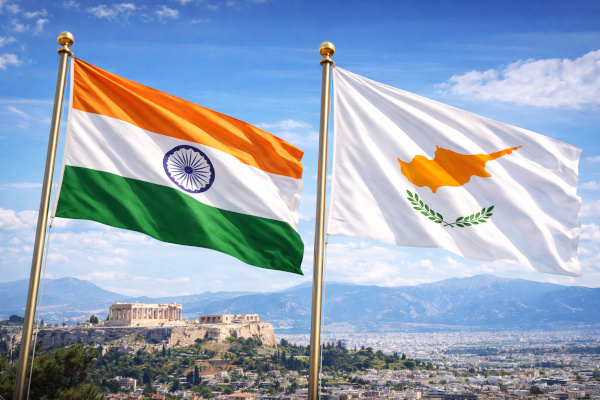
In recent years, India's foreign policy has seen a significant pivot towards the Mediterranean region, with the recent meeting of External Affairs Minister S. Jaishankar in Cyprus being a notable indicator of this trend. The meeting follows the state visit of President Christodoulides of Cyprus to India from 20 to 23 May 2026, which marked a pivotal moment in the bilateral ties between the two nations. During this visit, the two countries elevated their Comprehensive Partnership to a Strategic Partnership, reflecting a shift from traditional goodwill to a more structured, results-oriented relationship.
The Mediterranean Sea has historically been a crossroads of cultures, economies, and political influences. For India, enhancing its presence in this region is not merely about expanding diplomatic ties; it involves securing economic interests, fostering trade routes, and strengthening alliances that can contribute to regional stability. The Mediterranean is increasingly viewed as a vital area for enhancing energy security, combating terrorism, and addressing the challenges posed by climate change.
India and Cyprus have a long-standing relationship rooted in cultural exchanges and mutual respect. However, recent developments suggest a deeper commitment to collaboration. The elevation to a Strategic Partnership indicates that both nations are ready to engage more deeply on various fronts, including defense, trade, technology, and cultural exchange. This cooperation is crucial as both countries face common challenges, such as economic recovery post-pandemic and security threats in their respective regions.
The strategic importance of Cyprus cannot be overstated. Located at the crossroads of Europe, Asia, and Africa, Cyprus serves as a gateway for India to engage with European nations more effectively. The island nation is also a member of the European Union, which opens up avenues for India to negotiate trade agreements and participate in EU-led initiatives. This could potentially bolster India's economic interests and enhance its influence in European affairs.
The economic ties between India and Cyprus are poised for growth. With the establishment of the Strategic Partnership, both nations are looking to boost trade and investment. The potential for collaboration in sectors such as information technology, pharmaceuticals, and renewable energy is vast. India has a robust IT sector, and Cyprus offers a favorable business environment for tech companies. Moreover, the Mediterranean's emphasis on sustainable energy aligns well with India's own renewable energy goals, creating opportunities for joint ventures and technology sharing.
Energy security is a crucial component of the India-Cyprus partnership. With Cyprus emerging as a player in the eastern Mediterranean energy landscape, India can explore partnerships in oil and gas exploration and renewable energy projects. This collaboration is essential for diversifying India's energy sources and reducing reliance on traditional energy imports. Furthermore, as both countries are committed to achieving their climate goals, the transition to renewable energy sources can be an area of mutual benefit.
Beyond economic and strategic interests, the India-Cyprus relationship also emphasizes cultural and educational exchanges. The Indian diaspora in Cyprus plays a vital role in fostering people-to-people connections, while initiatives such as student exchange programs and cultural festivals can enhance mutual understanding and respect. The promotion of language and cultural studies can further deepen ties, ensuring that the relationship is not just transactional but also rooted in shared values and experiences.
In the context of geopolitics, India’s engagement with Cyprus also reflects its broader strategy of countering China's growing influence in the Mediterranean and beyond. By strengthening ties with Cyprus, India is effectively positioning itself as a counterbalancing force in the region. This strategic alignment not only enhances India’s geopolitical footprint but also reassures its partners of its commitment to maintaining a multipolar world order.
Looking ahead, the prospects for India-Cyprus relations appear bright. The recent meetings and agreements signal a commitment to building a robust partnership that can withstand the vicissitudes of international politics. Both nations must capitalize on this momentum by establishing clear frameworks for cooperation and regularly engaging at various levels of governance. The ongoing dialogue between the two countries will be crucial in navigating the complexities of the global landscape and ensuring mutual benefits.
In summary, Jaishankar’s meeting in Cyprus is a clear indication of India’s expanding strategy in the Mediterranean region. The elevation of the India-Cyprus relationship to a Strategic Partnership marks a new chapter that promises to yield significant benefits for both nations. As India continues to assert its influence on the global stage, its engagement with Cyprus is a model for how nations can collaborate to address common challenges while pursuing shared interests in a rapidly evolving world.


Loading more news...
You've reached the end of our news feed. Check back later for more updates!