
Science
Henri Kagan wins Nobel Prize at 95: Check out his contributions to chemistry and pharmacy
October 9, 2026
2,834 views
ISRO\'s CE20 Cryogenic Engine passes 22-tonne thrust test, boosts LVM3 capability for future mission
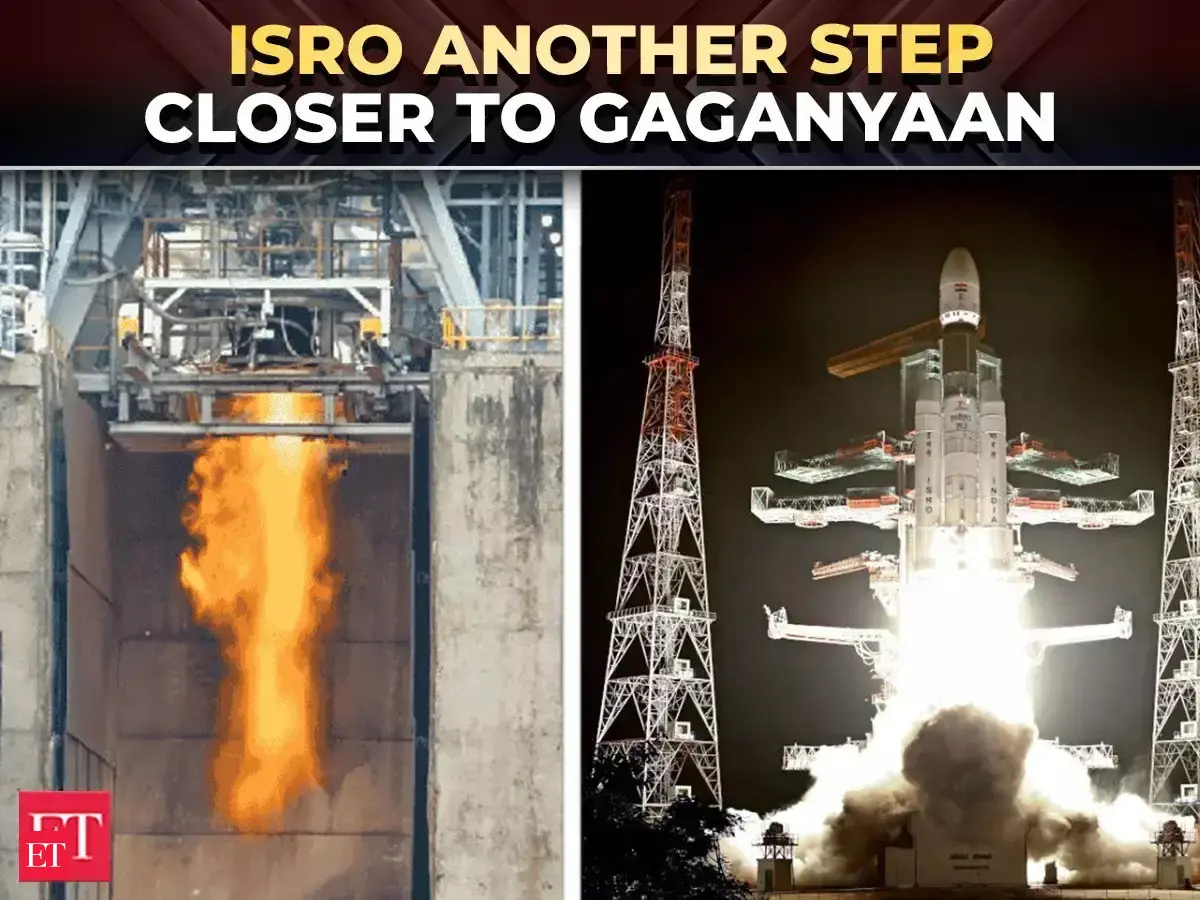
In a significant milestone for India's space exploration endeavors, the Indian Space Research Organisation (ISRO) has successfully tested its CE20 cryogenic engine, achieving an impressive thrust of 22 tonnes. This achievement marks a crucial step forward in enhancing the capabilities of the LVM3 (Launch Vehicle Mark-3), which is set to play a pivotal role in upcoming missions, including lunar and interplanetary explorations.
The CE20 engine, which operates on a combination of liquid oxygen and liquid hydrogen, is designed to provide a higher thrust-to-weight ratio crucial for launching heavier payloads into orbit. This latest test is part of ongoing efforts to refine the engine's performance and reliability, ensuring it meets the rigorous demands of future space missions.
With the successful test, ISRO is poised to enhance its operational capability significantly. The LVM3 vehicle, equipped with the CE20 engine, is expected to facilitate a series of ambitious missions, including the Gaganyaan program, India's first manned space mission, and potential interplanetary missions targeting Mars and beyond. The increased thrust capacity allows ISRO to consider heavier payloads and more complex mission profiles.
ISRO's advancements in cryogenic technology have positioned India as a competitive player in the global space sector. The CE20 engine incorporates innovations that enhance fuel efficiency and reduce operational costs, making it a key asset in an era where budget constraints are paramount in space exploration. These technological strides not only benefit India's goals but also contribute to the broader scientific community, as collaboration on such technologies becomes increasingly crucial.
The announcement of the successful test has generated significant excitement among the Indian public and the global space community. Many view ISRO's achievements as a source of national pride, reflecting India's growing expertise in space technology. Social media platforms have been abuzz with discussions, hashtags like ISRO and CE20Success trending as enthusiasts share their thoughts on the implications of this technological breakthrough.
The successful thrust test of the CE20 cryogenic engine is a testament to ISRO's relentless pursuit of excellence in space technology. As the organization gears up for its future missions, the advancements showcased in this engine will undoubtedly play a crucial role in shaping the trajectory of India's space exploration efforts. With plans for manned missions and interplanetary explorations on the horizon, the significance of this achievement cannot be overstated. As ISRO continues to innovate and push the boundaries of space technology, the world watches with keen interest.
This article was updated on October 2023. Stay tuned for more updates on ISRO's exciting journey in space exploration.


Loading more news...
You've reached the end of our news feed. Check back later for more updates!