
Science
Henri Kagan wins Nobel Prize at 95: Check out his contributions to chemistry and pharmacy
October 9, 2026
2,834 views
ISRO\'s CE20 Cryogenic Engine passes 22-tonne thrust test, boosts LVM3 capability for future mission
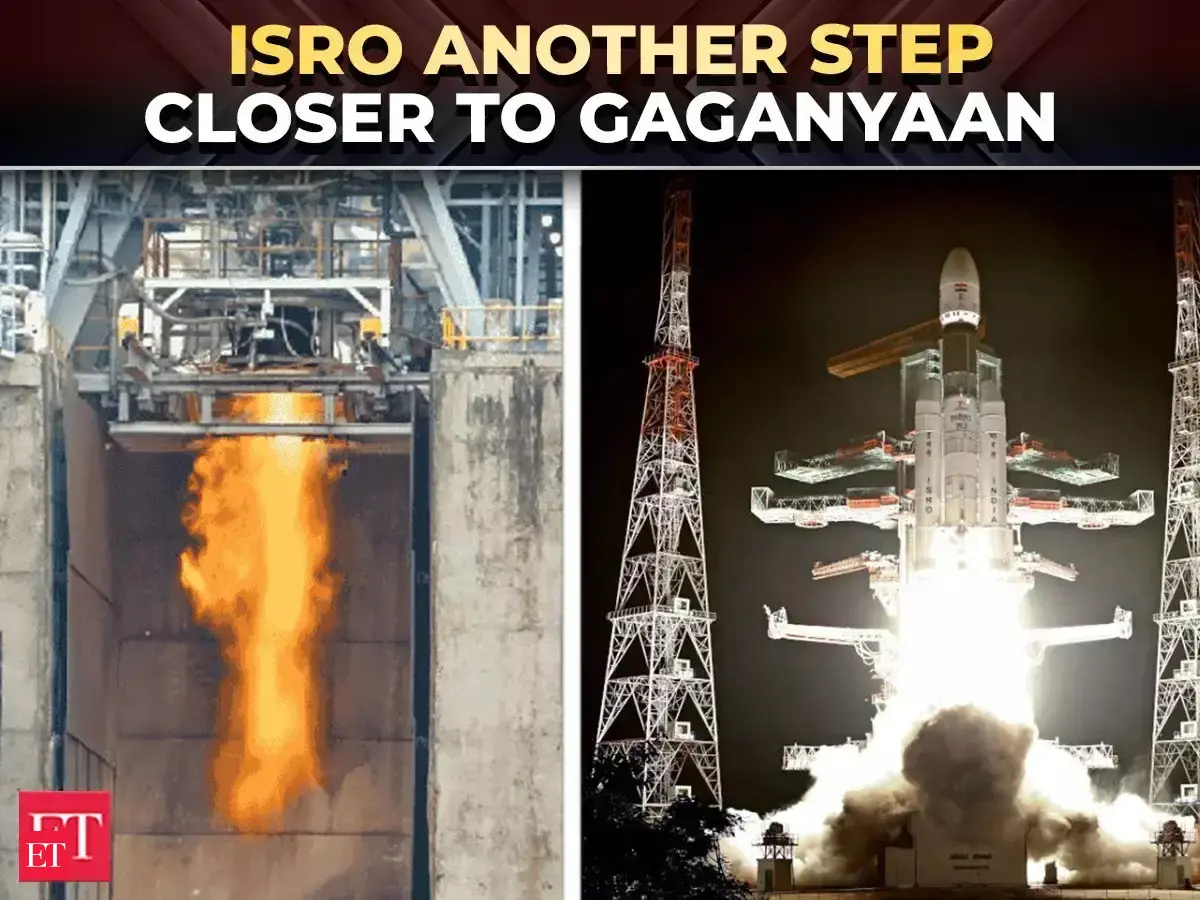
In a significant advancement for India's space exploration efforts, the Indian Space Research Organisation (ISRO) has successfully conducted a sea-level hot test of its CE20 cryogenic engine, which boasts an impressive thrust of 22 tonnes. This crucial test took place at the ISRO Propulsion Complex located in Mahendragiri, Tamil Nadu, and is seen as a major step forward in enhancing the capabilities of India's launch vehicles.
The CE20 engine is designed to power the upper stage of the LVM3 (Launch Vehicle Mark-3) launch vehicle, which is pivotal for launching heavier payloads into space. The recent hot test not only demonstrated the engine's ability to perform at a higher thrust level but also validated a new nozzle protection system and a multi-element igniter. These advancements are expected to significantly improve the engine's reliability and efficiency, making it a cornerstone for future missions.
The incorporation of the nozzle protection system is particularly noteworthy as it enhances the engine's performance by safeguarding critical components during operation. The multi-element igniter also contributes to a more stable ignition process, which is crucial for the precision required in space missions. As ISRO continues to push the boundaries of its engineering capabilities, the advancements made in the CE20 engine showcase the organisation's commitment to innovation and excellence in aerospace technology.
With the upgraded thrust of the CE20 engine, ISRO anticipates a marked enhancement in the LVM3's payload capability. This upgrade is vital for future missions that aim to send larger and more complex satellites into orbit. The increased payload capacity not only opens doors for national projects but also positions India as a competitive player in the global commercial satellite launch market.
Union Minister Dr. Jitendra Singh expressed his congratulations to ISRO on this remarkable achievement, highlighting the government's ongoing support for India's space endeavors. The successful hot test is a testament to the hard work and dedication of ISRO scientists and engineers who have tirelessly worked to bring this project to fruition. The government’s investment in space technology is not just a matter of national pride but also a strategic move to bolster the country’s technological advancements.
As ISRO looks ahead, the success of the CE20 cryogenic engine holds promise for future projects, including potential interplanetary missions and deeper space exploration initiatives. The advancements in cryogenic technology could also facilitate collaborations with other space agencies and private sector players, thus expanding India’s footprint in the global space industry.
The successful hot test of the CE20 engine marks a pivotal moment in India’s journey towards becoming a leading space power. With enhanced capabilities and a strong foundation in cryogenic technology, ISRO is poised to take on ambitious projects that could redefine the landscape of space exploration. As the world watches, India is set to make its mark in the cosmos, driven by innovation, perseverance, and a relentless quest for knowledge.


Loading more news...
You've reached the end of our news feed. Check back later for more updates!