
Science
Henri Kagan wins Nobel Prize at 95: Check out his contributions to chemistry and pharmacy
October 9, 2026
2,834 views
ISRO\'s CE20 Cryogenic Engine passes 22-tonne thrust test, boosts LVM3 capability for future mission
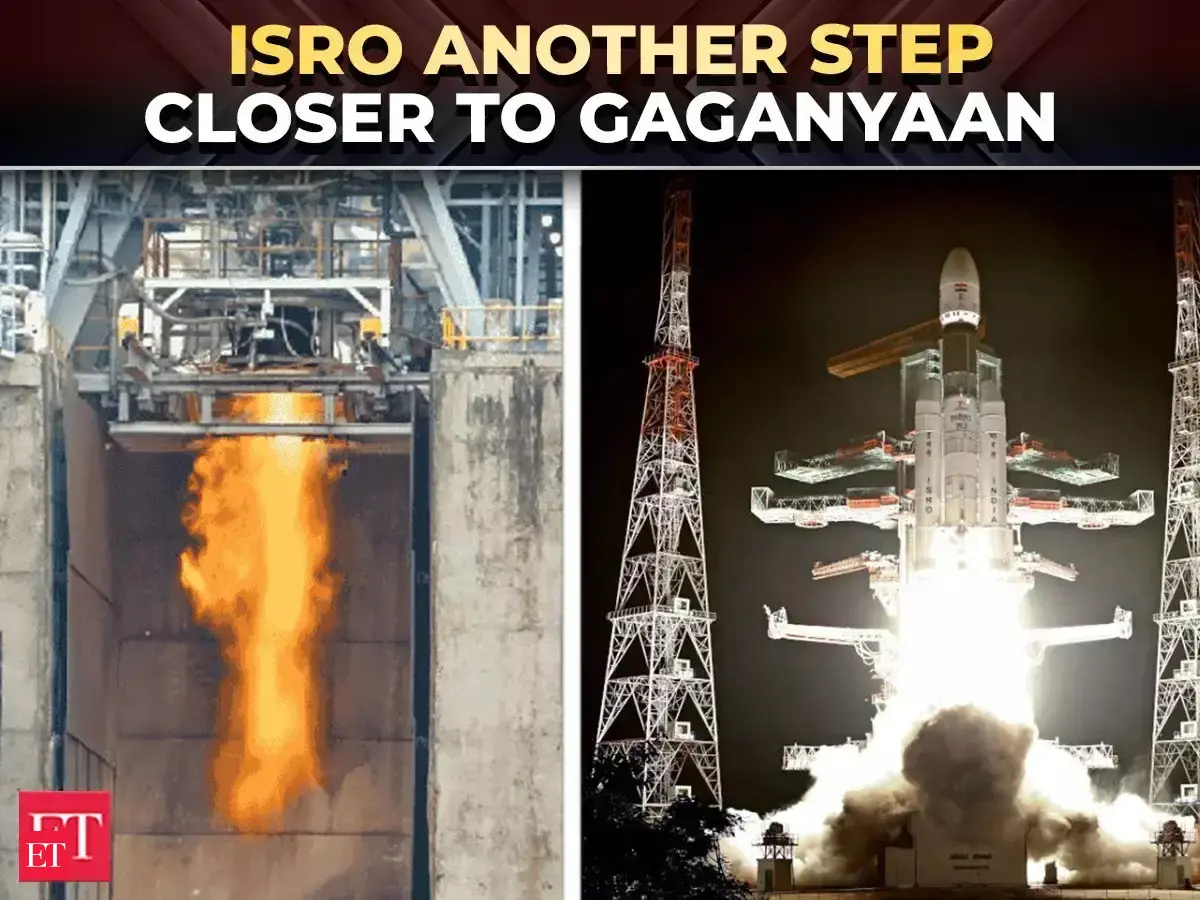
In a significant advancement for India's space exploration efforts, the Indian Space Research Organisation (ISRO) has successfully conducted a sea-level hot test of its CE20 cryogenic engine. This groundbreaking test took place at the ISRO Propulsion Complex in Mahendragiri, Tamil Nadu, and showcased the engine's capability to generate a thrust of 22 tonnes. The successful testing of the CE20 engine marks an essential step forward in the country’s endeavor to enhance its space launch capabilities.
The CE20 engine is a crucial component of the LVM3 launch vehicle's upper stage, designed to place heavier payloads into orbit. The recent hot test was particularly notable as it incorporated a nozzle protection system and a multi-element igniter. These innovations not only validate the engine's performance but also signify a leap in technological advancements for ISRO. The engine's upgraded thrust capability is expected to enhance the payload capacity of the LVM3 rocket, allowing it to carry larger and more complex missions in the future.
During the hot test, the focus was on ensuring that the engine operates efficiently under high-performance conditions. The nozzle protection system is designed to shield the nozzle from extreme temperatures and pressures, which can occur during launch. Meanwhile, the multi-element igniter plays a critical role in ensuring reliable ignition of the cryogenic fuel, a challenging task that requires precision engineering. Together, these technologies provide a more robust and reliable engine, capable of meeting the demands of future space missions.
The success of the CE20 cryogenic engine test is poised to have a profound impact on India's space ambitions. With the ability to launch heavier payloads into geostationary transfer orbits, ISRO can now consider a wider range of missions, including more sophisticated satellite deployments and interplanetary explorations. This advancement positions India as a formidable player in the global space arena, capable of competing with leading space agencies worldwide.
Union Minister Dr. Jitendra Singh expressed his congratulations to ISRO for achieving this important milestone. He emphasized the importance of such advancements in driving India’s technological prowess and fostering innovation. The government’s continued support for ISRO’s initiatives is vital, as it enables the agency to pursue ambitious projects that require significant investment and research.
As ISRO prepares for the future, the successful testing of the CE20 engine will play a crucial role in upcoming missions. The enhanced capabilities of the LVM3 rocket are expected to be utilized for launching communication satellites, earth observation satellites, and potentially even human spaceflight missions in the long term. With each successful test and mission, ISRO is building a strong foundation for its future endeavors.
The successful sea-level hot test of the CE20 cryogenic engine is not just a technical achievement; it represents a broader vision for India’s space exploration. As ISRO continues to innovate and push the boundaries of technology, the nation moves closer to its goal of becoming a leader in space exploration. This latest milestone is a testament to the hard work and dedication of the ISRO team and serves as an inspiration for future generations of scientists and engineers.
In summary, the CE20 cryogenic engine test is a significant leap forward for India’s space program. With government backing, ongoing technological advancements, and a clear vision for the future, ISRO is on the cusp of achieving remarkable milestones that will elevate India’s status in the global space community.


Loading more news...
You've reached the end of our news feed. Check back later for more updates!