
Science
Henri Kagan wins Nobel Prize at 95: Check out his contributions to chemistry and pharmacy
October 9, 2026
2,834 views
ISRO\'s CE20 Cryogenic Engine passes 22-tonne thrust test, boosts LVM3 capability for future mission
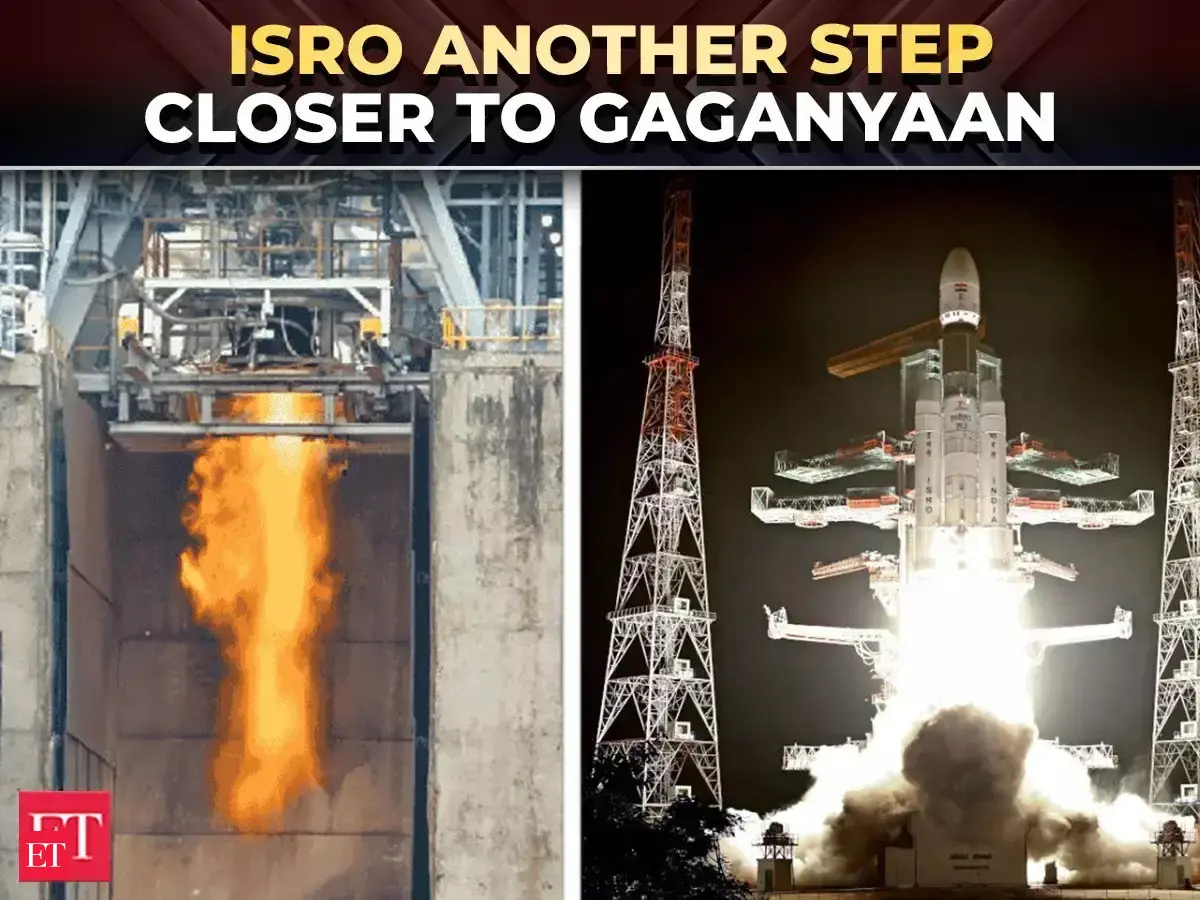
In a significant achievement for India's space exploration ambitions, the Indian Space Research Organisation (ISRO) has successfully conducted a sea-level hot test of its CE20 cryogenic engine. This groundbreaking test, which took place at the ISRO Propulsion Complex in Mahendragiri, Tamil Nadu, demonstrated the engine's capability to produce an impressive thrust of 22 tonnes. With this successful test, ISRO is one step closer to enhancing its launch vehicle technology and boosting the payload capacity for future missions.
The CE20 engine is a critical component that powers the upper stage of the LVM3 (Launch Vehicle Mark-3) launch vehicle. During this hot test, the focus was on validating the engine's performance under higher thrust levels. The test incorporated a nozzle protection system and a multi-element igniter, both of which are vital for ensuring the engine's reliability and efficiency in the demanding conditions of space launch.
The nozzle protection system is designed to safeguard the engine's nozzle from extreme temperatures and pressures, while the multi-element igniter has been developed to ensure reliable ignition of the cryogenic propellant. These advancements signify ISRO's commitment to pushing the boundaries of technology in space exploration, and they play a crucial role in the overall performance of the LVM3 launch vehicle.
The upgraded thrust of the CE20 engine is expected to have a profound impact on the payload capability of the LVM3 vehicle. As ISRO prepares for future missions, including potential interplanetary explorations and satellite deployments, every increment in thrust translates to enhanced capacity for carrying heavier payloads into orbit. This is particularly important as countries around the world compete in the arena of space technology and exploration.
Union Minister Dr. Jitendra Singh expressed his congratulations to ISRO on this remarkable milestone, highlighting the importance of indigenous technology in strengthening India's position in space exploration. He emphasized that such advancements not only benefit India but also contribute to global space research and technology.
This successful hot test is a testament to the hard work and dedication of the scientists and engineers at ISRO, who have been tirelessly working to enhance the country’s capabilities in space technology. The CE20 engine's successful test is expected to pave the way for upcoming missions, including the much-anticipated Gaganyaan program, which aims to send Indian astronauts into space.
Moreover, as ISRO continues to develop its capabilities, the agency is also focusing on international collaborations that can further enhance its technological advancements. The global space industry is rapidly evolving, and collaborations with other space agencies and private companies could lead to shared knowledge and resources, ultimately benefiting India's space program.
The successful sea-level hot test of the CE20 cryogenic engine marks a significant achievement for ISRO and a stepping stone towards greater accomplishments in the field of space exploration. With this technology, India is poised to increase its presence in the global space arena and take on ambitious projects that could redefine its capabilities in space science. The advancements made in cryogenic engine technology not only enhance the LVM3's payload capacity but also open up new possibilities for future missions that could explore the moon, Mars, and beyond.
As ISRO continues to innovate and expand its technological prowess, the world watches with anticipation to see what the future holds for India's space endeavors. This successful test is not just a technical achievement; it signifies a bold step towards realizing the dreams of millions of aspiring scientists and engineers who look to the stars.

Loading more news...
You've reached the end of our news feed. Check back later for more updates!