
Science
Henri Kagan wins Nobel Prize at 95: Check out his contributions to chemistry and pharmacy
October 9, 2026
2,834 views
ISRO\'s CE20 Cryogenic Engine passes 22-tonne thrust test, boosts LVM3 capability for future mission
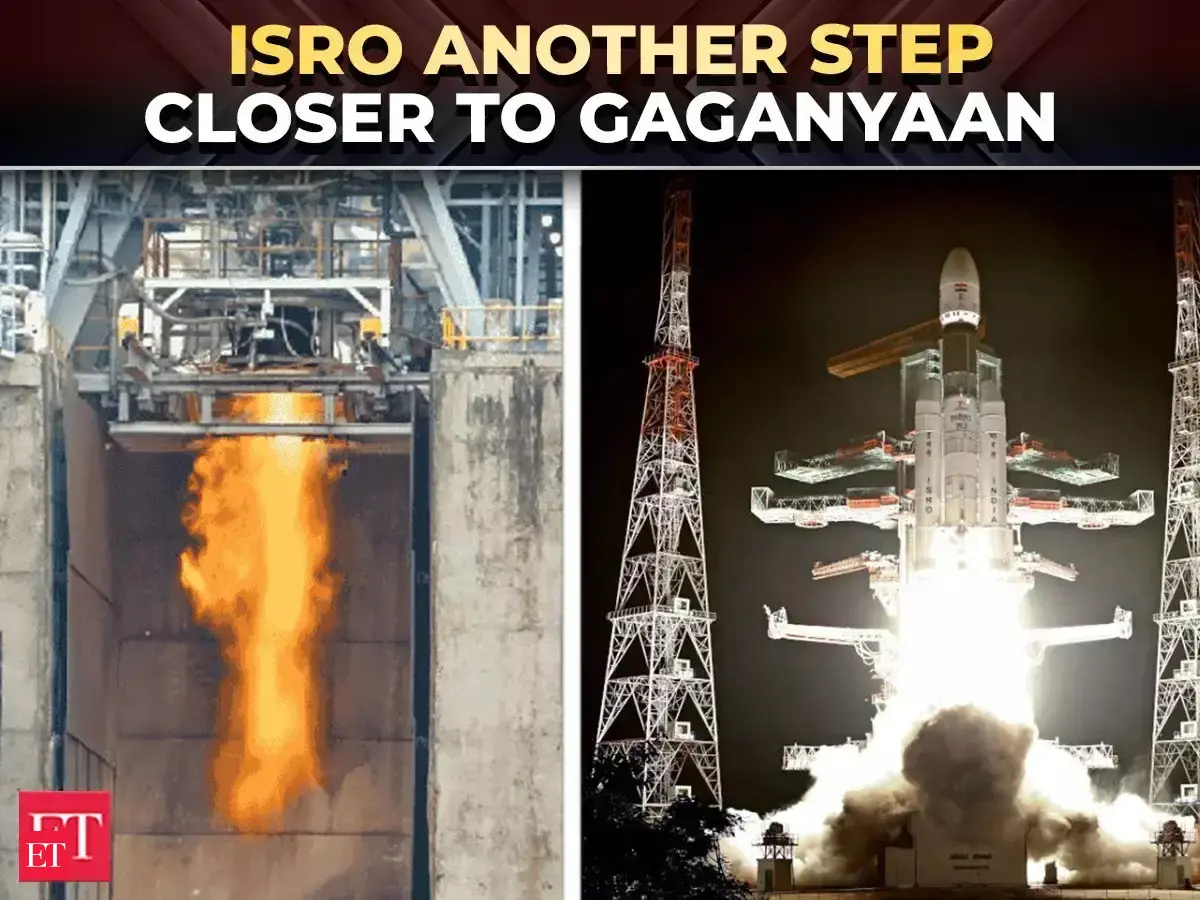
In a significant advancement for India's space endeavors, the Indian Space Research Organisation (ISRO) has successfully conducted a sea-level hot test of its CE20 cryogenic engine, achieving an impressive thrust of 22 tonnes. This event took place at the ISRO Propulsion Complex located in Mahendragiri, Tamil Nadu, marking a critical milestone in the development of advanced propulsion technologies.
The hot test was not just a standard procedure but a comprehensive evaluation that included the implementation of an innovative nozzle protection system and a multi-element igniter. These enhancements are designed to ensure the engine operates efficiently and reliably under high-stress conditions. The successful testing of these components validates the CE20 engine's performance at elevated thrust levels, a crucial factor for future space missions that require increased payload capacities.
The CE20 cryogenic engine is a pivotal component of the LVM3 launch vehicle, which is essential for carrying heavier payloads into orbit. The upgraded thrust capability of the CE20 engine is expected to substantially enhance the rocket's payload capacity, allowing ISRO to undertake more ambitious missions, including launching larger satellites and supporting interplanetary explorations.
With the successful hot test, ISRO is poised to increase its operational capabilities significantly. The enhanced performance of the CE20 engine will enable the agency to compete more effectively in the global space market. As India aims to establish itself as a leader in space technology, the advancements in the CE20 engine represent an important step towards achieving this goal.
Union Minister Dr. Jitendra Singh expressed his congratulations to ISRO for this remarkable achievement. He emphasized the importance of such technological advancements in strengthening India's position in the global space arena. The support from the government plays a crucial role in providing ISRO with the resources and infrastructure necessary to innovate and excel.
While the successful test of the CE20 engine is a promising development, ISRO faces several challenges ahead. The agency must continue to invest in research and development to keep pace with rapidly evolving space technologies. Additionally, maintaining safety and reliability in rocket launches is paramount as missions become more complex.
The successful hot test of the CE20 cryogenic engine is a testament to ISRO's commitment to advancing its capabilities and achieving greater heights in space exploration. As the agency prepares for future missions, the significance of this engine cannot be overstated. With enhanced thrust and improved payload capacity, the CE20 engine is set to play a crucial role in India's ambitious plans for space exploration and satellite deployment in the coming years.


Loading more news...
You've reached the end of our news feed. Check back later for more updates!