
Science
Henri Kagan wins Nobel Prize at 95: Check out his contributions to chemistry and pharmacy
October 9, 2026
2,834 views
ISRO\'s CE20 Cryogenic Engine passes 22-tonne thrust test, boosts LVM3 capability for future mission
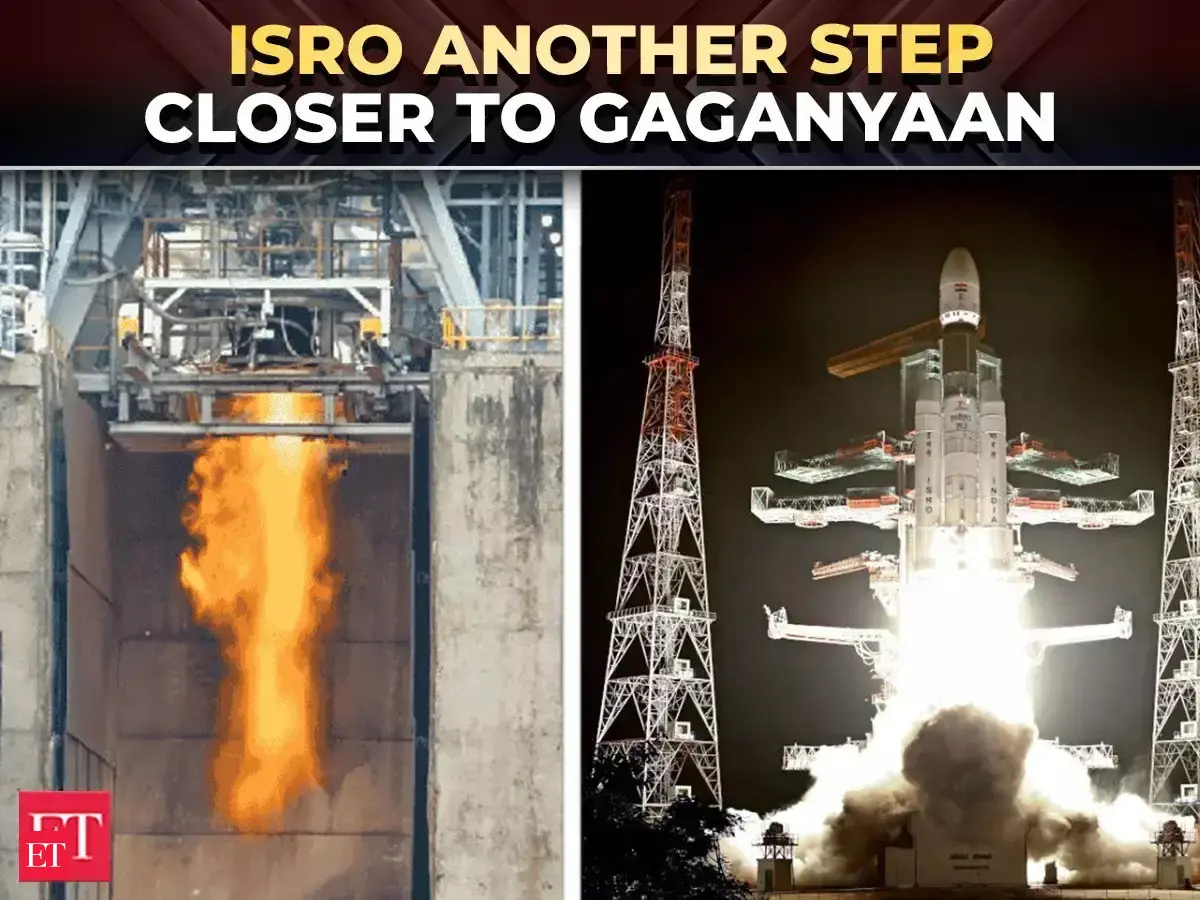
In a significant advancement for India's space exploration capabilities, the Indian Space Research Organisation (ISRO) has successfully conducted a sea-level hot test of its CE20 cryogenic engine, achieving a remarkable thrust of 22 tonnes. This groundbreaking test took place at the ISRO Propulsion Complex located in Mahendragiri, Tamil Nadu, marking a crucial step forward in the development of advanced rocket technology.
The CE20 engine is designed to power the upper stage of the LVM3 (Launch Vehicle Mark-3) launch vehicle. This engine, with its innovative technology, is pivotal for the success of future missions planned by ISRO. The recent hot test included a sophisticated nozzle protection system and a multi-element igniter, both of which played essential roles in validating the engine’s performance at an elevated thrust level. This successful test not only confirms the reliability of the CE20 engine but also opens up new avenues for enhancing the rocket’s payload capability.
One of the most significant outcomes of this successful hot test is the upgraded thrust of the CE20 engine, which is expected to significantly enhance the payload capability of the LVM3 launch vehicle. The increased thrust allows for the potential deployment of heavier satellites and more complex missions, further solidifying India’s position in the global space race. With this upgrade, ISRO is poised to undertake ambitious projects that may include interplanetary missions and larger satellite launches.
Union Minister Dr. Jitendra Singh expressed his congratulations to ISRO on this remarkable achievement. He emphasized the importance of such milestones in bolstering India’s technological advancements and reinforcing the nation’s commitment to space exploration. The government has been actively supporting ISRO’s endeavors, recognizing the strategic importance of space technology in various sectors, including communication, navigation, and disaster management.
The successful test of the CE20 cryogenic engine is a stepping stone toward ISRO’s future missions. As the agency prepares for upcoming launches, the enhanced capability of the LVM3 will enable it to carry out a variety of missions, including those aimed at deep space exploration. The potential to launch heavier payloads will also attract international commercial partnerships, allowing ISRO to position itself as a competitive player in the global satellite launch market.
The CE20 engine represents a culmination of years of research and development within ISRO. The incorporation of advanced features such as the multi-element igniter and nozzle protection system showcases ISRO’s commitment to innovation and excellence in rocket technology. These technological advancements not only enhance performance but also improve the safety and reliability of the engine during missions.
The successful hot test of the CE20 cryogenic engine is a testament to ISRO's engineering prowess and its dedication to pushing the boundaries of space exploration. As India continues to make significant strides in space technology, the world watches with keen interest. The future of Indian space exploration looks promising, with ISRO set to achieve even greater milestones in the years to come.


Loading more news...
You've reached the end of our news feed. Check back later for more updates!