
Politics
धरना-प्रदर्शनों का नया कारोबार: लोकतंत्र की आड़ में आखिर किसके हित साधे जा रहे हैं?
October 10, 2026
1,612 views
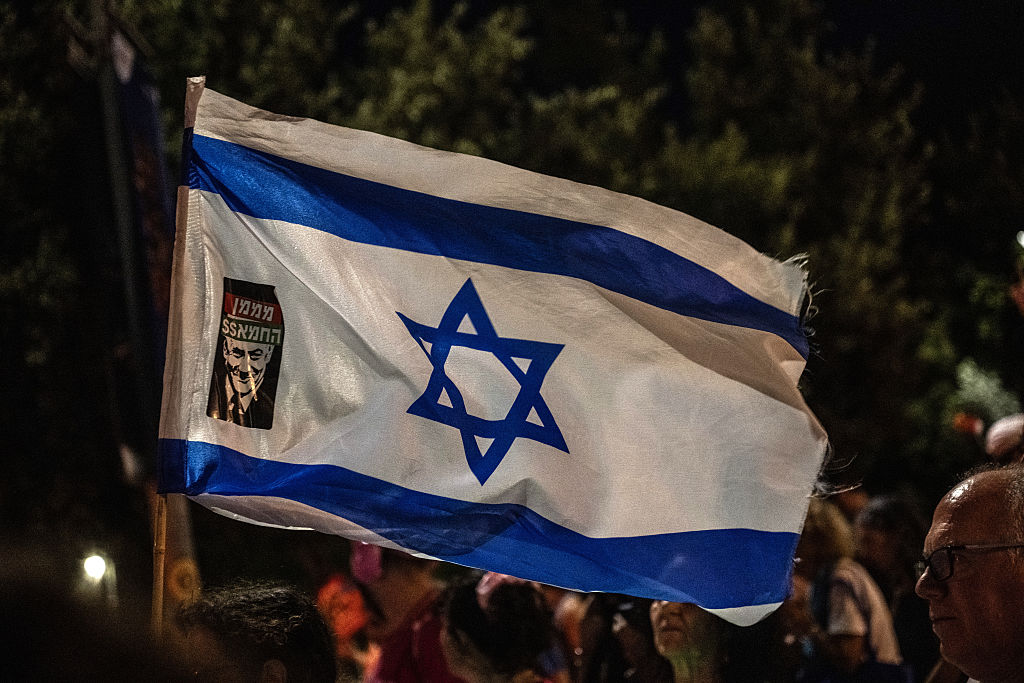
Israel has taken a significant step towards addressing the ongoing conflict in the Gaza Strip by agreeing to allow a multinational security force to enter the region. This decision aligns with the ceasefire plan proposed by U.S. President Donald Trump, aimed at stabilizing the volatile situation in Gaza. An Israeli official announced this development on Sunday, just a day before Prime Minister Benjamin Netanyahu's scheduled visit to Washington, where discussions regarding the peace process and security issues are expected to be a central focus.
The approval from Netanyahu's security cabinet on Sunday sets a legal framework for the international force, which is expected to play a crucial role in maintaining order and facilitating humanitarian efforts in the area. This move comes amid escalating tensions between Israel and Hamas, the militant group that governs Gaza. The situation has led to repeated cycles of violence, prompting both local and international calls for a more sustainable resolution.
The proposed multinational force will likely comprise troops from various nations, contributing to a unified effort to ensure peace and security in Gaza. While the specifics regarding the number of troops and the countries involved have not yet been disclosed, the initiative is seen as a vital component of the broader ceasefire strategy. The presence of an international security force aims to deter violence and provide a safer environment for humanitarian aid to reach those in need.
The announcement has elicited a mixed response from various stakeholders. Supporters argue that the international force could provide much-needed stability in a region plagued by conflict, while critics express concerns about the effectiveness and potential implications of foreign troops in Gaza. Some local leaders worry about sovereignty issues and the potential for foreign intervention to exacerbate tensions rather than alleviate them.
The involvement of the international community is crucial in this scenario. Countries that are part of the proposed force will need to coordinate closely with Israeli authorities and Palestinian representatives to ensure that the mission is carried out effectively. This collaboration will be essential in overcoming the deep-rooted mistrust that has historically characterized relations between Israel and the Palestinians.
This decision could mark a pivotal moment in Israeli-Palestinian relations, opening avenues for dialogue and negotiation that have been largely absent in recent years. By allowing an international force into Gaza, Israel may be signaling a willingness to engage in a broader peace process that includes addressing core issues such as borders, refugees, and the status of Jerusalem. However, the success of this initiative will depend on the commitment of all parties involved to pursue a peaceful resolution.
As Prime Minister Netanyahu prepares for his trip to Washington, the discussions surrounding the multinational force and the broader ceasefire plan will likely dominate the agenda. U.S. officials have expressed support for the initiative, seeing it as a potential pathway to renewed peace talks. The outcome of these discussions could shape the future of the region and determine whether this latest attempt at peace will yield lasting results.
In conclusion, Israel's decision to allow a multinational security force into Gaza represents a crucial step towards addressing the ongoing conflict and ensuring stability in the region. While there are significant challenges ahead, the potential for a collaborative international effort to maintain peace could lead to a new chapter in Israeli-Palestinian relations. As the world watches closely, the actions taken in the coming days and weeks will be instrumental in shaping the future dynamics of the region.


Loading more news...
You've reached the end of our news feed. Check back later for more updates!