
Politics
Bihar: Over 50 held in protest against Mata Sita women’s university
October 10, 2026
1,707 views
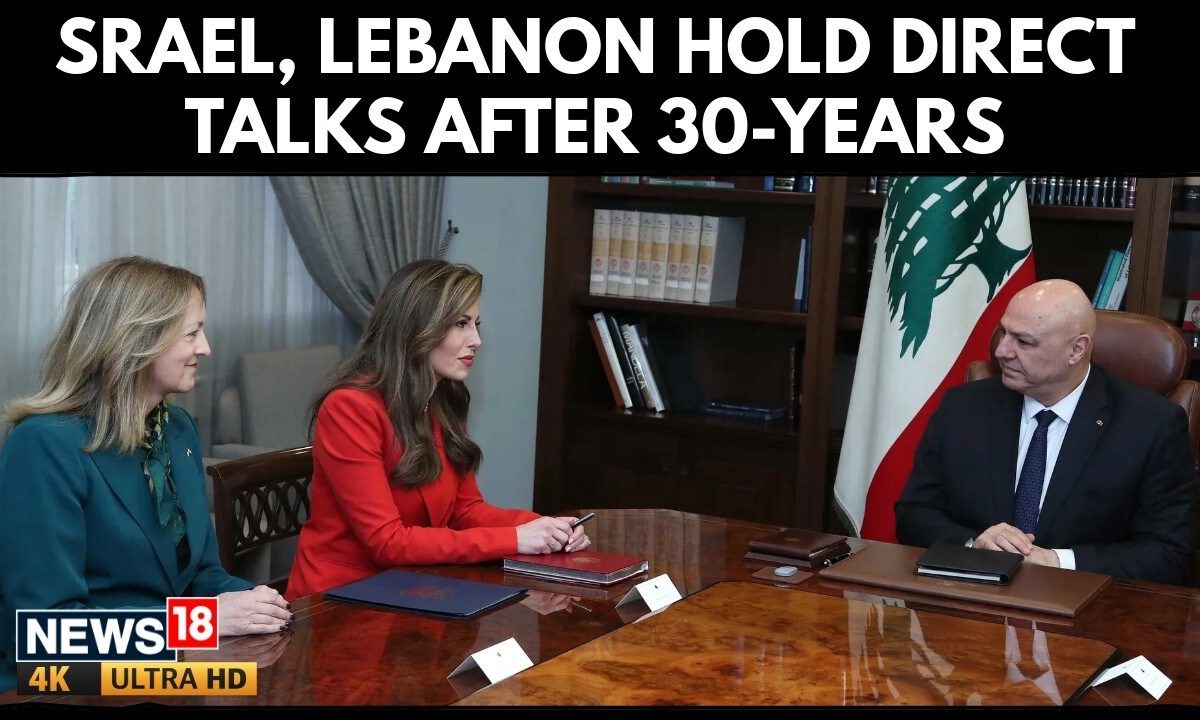
In a momentous development in Middle Eastern diplomacy, Israel and Lebanon have commenced their first direct talks in over three decades, marking a significant step toward potential peace in a historically tumultuous relationship. The negotiations are being held in Washington, DC, under the auspices of the United States government, which has taken on the role of mediator. The presence of both Lebanese and Israeli ambassadors at these discussions signals a willingness to engage in dialogue, which has been sorely lacking since the early 1990s.
These unprecedented discussions come against a backdrop of ongoing tensions between the two nations, particularly concerning the militant group Hezbollah, which operates within Lebanon and poses security challenges for Israel. The Lebanese government's primary objective in these talks is to negotiate a ceasefire that could lead to a reduction in hostilities and pave the way for improved relations. In contrast, Israel's agenda is focused on the disarmament of Hezbollah, a goal that has been a cornerstone of its national security strategy for years.
The talks are set to commence on Tuesday at 11 AM Eastern Time at the US Department of State headquarters. The key players involved include:
The significance of these talks cannot be overstated. For many years, the relationship between Israel and Lebanon has been fraught with conflict, characterized by wars and ongoing military skirmishes. The fact that both sides are willing to sit down for direct discussions is a promising indicator of a potential shift in their diplomatic approaches. Observers note that the engagement could lead to a broader peace framework, not just limited to Israel and Lebanon but potentially involving other regional players.
Despite the optimism surrounding the talks, numerous challenges remain. The deep-rooted mistrust between the two nations will be a significant hurdle to overcome. Hezbollah, which has been designated a terrorist organization by Israel and several Western nations, complicates the discourse surrounding disarmament. The Lebanese government must navigate its complex relationship with Hezbollah while also addressing Israel's security concerns.
Additionally, regional dynamics play a critical role in the outcome of these negotiations. Iran's influence over Hezbollah and its support for the group could impact Lebanon's ability to make concessions during discussions. The US's role as a mediator will be crucial in balancing these interests and facilitating a constructive dialogue.
If these talks are successful, they could lay the groundwork for a more stable and peaceful relationship between Israel and Lebanon. This would not only benefit both nations but could also have ripple effects throughout the region, potentially encouraging other nations to engage in similar dialogues. The international community is closely watching these developments, as a peaceful resolution to the longstanding conflicts in the Middle East is a priority for global stability.
The commencement of direct talks between Israel and Lebanon represents a pivotal moment in Middle Eastern diplomacy. With key figures like Marco Rubio leading the charge, there is hope for a new chapter in the Israeli-Lebanese relationship. While significant challenges lie ahead, the willingness to engage in dialogue is a crucial first step toward achieving lasting peace.

Loading more news...
You've reached the end of our news feed. Check back later for more updates!