
Politics
धरना-प्रदर्शनों का नया कारोबार: लोकतंत्र की आड़ में आखिर किसके हित साधे जा रहे हैं?
October 10, 2026
1,612 views
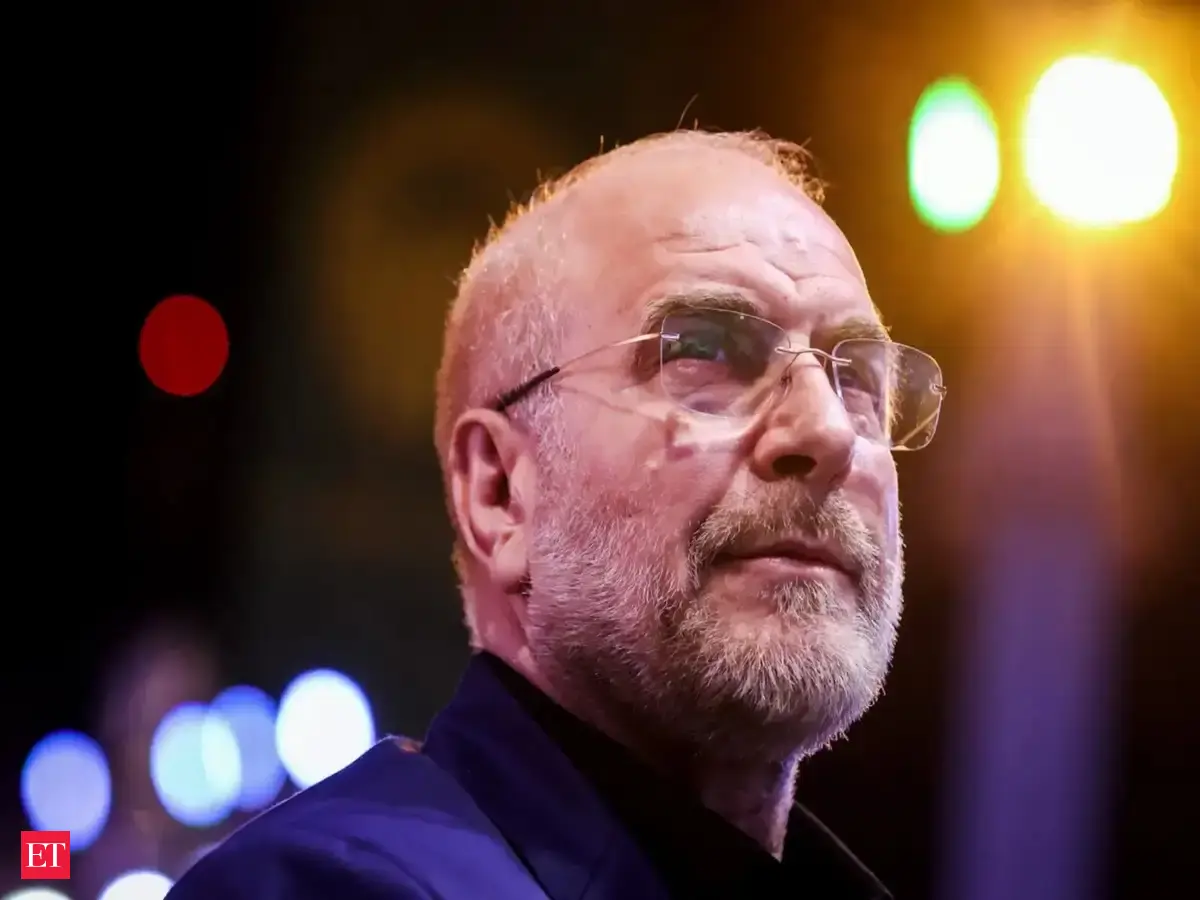
In a significant development in Middle Eastern geopolitics, the Speaker of the Iranian Parliament, Mohammad Bagher Ghalibaf, has publicly attributed the recent 10-day ceasefire between Israel and Lebanon to the enduring strength of Hezbollah and the cohesive efforts of the Axis of Resistance. This statement follows the announcement made by US President Donald Trump, who facilitated the ceasefire, a move seen by many analysts as a pivotal moment in the ongoing regional tensions.
The ceasefire, which was announced amidst escalating hostilities in the region, reflects a temporary halt in violence between Lebanese militant groups, chiefly Hezbollah, and Israeli forces. This agreement not only aims to reduce immediate tensions but also serves as a strategic pause that allows both sides to reassess their positions. Ghalibaf's remarks highlight the Iranian perspective on the ceasefire's implications for regional power dynamics.
Hezbollah, a powerful political and military organization in Lebanon, has been a central player in the ongoing conflict between Israel and Lebanon. Established in the 1980s, Hezbollah has garnered significant support from Iran and Syria and has positioned itself as a key member of the Axis of Resistance—a coalition that opposes Western influence and Israeli actions in the region. Ghalibaf's emphasis on Hezbollah's steadfastness underscores the group's critical role in maintaining a unified front against perceived aggressors.
The Axis of Resistance, which includes Iran, Syria, and various militant groups across the region, operates under a shared ideology that seeks to challenge the dominance of Israel and its allies. Ghalibaf's assertion of unity within this coalition highlights the strategic collaboration that has characterized their actions in recent years. The ceasefire is seen as a testament to this unity, reflecting the collective strength of these allied forces in negotiating a pause in hostilities.
The announcement of the ceasefire has elicited a range of reactions from various international stakeholders. While the United States, under Trump's administration, has positioned itself as a mediator, countries within the region are closely monitoring the developments. Analysts suggest that the ceasefire could pave the way for future diplomatic engagements, although skepticism remains regarding the long-term sustainability of such agreements. The Israeli government has also expressed cautious optimism, emphasizing the need for a more permanent resolution to the ongoing conflict.
The ceasefire may offer a glimmer of hope for improved relations between Lebanon and Israel, yet the road ahead appears fraught with challenges. Historical grievances, territorial disputes, and the ongoing influence of external actors complicate the landscape. Ghalibaf's remarks serve as a reminder of the entrenched divisions that persist, suggesting that while temporary agreements can be reached, lasting peace remains elusive without addressing the underlying issues that fuel the conflict.
Iran's involvement in the ceasefire, as articulated by Ghalibaf, underscores its influential role in shaping the political landscape of the Middle East. As a leading supporter of Hezbollah, Iran has been pivotal in providing military and financial assistance to the group, thereby enhancing its capabilities. The Speaker's comments reflect Tehran's desire to project strength and solidarity with its allies, further solidifying its position within the Axis of Resistance. However, this involvement also raises concerns among Western powers and regional rivals, who view Iran's actions as a destabilizing force.
In conclusion, the 10-day ceasefire between Lebanon and Israel represents a temporary respite in a complex web of alliances and conflicts. Ghalibaf's emphasis on Hezbollah's steadfastness and the unity of the Axis of Resistance highlights the ongoing struggle for influence in the region. As international stakeholders continue to navigate this intricate landscape, the challenge remains in finding a sustainable path toward peace that addresses the myriad of factors at play. The future of Lebanon-Israel relations, shaped by historical tensions and contemporary geopolitical dynamics, will undoubtedly be a focal point for analysts and policymakers in the months to come.


Loading more news...
You've reached the end of our news feed. Check back later for more updates!