Politics
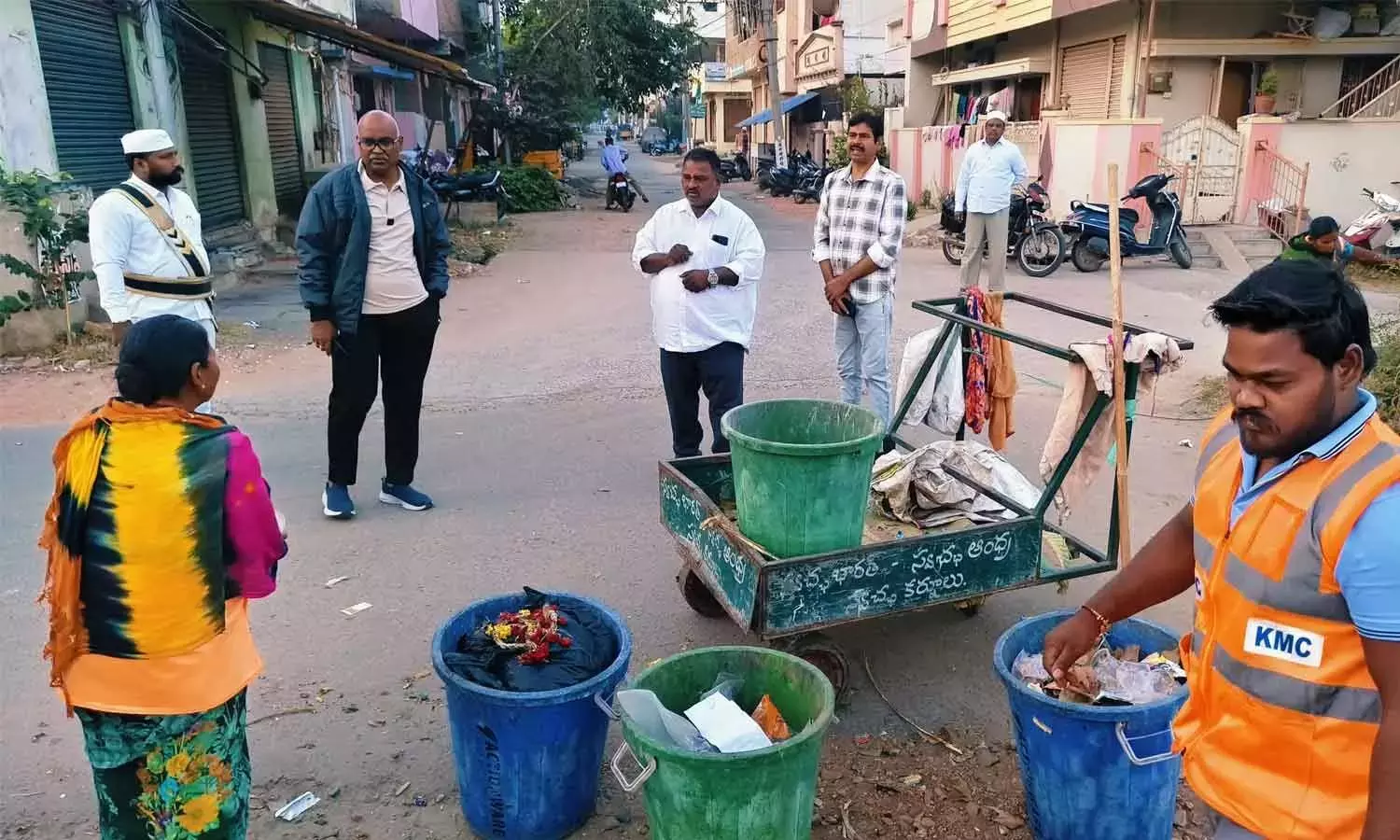
स्वच्छता कार्य में लापरवाही पर कड़ी कार्रवाई होगी: केएमसी आयुक्त
November 19, 2026
2,481 views
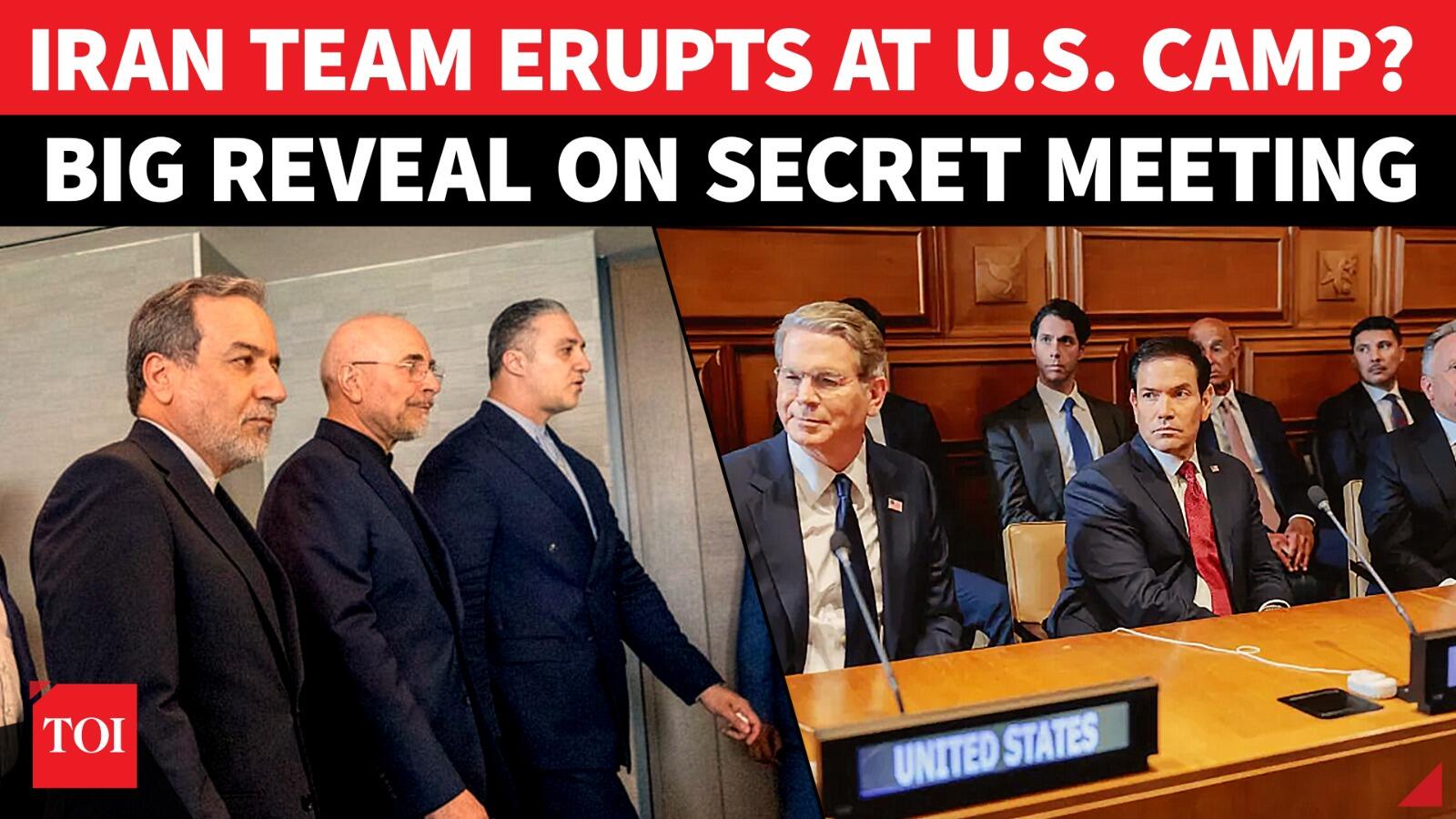
In a significant development during the ongoing United Nations General Assembly (UNGA) in New York, Iran has conveyed its views and conditions to the United States through Qatari mediators. This information was confirmed by Iranian Foreign Ministry spokesperson Esmaeil Baqaei, who emphasized that Tehran's position encompassed critical issues such as the Strait of Hormuz, regional security, and the prerequisites for effective diplomacy. The backdrop of these discussions is marked by a series of intensified diplomatic efforts involving Iran, the United States, and other regional players, highlighting the complexities of international relations in the Middle East.
The Strait of Hormuz is a pivotal maritime chokepoint through which a substantial portion of the world's oil supply passes. Iran's stance on this strategic waterway is crucial, not only for its own national interests but also for global energy security. Baqaei's remarks indicate that Tehran is keenly aware of its influence in this region, and any talks regarding military or diplomatic engagements will inevitably involve discussions around this critical passage. The Iranian government has historically viewed the strait as a matter of national sovereignty, and any perceived threats to its control could escalate tensions significantly.
Beyond the Strait of Hormuz, regional security remains a paramount concern for Tehran. The Iranian government has expressed its apprehensions regarding the presence of U.S. military forces in the Middle East and their alliances with regional adversaries. Baqaei stated that Iran's conditions for diplomatic engagement include assurances of regional stability and security. This reflects Tehran's broader strategy of promoting its influence while countering the perceived encroachment of U.S. interests in the region. The discussions in New York may serve as a platform to address these intricate security dynamics and seek avenues for conflict resolution.
U.S. President Donald Trump characterized the recent talks with the Iranian delegation as "very good," indicating a more optimistic outlook on potential diplomatic breakthroughs. Trump disclosed that American officials had spent three hours in discussions with Iranian representatives, a notable engagement that signifies a willingness to explore pathways toward a possible agreement. The President's comments suggest that he believes a deal remains within reach, despite the complex history of U.S.-Iran relations.
During his remarks, Trump also issued a cautionary note, warning of two potential outcomes stemming from these negotiations. The first scenario envisions a successful diplomatic resolution that could lead to improved relations between the two nations, potentially easing tensions and fostering cooperation on a range of issues. The second, more alarming outcome, implies the possibility of increased hostilities should talks fail or break down. This duality underscores the high stakes involved in the ongoing negotiations and highlights the importance of careful diplomatic maneuvering.
As diplomatic activity intensifies, Iran and the U.S. face the challenge of navigating a landscape fraught with historical grievances and mutual distrust. The involvement of Qatar as a mediator adds an interesting layer to the discussions, given its unique position in the region and its relationships with both Tehran and Washington. Qatar's role may facilitate communication and help bridge gaps that have long impeded progress.
The international community is closely monitoring the developments surrounding the U.S.-Iran talks. Analysts suggest that any positive outcomes could have far-reaching implications, not only for U.S.-Iran relations but also for broader geopolitical dynamics in the Middle East. A successful agreement could potentially lead to a decrease in tensions, influencing energy markets and regional alliances.
As the UNGA continues, the world watches with bated breath to see how these discussions unfold. The potential for a diplomatic resolution remains, but it will require both sides to navigate their respective domestic pressures and historical contexts. The stakes are high, and the coming weeks may prove crucial in determining the future of U.S.-Iran relations and regional stability.

Loading more news...
You've reached the end of our news feed. Check back later for more updates!