
Politics
धरना-प्रदर्शनों का नया कारोबार: लोकतंत्र की आड़ में आखिर किसके हित साधे जा रहे हैं?
October 10, 2026
1,612 views
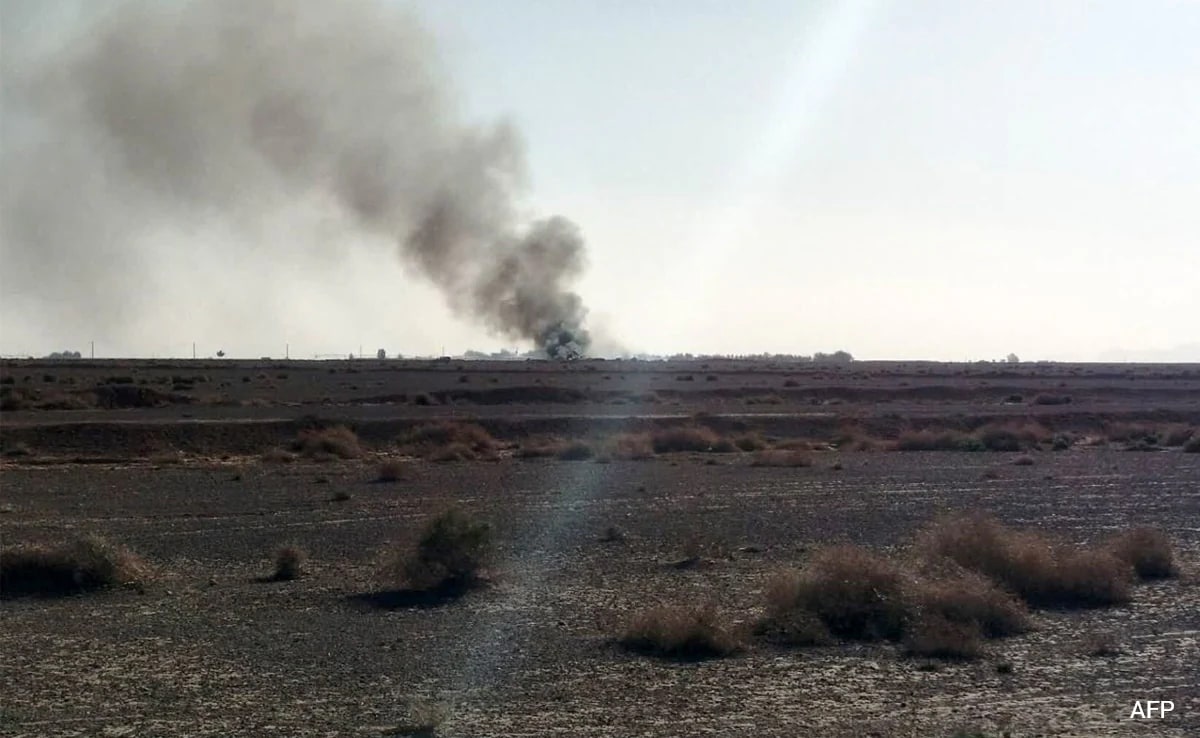
In a significant escalation of tensions in the Middle East, Iran's Revolutionary Guards issued a stark warning on Tuesday, threatening to halt oil production in Gulf nations if the Islamic Republic is subjected to military assaults originating from their territories. This warning comes as the deadline for a ceasefire agreement looms, raising concerns about the stability of the oil markets and the broader geopolitical landscape in the region.
Iran's statement is deeply intertwined with the ongoing conflicts in the region and the fraught relationships between Iran and its Gulf neighbors, particularly Saudi Arabia and the United Arab Emirates. The Islamic Republic has long accused these nations of collaborating with Western powers to undermine its sovereignty and interests. As tensions escalate, the Revolutionary Guards have made it clear that they view any military action against Iran as a direct threat not only to their national security but also to the economic lifelines of the Gulf states.
The geopolitical landscape in the Middle East has been characterized by a series of conflicts and rivalries, particularly between Sunni-majority Saudi Arabia and Shia-majority Iran. The Revolutionary Guards’ warning highlights the precarious balance of power in the region, where military actions can swiftly lead to economic repercussions. The Gulf nations, heavily reliant on oil production, could face devastating impacts should Iran follow through on its threat.
Oil is the backbone of the Gulf economies, and any disruption in production could lead to spikes in global oil prices, affecting economies worldwide. Analysts suggest that if Iran were to implement such a drastic measure, the ramifications would be felt far beyond the Middle East. Countries that depend on oil imports would experience increased costs, while oil-producing nations could struggle to maintain their economic stability amidst fluctuating prices.
The global oil market is already in a state of flux due to various geopolitical factors, including the ongoing conflict in Ukraine and supply chain disruptions stemming from the COVID-19 pandemic. The potential for further instability in the Gulf region could exacerbate these issues, leading to volatility in oil prices. Investors and analysts are closely monitoring the situation, as any announcement from Tehran could trigger immediate reactions in the stock markets.
The international community has responded with cautious concern to Iran's threats. Western nations, particularly the United States, have reiterated calls for diplomacy and de-escalation in the region. The Biden administration has been working to revive the Joint Comprehensive Plan of Action (JCPOA), the nuclear deal that was abandoned by former President Trump. However, with tensions rising, the prospects for a successful diplomatic resolution appear increasingly tenuous.
Efforts by international mediators to facilitate dialogue between Iran and its Gulf neighbors have been fraught with challenges. The recent threats from Iran could complicate these diplomatic initiatives, as the Gulf nations may feel compelled to bolster their military readiness in response. The potential for an arms race in the region raises additional alarms about the future stability of the Middle East.
As the deadline for a potential truce approaches, the situation remains precarious. Analysts suggest that both sides must tread carefully to avoid a miscalculation that could lead to open conflict. The Revolutionary Guards' threats serve as a reminder of the fragile state of affairs in the Middle East, where a single incident could have catastrophic consequences.
In light of the escalating tensions, various peace organizations and regional leaders are urging all parties to engage in constructive dialogue. The emphasis is on finding common ground and working towards a peaceful resolution that respects the sovereignty and security concerns of all nations involved. The international community has a vital role to play in facilitating these conversations, providing a platform for diplomacy over conflict.
The recent threats from Iran's Revolutionary Guards highlight the volatile nature of Middle Eastern geopolitics and the critical importance of oil in the region's economy. As the deadline for a truce approaches, the world watches closely, hoping for a peaceful resolution that can avert further escalation. In a time where stability is paramount, the need for dialogue and understanding has never been more urgent. The outcome of this situation could have lasting implications for the region and the global economy.


Loading more news...
You've reached the end of our news feed. Check back later for more updates!