
Business
Invetech & MeMed win 2026 Good Design Award Gold for MeMed Key™
October 9, 2026
2,539 views
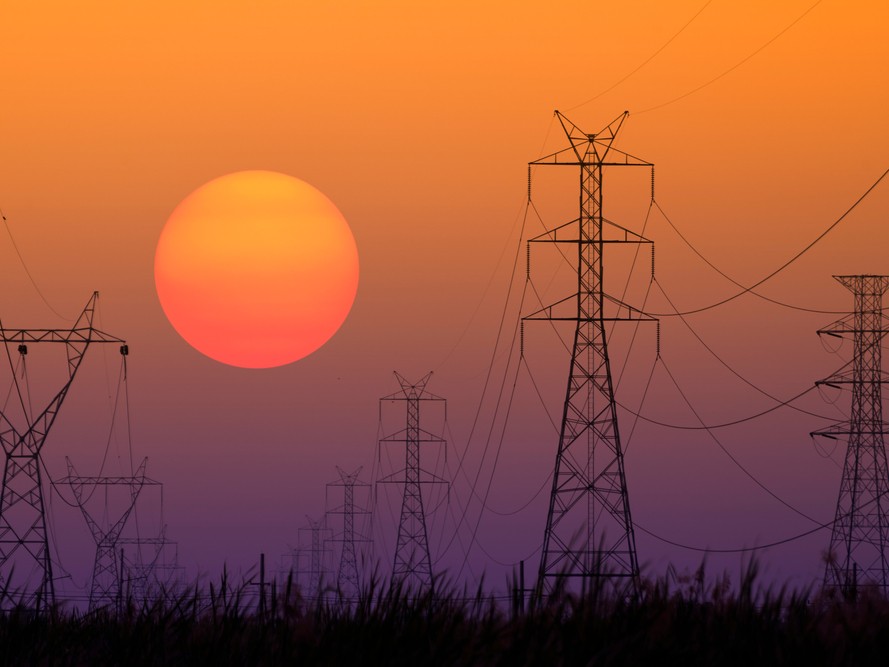
In a significant escalation of cyber threats against critical infrastructure, a recent cyberattack on a small-scale energy facility in the UK has raised alarms about the vulnerabilities within the nation’s energy defenses. This unprecedented attack, attributed to hackers affiliated with the Iranian regime, resulted in the shutdown of the facility for four days last month, marking a potential turning point in the ongoing cyber warfare landscape.
The attack on the energy facility, which has not been publicly named, is believed to be the first instance where Iranian-affiliated hackers have successfully penetrated a UK energy installation. According to sources within the government, the hackers managed to exploit vulnerabilities in the facility’s operational technology, leading to a complete shutdown of services. This incident highlights the increasing sophistication and boldness of state-sponsored cybercriminals, particularly those linked to hostile nations.
In response to the attack, a spokesperson for the Department for Energy Security and Net Zero (DESNZ) stated that while the incident was serious, it did not pose a risk to the wider energy system in the UK. “At no point was there a risk to the wider energy system,” the spokesperson reassured the public. However, the government’s response has included a comprehensive review of existing cybersecurity protocols and a commitment to bolster defenses against future threats.
Experts are advocating for a multi-layered approach to cybersecurity, which includes not only technological upgrades but also training for personnel who manage these critical systems. The integration of advanced threat detection systems and real-time monitoring could help mitigate the risk of similar attacks in the future.
This incident is part of a larger trend where cyber warfare tactics are increasingly being employed by state actors to achieve geopolitical objectives. The implications of such attacks extend beyond immediate operational disruptions; they can destabilize economies and erode public confidence in essential services. The Iranian regime, known for its aggressive cyber capabilities, has previously targeted various sectors globally, including finance, healthcare, and now, energy.
In the wake of the attack, there have been renewed calls from cybersecurity advocates and industry leaders for the UK government to implement stricter cybersecurity legislation. This could include mandatory reporting of cyber incidents, increased funding for cybersecurity initiatives, and the establishment of a national cybersecurity agency dedicated to overseeing the protection of critical infrastructure.
Furthermore, as the line between national security and public safety blurs in the realm of cyber threats, there is an urgent need for public awareness campaigns that educate citizens and businesses about the importance of cybersecurity and the steps they can take to protect themselves.
The cyberattack attributed to Iranian-linked hackers serves as a crucial reminder of the ever-present threats that face critical infrastructure worldwide. As countries like the UK navigate the complexities of cybersecurity, the focus must remain on resilience, preparedness, and international collaboration. The events surrounding this incident should catalyze stronger defenses and proactive measures to safeguard not only energy facilities but all essential services from the growing tide of cyber warfare.


Loading more news...
You've reached the end of our news feed. Check back later for more updates!