Politics
धरना-प्रदर्शनों का नया कारोबार: लोकतंत्र की आड़ में आखिर किसके हित साधे जा रहे हैं?
October 10, 2026
1,612 views
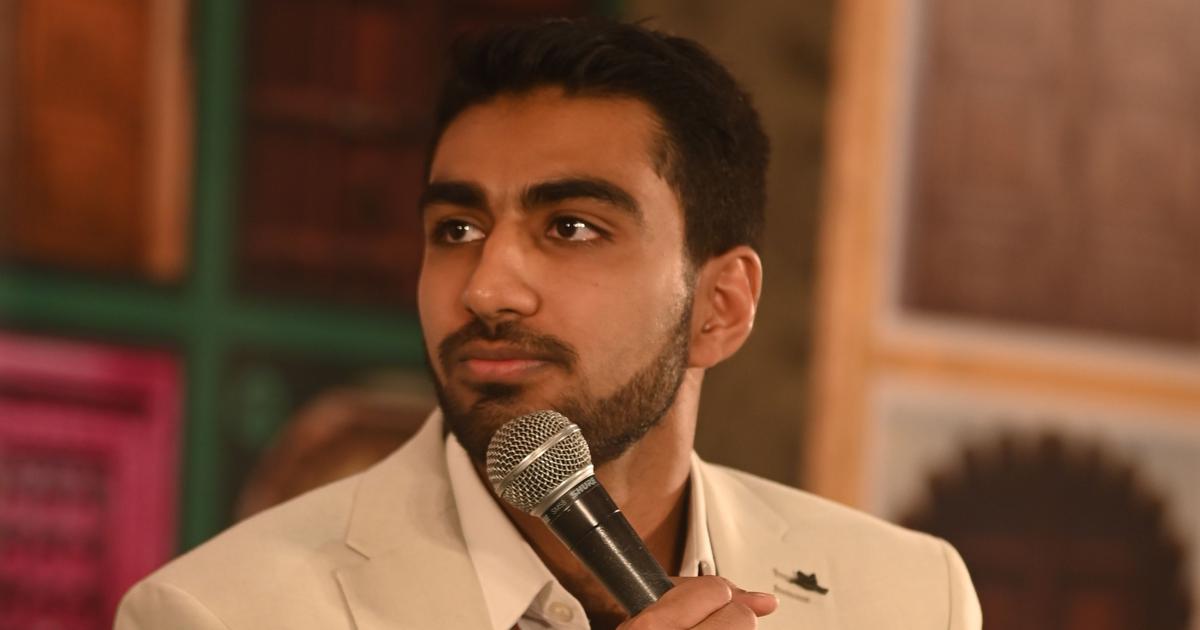
In an exclusive conversation, we delve into the insights of Imran Mulla, a prominent author known for his thought-provoking book ‘The Indian Caliphate: Exiled Ottomans and the Billionaire Prince’. Mulla explores the potential shift in spiritual leadership within the Muslim world, focusing on India’s unique position in contemporary Islamic discourse. As the global landscape changes, this discussion seeks to uncover the implications of such a shift and what it could mean for the future of Islam.
Historically, the Muslim world has seen its spiritual leadership centered in various regions, primarily the Middle East. The Ottoman Empire, which reigned for over six centuries, was one of the most significant centers of Islamic authority. However, following its dissolution in the early 20th century, the question of who leads the Muslim community has become increasingly complex. Mulla states, “The collapse of the Ottoman Empire left a vacuum that has yet to be filled. Various leaders and movements have tried to establish themselves, but none have achieved the universal recognition that the Ottomans once held.”
With a population of over 200 million Muslims, India stands as one of the largest Muslim nations in the world. Mulla emphasizes that India’s diverse cultural heritage and democratic framework could provide a compelling alternative to traditional centers of Islamic authority. “India has a rich tapestry of religious thought and practice. It is home to Sufism, progressive Islamic movements, and a plethora of interpretations that challenge orthodoxies,” he explains. The author believes that this diversity could allow India to emerge as a new spiritual leader in the Muslim world.
In his book, Mulla introduces the concept of the ‘Indian Caliphate’, a notion that reimagines the idea of caliphate in a modern context. He argues that rather than a political entity, the caliphate could be a spiritual and cultural movement that resonates with contemporary Muslims. “The Indian Caliphate is not about establishing borders or governance; it is about fostering a sense of unity among Muslims worldwide through shared cultural and spiritual values,” Mulla asserts. This idea, he believes, can create a platform for inclusive dialogue among diverse Muslim communities.
In today’s digital age, technology plays a crucial role in shaping religious discourse. Mulla notes, “Social media has democratized the flow of information, allowing for diverse voices to emerge. Influencers, scholars, and everyday Muslims are now able to share their thoughts and interpretations with a global audience.” This shift could empower India as a hub for Islamic thought, giving rise to new leaders and movements that challenge traditional narratives.
Despite the potential for India to assume a more prominent role in the spiritual leadership of the Muslim world, there are significant challenges ahead. Mulla points out that “regional tensions, sectarian divides, and political conflicts within India and across the Muslim world could hinder this transition.” Furthermore, the rise of extremist ideologies poses a threat to the inclusive narrative that Mulla advocates for. Addressing these challenges will require concerted efforts from religious leaders, scholars, and policymakers.
The implications of India potentially emerging as a spiritual leader for Muslims extend beyond its borders. As Mulla explains, “A shift in leadership could influence how Islam is perceived globally, challenging stereotypes and misconceptions that often arise from Western narratives.” An Indian-led spiritual movement could foster greater understanding and cooperation between diverse Muslim communities and the broader world.
Looking ahead, Mulla is optimistic about the possibilities that lie ahead for the Indian Caliphate concept. “As more Muslims seek inclusive interpretations of their faith, India’s potential to lead a spiritual renaissance within Islam becomes increasingly viable,” he concludes. He envisions a future where India not only serves as a spiritual beacon for Muslims but also as a platform for interfaith dialogue and cooperation, promoting peace and understanding on a global scale.
Imran Mulla’s insights into the possibility of India’s ascendance in the spiritual leadership of the Muslim world open up a discourse that challenges traditional paradigms. As the global landscape continues to evolve, the voices emerging from India could very well shape the future of Islam, providing hope for a more inclusive and harmonious world. Through a blend of historical context, cultural richness, and innovative thought, India may indeed become a pivotal player in the spiritual narrative of the Muslim community, heralding a new era of unity and understanding.

Loading more news...
You've reached the end of our news feed. Check back later for more updates!