
Business
Invetech & MeMed win 2026 Good Design Award Gold for MeMed Key™
October 9, 2026
2,539 views

Electrification is central to meeting the European Union's goals on energy security, competitiveness, affordability, and emissions reductions. The closure of the Strait of Hormuz has highlighted vulnerabilities in global energy supply chains and has prompted the EU to accelerate its transition towards a more electrified and sustainable energy system. This shift towards electrification is not only a response to the current crisis but is also seen as a critical strategy for achieving long-term energy resilience.
The ongoing energy crisis has put immense pressure on the European economy. With rising fossil fuel prices and geopolitical tensions impacting supply routes, the need for a reliable and sustainable energy source has never been more urgent. The International Energy Agency (IEA) has emphasized that enhancing electrification across various sectors can significantly mitigate these risks. By investing in renewable energy sources, the EU can reduce its dependence on imported fossil fuels and enhance its energy independence.
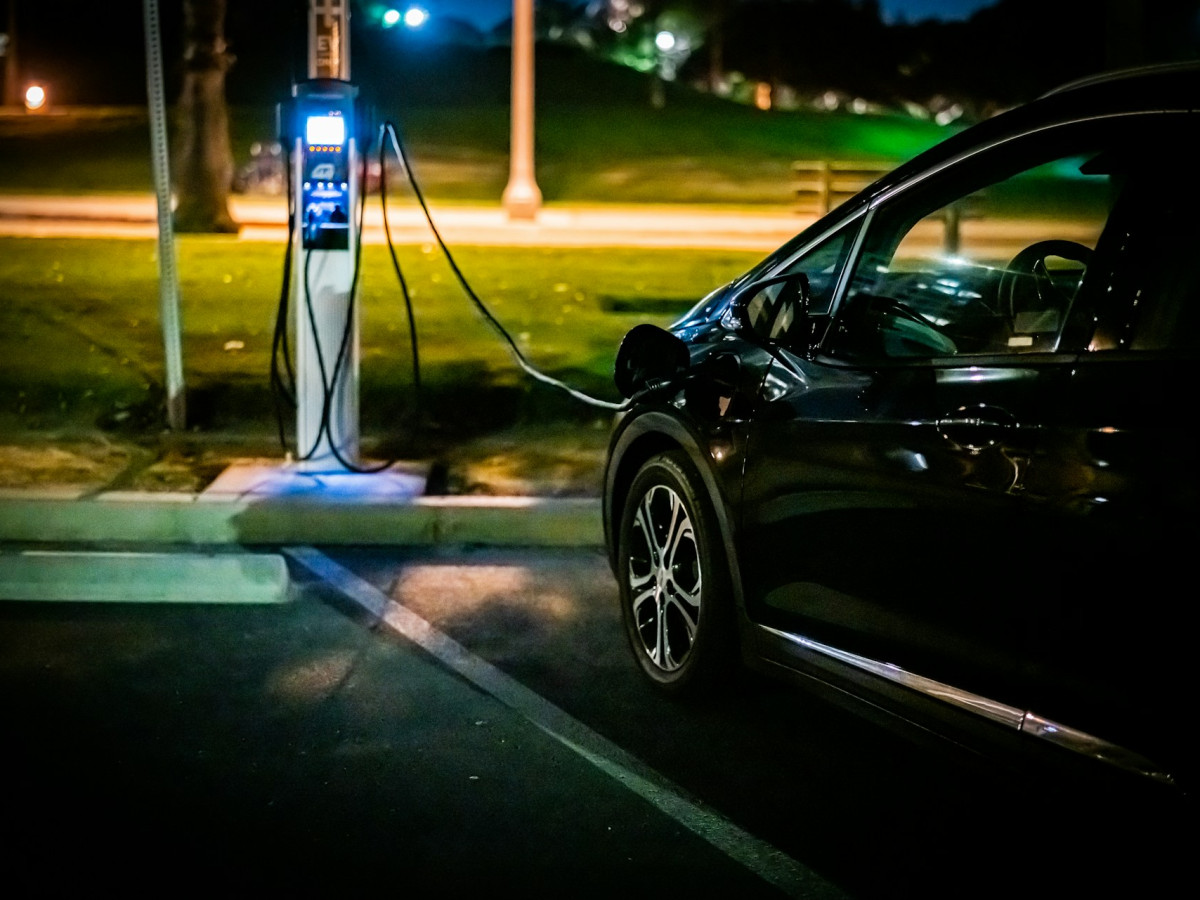
Electrification offers numerous benefits that can help the EU navigate the current energy crisis. First and foremost, it promotes the use of renewable energy sources such as wind, solar, and hydroelectric power. These sources are abundant within Europe and can be harnessed to produce clean electricity, thus reducing carbon emissions and combating climate change. Furthermore, the transition to electric vehicles (EVs) and the electrification of heating systems can lead to a decrease in fossil fuel consumption, ultimately lowering greenhouse gas emissions.
To fully realize the potential of electrification, significant investment in infrastructure is essential. The EU has recognized the need for a robust electrical grid that can accommodate the growing demand for electricity and integrate various renewable energy sources efficiently. This includes upgrading existing transmission lines, expanding distribution networks, and investing in smart grid technologies that enhance energy efficiency. The EU is also focusing on improving energy storage solutions to ensure the reliability of supply during peak demand periods.
In response to the energy crisis, the EU has initiated several policy measures to support electrification efforts. The European Green Deal, which aims to make Europe the first climate-neutral continent by 2050, includes a range of actions to promote electrification. These initiatives include financial incentives for renewable energy projects, stricter emissions regulations for vehicles, and funding for research and innovation in clean technologies. The EU is also encouraging member states to develop national plans that align with these overarching goals, ensuring a coordinated approach to electrification across the continent.
Despite the numerous benefits associated with electrification, several challenges need to be addressed. One of the primary hurdles is the intermittency of renewable energy sources, which can lead to supply fluctuations. To combat this issue, the EU must invest in advanced energy storage technologies and demand-side management strategies that can help balance supply and demand. Additionally, the transition to a more electrified system requires a skilled workforce capable of supporting the new technologies and infrastructure, highlighting the need for training and education initiatives.
Consumers play a pivotal role in the electrification process. As the EU pushes for greater adoption of electric vehicles and energy-efficient appliances, public awareness and engagement are crucial. Consumers need to understand the benefits of electrification, not only for the environment but also for their own energy bills. Incentives such as subsidies for EV purchases and energy-efficient home renovations can motivate households to make the switch. The EU is actively working on campaigns to educate the public about the advantages of electrification and to encourage sustainable energy practices.
As Europe grapples with the realities of the energy crisis, the push for electrification is likely to gain momentum. The IEA's assessment underscores the importance of this transition in ensuring energy security and achieving climate goals. By prioritizing electrification, the EU can not only tackle immediate energy challenges but also lay the groundwork for a sustainable and resilient energy future. With the right investments, policies, and consumer engagement, Europe can emerge stronger from this crisis and set a global example in the fight against climate change.
The energy crisis has acted as a catalyst for the EU's electrification efforts, highlighting the urgent need for a transition to a more sustainable energy model. By embracing electrification, Europe can enhance its energy security, reduce emissions, and foster economic competitiveness. As the EU moves forward, the commitment to electrification will be instrumental in shaping a greener, cleaner future for generations to come.

Loading more news...
You've reached the end of our news feed. Check back later for more updates!