
Science
Henri Kagan wins Nobel Prize at 95: Check out his contributions to chemistry and pharmacy
October 9, 2026
2,834 views
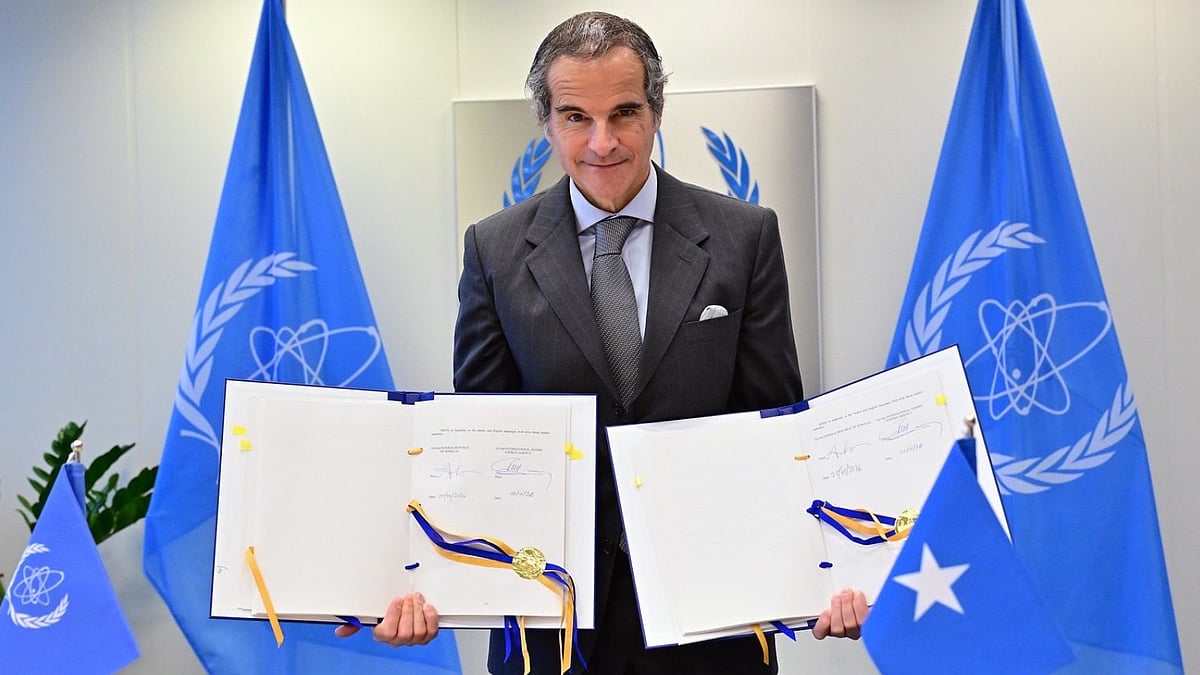
In a significant milestone for India's nuclear energy program, the Prototype Fast Breeder Reactor (PFBR) at Kalpakkam, Tamil Nadu, has achieved its first criticality, marking a transformative moment in the country's pursuit of sustainable energy solutions. The Director-General of the International Atomic Energy Agency (IAEA), Rafael Grossi, has lauded this achievement as a pivotal step towards enhancing fuel sustainability and advancing the future of nuclear energy. With the global community increasingly focused on clean and sustainable energy sources, India's progress in nuclear technology is garnering attention and admiration on an international scale.
Fast breeder reactors represent an advanced technology in the realm of nuclear energy. Unlike traditional thermal reactors, which use slow neutrons to sustain a nuclear reaction, fast breeder reactors utilize fast neutrons. This capability allows them to convert non-fissile isotopes, such as Uranium-238, into fissile materials like Plutonium-239, effectively "breeding" fuel as they operate. This technology not only enhances the efficiency of nuclear fuel usage but also significantly extends the fuel supply for future generations.
The achievement of criticality is a fundamental milestone in the commissioning of any nuclear reactor. It signifies that the reactor has reached a self-sustaining nuclear chain reaction, a necessary condition for the reactor to produce energy. For the PFBR, this milestone not only demonstrates the technical capabilities of Indian scientists and engineers but also reinforces the country's commitment to advancing nuclear technology as a safe and reliable energy source.
Rafael Grossi emphasized that the successful operation of the PFBR aligns with the IAEA's goals of promoting sustainable nuclear energy as a means to combat climate change. The international community is increasingly recognizing the importance of nuclear energy in achieving net-zero emissions targets, and India's advancements in this field could serve as a model for other nations seeking to harness nuclear power responsibly.
As countries around the world grapple with the dual challenges of energy security and climate change, India's strides in nuclear technology are particularly relevant. The PFBR's successful operation could potentially inspire other nations to explore similar pathways in their energy strategies. By demonstrating the feasibility of fast breeder reactors, India is positioning itself as a leader in the global nuclear landscape.
Despite the positive reception of the PFBR's achievements, India faces several challenges in its nuclear energy sector. Public perception of nuclear safety remains a crucial factor in shaping the future of nuclear power in the country. Following historical incidents such as the Fukushima disaster, there is a heightened level of scrutiny regarding the safety protocols and regulations governing nuclear facilities.
Additionally, the development of a robust regulatory framework and the establishment of a comprehensive waste management strategy are imperative for the long-term sustainability of nuclear energy in India. Ensuring that these challenges are addressed will be essential in maintaining public trust and securing the future of nuclear power as a reliable energy source.
The successful criticality of the PFBR is just the beginning of a new chapter in India's nuclear journey. The country aims to increase its nuclear power capacity significantly in the coming decades, with plans to commission additional reactors and explore advanced technologies such as small modular reactors (SMRs). These initiatives align with India's broader energy policy goals, which prioritize sustainable development and environmental conservation.
In conclusion, the achievement of first criticality by India's Prototype Fast Breeder Reactor is a landmark event that holds significant implications for the future of nuclear energy both domestically and globally. Under the guidance of international bodies like the IAEA, India's advancements in nuclear technology are setting a precedent for sustainable energy solutions. As the world continues to navigate the complexities of energy production and climate change, India's journey with the PFBR exemplifies the potential of innovation and collaboration in building a sustainable energy future.


Loading more news...
You've reached the end of our news feed. Check back later for more updates!