
Business
‘Grief Burns Like Fever’: This novel is a flashback of depravity during the surreal pandemic years
October 10, 2026
3,447 views
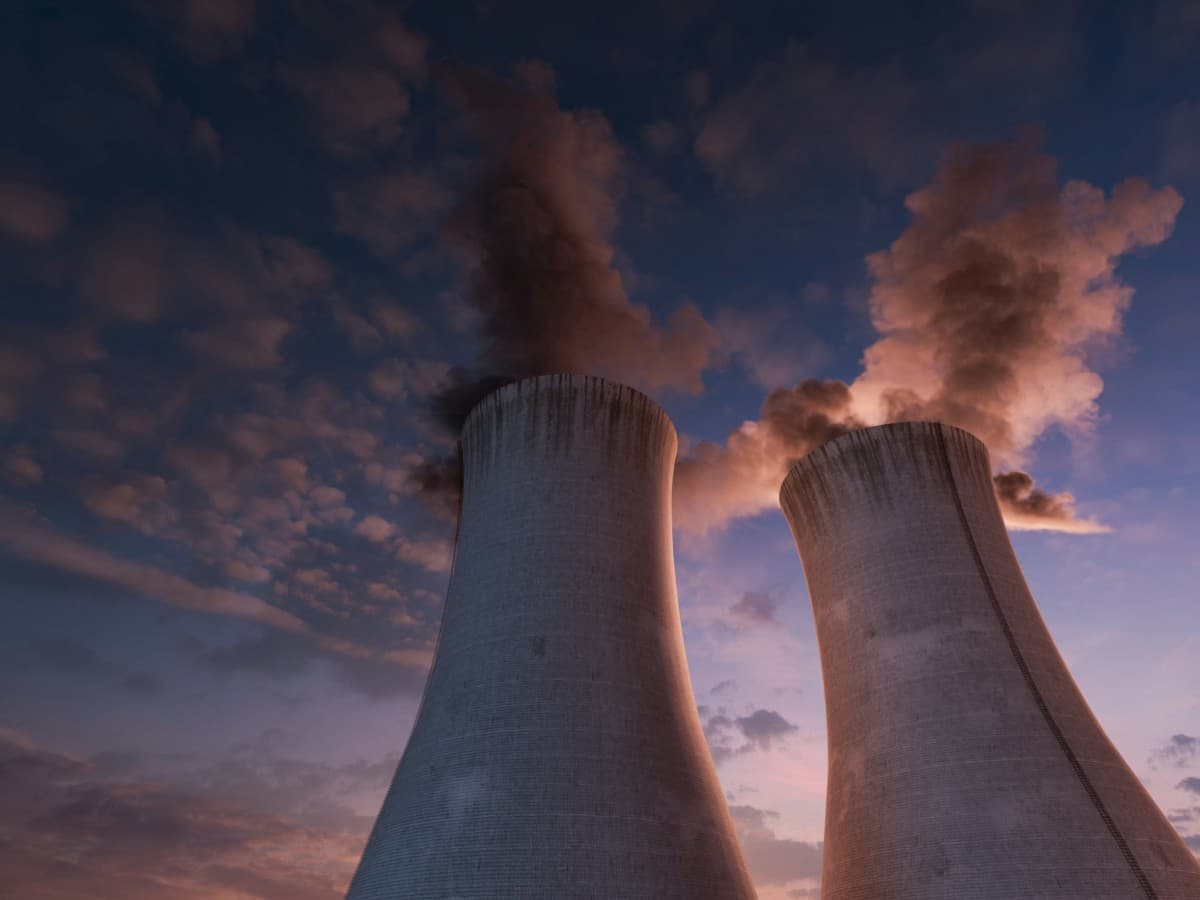
India has reached a significant milestone in its nuclear energy program with the successful operation of its state-of-the-art fast breeder reactor, marking a pivotal advancement for the clean energy transition in the world's most populous country. Earlier this month, the country’s most advanced nuclear reactor achieved criticality, indicating that the nuclear chain reaction powering the plant is now self-sustaining. This momentous breakthrough not only highlights India's commitment to enhancing its energy security but also promises a significant reduction in the country's reliance on imported uranium to fuel its nuclear program.
With the achievement of criticality, India is setting the stage for a revolutionary change in how it approaches nuclear energy. Traditionally, India has relied heavily on uranium imports to sustain its nuclear reactors. However, this new fast breeder reactor is designed to use a mix of uranium and thorium, which is abundant in India. This capability could potentially allow the country to harness its vast thorium reserves, positioning India as a leader in sustainable nuclear energy production.
Fast breeder reactors (FBRs) are a type of nuclear reactor that can generate more fissile material than they consume. This characteristic is particularly advantageous for countries like India, which have limited access to natural uranium but are rich in thorium. The successful operation of FBRs can lead to a sustainable and virtually limitless source of energy, as thorium is three to four times more abundant than uranium in the Earth's crust.
The criticality achieved by India’s latest FBR marks a significant technological achievement, showcasing the country’s growing expertise in nuclear technology. This innovation not only has the potential to transform India’s energy landscape but also to provide valuable lessons for other nations pursuing similar energy strategies. The successful implementation of FBR technology could pave the way for a new era of nuclear energy that is cleaner and more sustainable.
The implications of India’s nuclear advancements extend beyond energy independence. As the world grapples with the challenges of climate change and the urgent need to transition to cleaner energy sources, nuclear power offers a viable solution. Unlike fossil fuels, nuclear energy produces minimal greenhouse gas emissions, making it an essential component of any comprehensive strategy aimed at reducing carbon footprints globally.
India’s commitment to expanding its nuclear energy capabilities aligns with its broader climate goals. By increasing its reliance on nuclear power, India can significantly reduce its carbon emissions while simultaneously meeting the growing energy demands of its population. This transition is crucial as India seeks to balance economic growth with environmental sustainability.
While the achievements in India’s nuclear energy program are commendable, challenges remain. The development of nuclear infrastructure requires substantial investment and time. Additionally, public perception of nuclear energy, often influenced by past incidents and safety concerns, poses a significant hurdle that must be addressed through transparent communication and engagement with communities.
Furthermore, as India embarks on this ambitious nuclear journey, it must also navigate international regulations and ensure compliance with safety standards. The complexity of nuclear technology necessitates a robust framework for safety and risk management, which is critical in fostering public trust and ensuring the long-term success of the program.
The successful operation of India's fast breeder reactor is a testament to the country's resolve to lead in the nuclear energy sector. As the world shifts towards cleaner energy solutions, India stands poised to play a significant role in this transition. The integration of advanced nuclear technology, particularly the use of thorium, could redefine energy production in India, making it a model for sustainable energy practices globally.
Looking ahead, India's nuclear energy program is set to expand, with plans for more reactors and advancements in technology. This momentum presents opportunities for innovation, job creation, and energy security, positioning India as a crucial player in the global energy market.


Loading more news...
You've reached the end of our news feed. Check back later for more updates!