
Politics
धरना-प्रदर्शनों का नया कारोबार: लोकतंत्र की आड़ में आखिर किसके हित साधे जा रहे हैं?
October 10, 2026
1,612 views
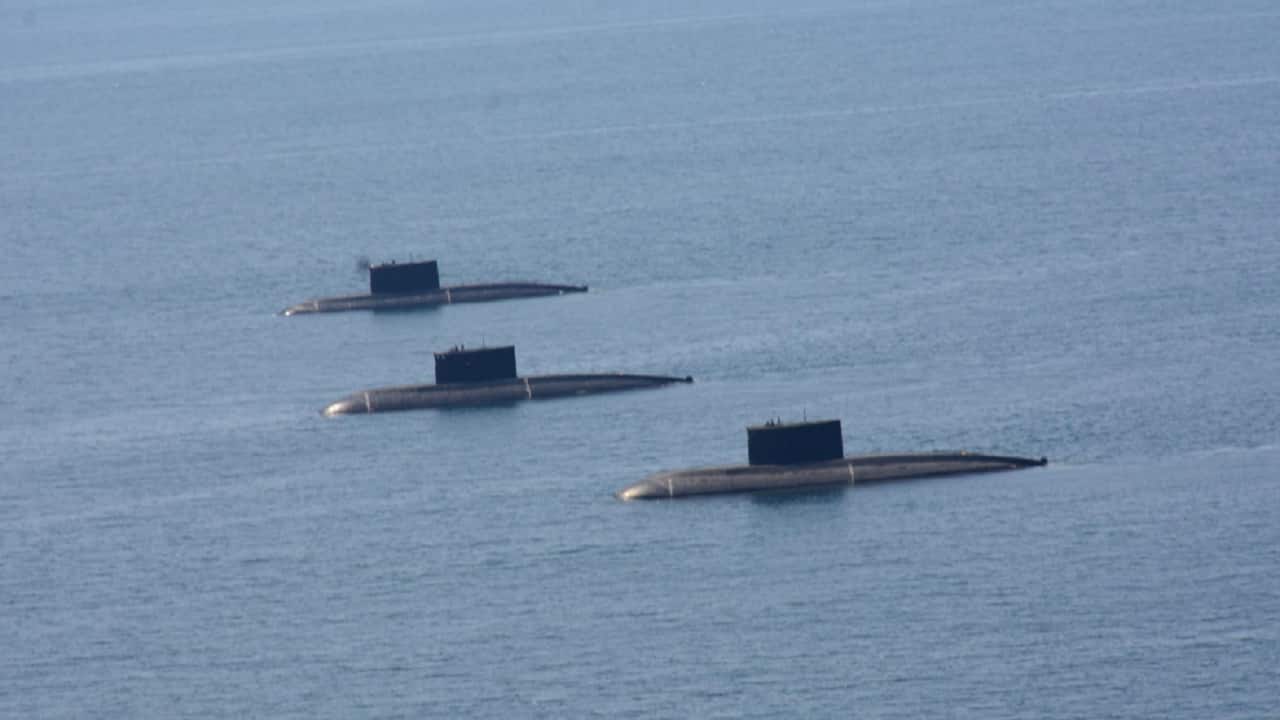
In a significant leap towards bolstering its naval capabilities, India has entered into a monumental agreement with Germany for the construction of six advanced submarines. The deal, valued at Rs 90,000 crore, is expected to enhance India's maritime strength and strategic autonomy. This partnership underscores the growing defense ties between India and Germany and reflects India's commitment to indigenization in defense manufacturing.
During his visit to Germany, Indian Defence Minister Rajnath Singh is set to engage in crucial discussions with his counterpart, German Defence Minister Boris Pistorius, along with several senior leaders in the German government. These talks aim to solidify the framework of the submarine deal and explore further avenues for collaboration in defense technology and manufacturing.
The agreement represents a pivotal moment in Indo-German relations, particularly in the defense sector. Over the years, India has been striving to reduce its dependency on foreign arms imports, and this deal is a step towards achieving that goal. The submarines, which will be manufactured at Mazagon Dock Shipbuilders in Mumbai, are expected to incorporate cutting-edge technology, enhancing India’s underwater warfare capabilities.
The six submarines will be part of India's Project 75, which aims to modernize the Indian Navy's fleet. These submarines will likely feature advanced stealth technology, superior combat systems, and the capability to launch various weapons, including missiles. The project is not only a significant boost to India's naval power but also an opportunity for Mazagon Dock to showcase its manufacturing prowess on an international platform.
This landmark deal is poised to create numerous job opportunities in India, particularly in the defense manufacturing sector. It aligns with the Indian government's 'Make in India' initiative, which emphasizes self-reliance in defense production. By investing in domestic capabilities, India aims to not only build a robust defense infrastructure but also stimulate economic growth and innovation.
While the deal is promising, several challenges lie ahead. The complexity of submarine manufacturing requires a skilled workforce, advanced technology, and substantial investment in research and development. Additionally, ensuring timely delivery and maintaining quality standards will be critical for the success of this project. The collaboration with Germany is expected to provide India with the necessary expertise to overcome these challenges.
Looking ahead, this agreement could pave the way for further defense collaborations between India and Germany. Both nations have expressed a keen interest in strengthening their defense partnership, which could encompass joint exercises, technology transfer, and co-production of defense equipment. As geopolitical dynamics evolve, such collaborations will be crucial for maintaining regional security and stability.
The Rs 90,000 crore deal between India and Germany for the construction of six submarines at Mazagon Dock marks a significant milestone in India's defense journey. It highlights India's commitment to enhancing its naval capabilities while fostering international partnerships in defense manufacturing. As the discussions unfold and the project takes shape, it will be essential to monitor the progress and impact of this collaboration on India's defense landscape.
The successful execution of this project could not only transform India's naval fleet but also establish the country as a formidable player in the global defense manufacturing arena. With the right approach and commitment, India is set to achieve new heights in self-reliance and strategic defense capabilities.


Loading more news...
You've reached the end of our news feed. Check back later for more updates!