
Business
Invetech & MeMed win 2026 Good Design Award Gold for MeMed Key™
October 9, 2026
2,539 views
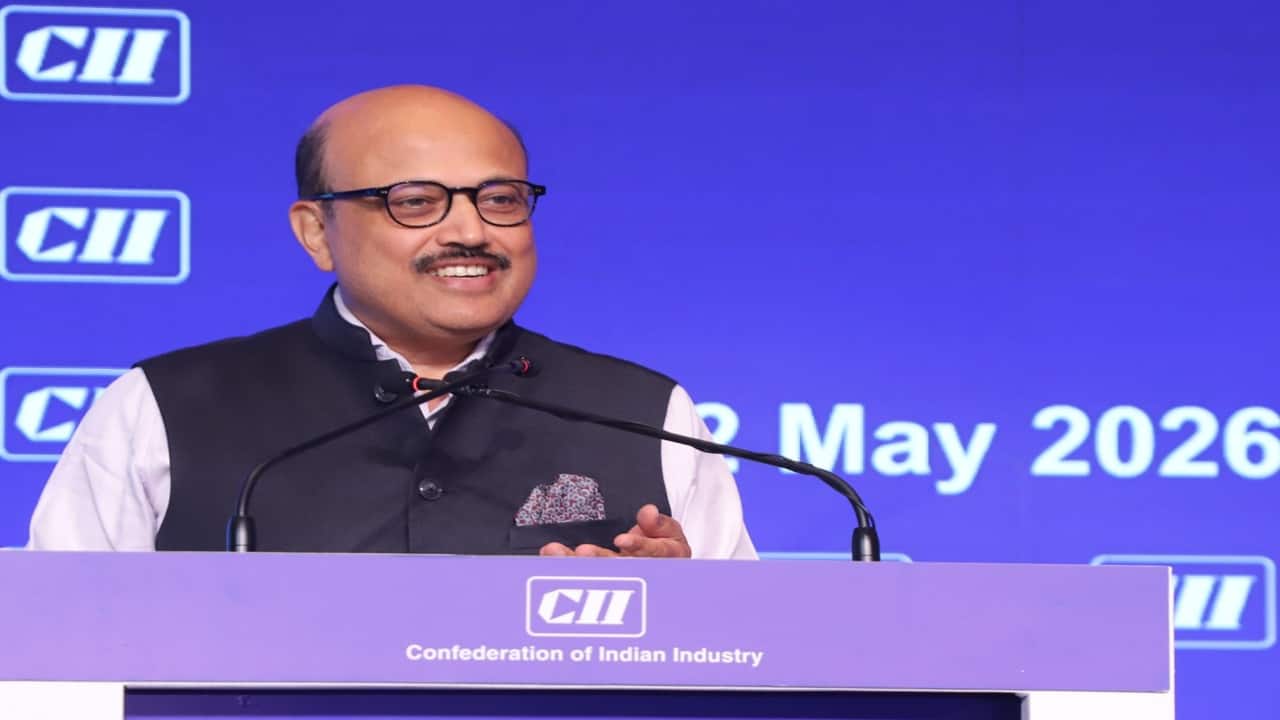
In a significant development for India's economy, Rajesh Agrawal, a prominent figure in the business community, has expressed optimism regarding the recent trade agreement between India and the United Kingdom. Agrawal emphasized that this trade deal is set to provide a substantial boost to India's labour-intensive sectors, which include textiles, agriculture, and manufacturing. He highlighted that the agreement is designed to strengthen the economic ties between the two nations by removing high import duties that have historically hindered trade.
The trade deal aims to facilitate smoother trade relations between India and the UK, enabling both countries to leverage their respective strengths. Agrawal pointed out that the agreement is particularly beneficial for sectors where India has a competitive edge, such as textiles, handicrafts, and agriculture. By lowering or eliminating tariffs, Indian exporters can access the UK market more easily, making their products more affordable to British consumers.
Furthermore, Agrawal noted that the removal of these high import duties would not only enhance the competitiveness of Indian goods in the UK market but would also lead to increased job opportunities in India. As demand for labour-intensive products rises, more jobs will be created in sectors that rely heavily on manpower.
Experts predict that this trade deal could lead to a significant increase in India's exports to the UK, which has been a key trading partner for many years. The potential for growth in the agriculture and manufacturing sectors is particularly notable, as these industries are crucial for India's economic development. The deal is expected to stimulate investment in these areas, fostering innovation and enhancing productivity.
Moreover, as UK consumers become more aware of India's rich cultural heritage and diverse product offerings, there is potential for Indian goods to gain popularity. This could result in Indian businesses expanding their operations and investing in technology to meet the growing demand in the UK market.
While the trade agreement presents numerous opportunities, Agrawal cautioned that challenges remain. For instance, Indian businesses will need to ensure that they comply with UK standards and regulations, which could require investment in quality control and compliance measures. Additionally, competition from other countries that export similar products to the UK could pose a threat to Indian exporters.
Agrawal urged Indian businesses to focus on enhancing their product quality and adopting sustainable practices to meet the evolving preferences of UK consumers. By embracing innovation and sustainability, Indian exporters can differentiate themselves in a competitive market.
Rajesh Agrawal's vision for the future of India's labour-intensive sectors in light of the UK trade deal is one of optimism. He believes that with the right strategies in place, Indian businesses can thrive in the global market. The agreement not only opens doors for increased trade but also fosters a spirit of collaboration between India and the UK, paving the way for future agreements that could further strengthen economic ties.
In conclusion, the recent trade deal between India and the UK stands to benefit India's labour-intensive sectors immensely. By removing high import duties, the agreement not only enhances trade but also creates opportunities for job growth and economic development. As both nations work together to navigate the changing global landscape, the potential for mutual growth and prosperity is significant.


Loading more news...
You've reached the end of our news feed. Check back later for more updates!