
Business
‘Grief Burns Like Fever’: This novel is a flashback of depravity during the surreal pandemic years
October 10, 2026
3,447 views
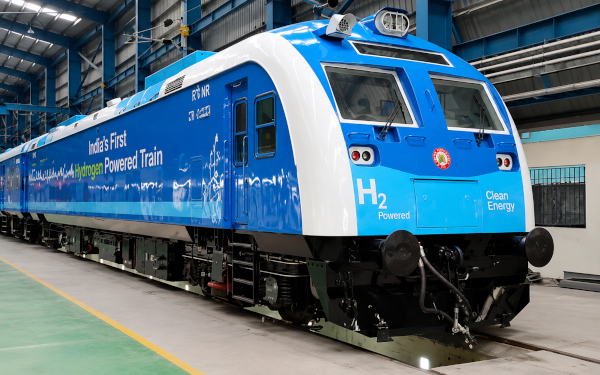
In a groundbreaking move towards sustainable transport, India has unveiled its first hydrogen-powered train, marking a significant milestone in the efforts of Indian Railways to embrace environmentally friendly technologies. This pilot train has been specifically developed for the Jind-Sonipat section of the Northern Railway in Haryana, a region that now boasts dedicated hydrogen production, storage, and refueling infrastructure. This innovative initiative not only symbolizes a shift towards greener rail transport but also positions India as a pioneer in the adoption of hydrogen technology in the railway sector.
The introduction of the hydrogen train signifies a monumental step away from traditional diesel locomotives, which have been the backbone of Indian railways for decades. Conventional trains release significant amounts of carbon emissions and other pollutants, contributing to environmental degradation and climate change. In contrast, the hydrogen train operates using hydrogen fuel cells that convert hydrogen into electricity, generating only water vapor and heat as by-products. This process ensures that there are no harmful emissions released into the atmosphere, effectively making it a zero-emission mode of transport.
The engineering behind the hydrogen train is a blend of cutting-edge technology and sustainable practices. The trainset is equipped with advanced fuel cells that harness hydrogen stored in tanks, converting it into electricity to power the train's electric motors. This not only enhances efficiency but also significantly reduces operational costs in the long run. Additionally, the train's design incorporates lightweight materials, which further improve energy efficiency and overall performance.
As the world grapples with the urgent need to combat climate change, initiatives like the hydrogen train come at a critical time. The railway sector is one of the largest consumers of diesel fuel in India, and transitioning to hydrogen fuel can significantly reduce the carbon footprint of this sector. Moreover, hydrogen can be produced from renewable energy sources, such as wind and solar, making it a truly sustainable option for the future.
Looking ahead, the success of the pilot hydrogen train in Haryana could pave the way for a nationwide rollout of hydrogen-powered trains. The Indian government has set ambitious targets for reducing greenhouse gas emissions, and the adoption of hydrogen technology in rail transport could play a crucial role in achieving these goals. With plans for further research and development in this area, Indian Railways is poised to lead the charge towards a cleaner, greener future.
While the launch of the hydrogen train is undoubtedly a major achievement, several challenges remain to be addressed. One of the primary concerns is the production of hydrogen itself. Currently, much of the hydrogen used in fuel cells is produced from natural gas, which still emits carbon. To truly realize the potential of hydrogen as a clean fuel, it is essential to develop methods for producing hydrogen through electrolysis using renewable energy sources.
Moreover, the infrastructure for hydrogen production, storage, and distribution needs to be expanded significantly to support a larger fleet of hydrogen trains. Investments in technology and training for personnel will also be crucial to ensure the successful operation of these trains.
The introduction of India’s first hydrogen train is a testament to the potential of innovative technologies to drive sustainable change in the transportation sector. As cities grow and the demand for public transport increases, the need for clean and efficient modes of transport has never been more pressing. Indian Railways is setting a precedent for other sectors to follow, demonstrating that sustainability and technological advancement can go hand in hand.


Loading more news...
You've reached the end of our news feed. Check back later for more updates!